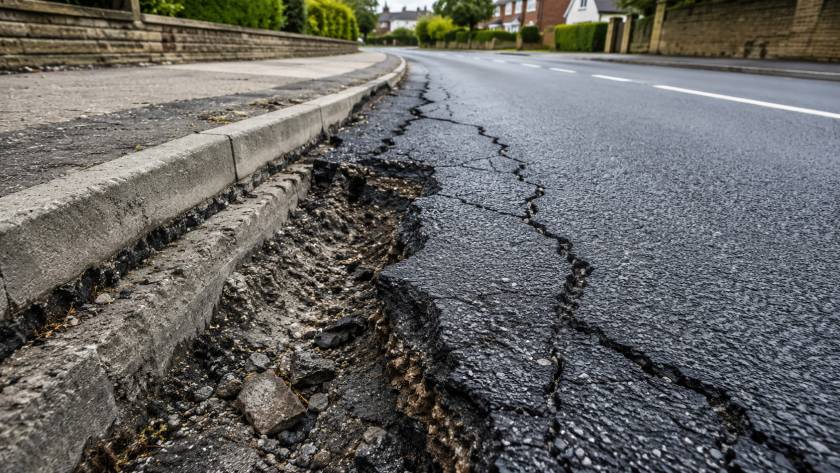
Edge restraints are one of the most overlooked parts of a road construction project, yet they play a major role in the long-term durability of the finished surface. In many cases, early cracking and deterioration are not caused by the surface material itself but by poor structural support at the road edges. Without effective restraint,…
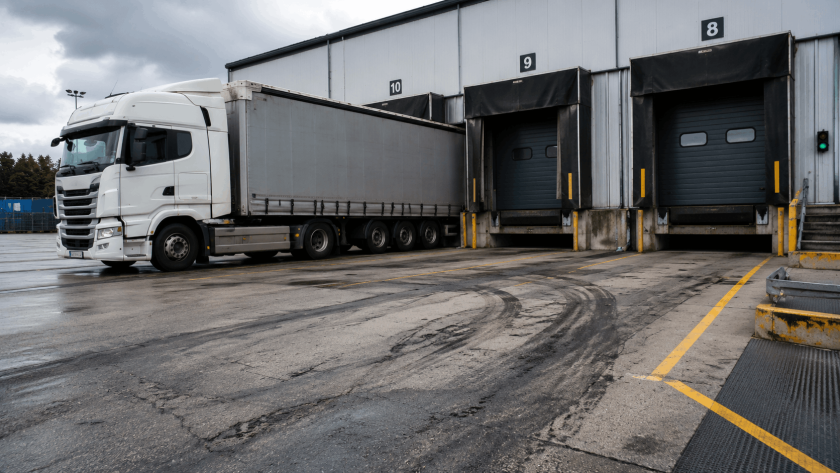
Loading bays are often the first areas of a commercial car park to show signs of deterioration. While the rest of the surface may remain relatively stable for years, loading zones frequently develop cracking, rutting, depressions, and surface fatigue much earlier. This is not simply due to age. It is usually the result of concentrated…
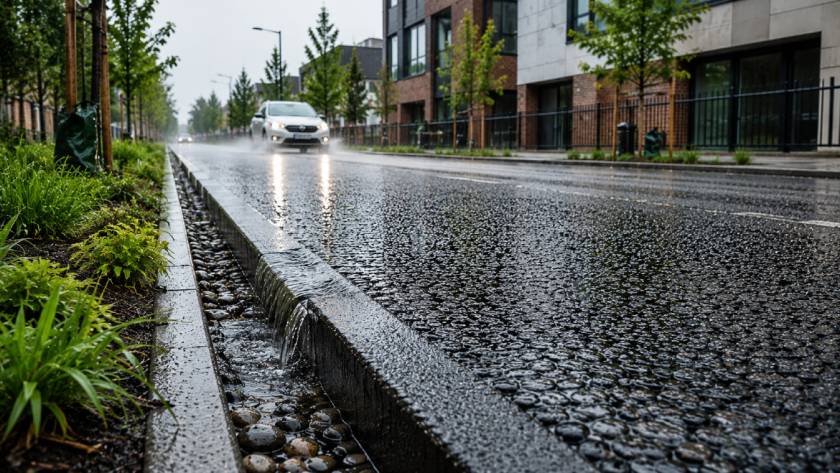
Flooding has become an increasingly common issue across the UK, affecting roads, car parks, commercial premises, residential developments, and access routes. Heavier rainfall events, ageing drainage systems, and expanding urban development have all placed additional pressure on traditional surfacing methods. In many areas, roads and paved surfaces were originally designed for lower traffic volumes and…
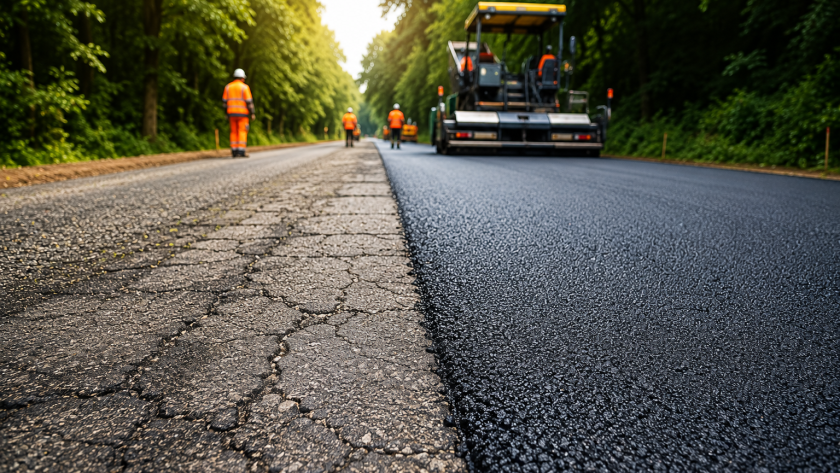
A worn asphalt road does not always need to be removed and replaced. Surface fading, slight brittleness and early signs of ageing may sometimes be managed with a rejuvenation treatment, while cracking, deformation and structural deterioration usually indicate that resurfacing is the more suitable route. For property owners and commercial site managers, the important question…
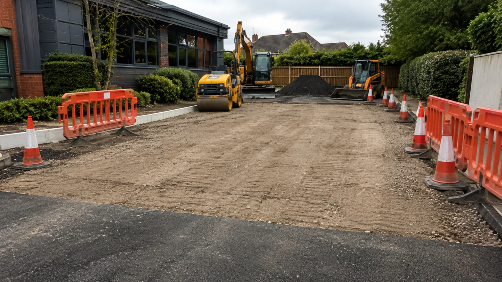
Preparing your property properly before a surfacing contractor arrives can make a significant difference to the efficiency, safety, and final quality of the work. Whether you are arranging a new driveway, resurfacing a commercial access road, repairing a worn yard, or upgrading a shared entrance, the condition of the site before the first machine arrives…
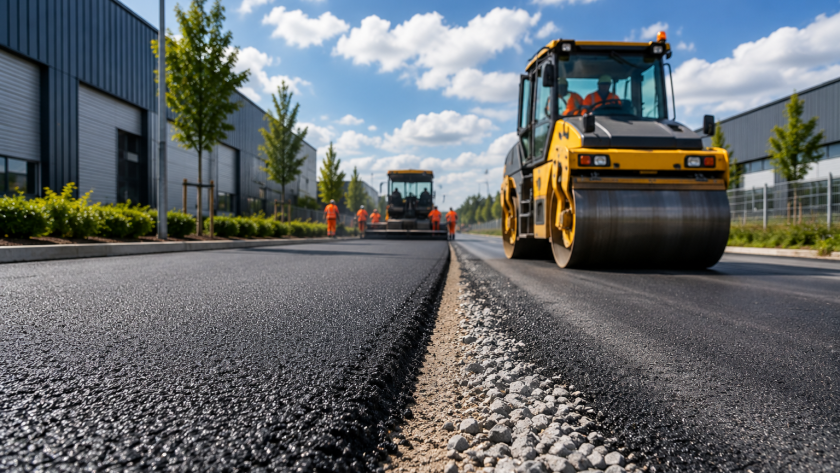
High-traffic roads need more than a neat surface finish. Whether the area serves a commercial estate, industrial yard, retail park, private access road or busy residential development, the surface has to cope with repeated vehicle movement, changing weather, turning forces, standing loads and water exposure. A road that looks suitable on the day it is…
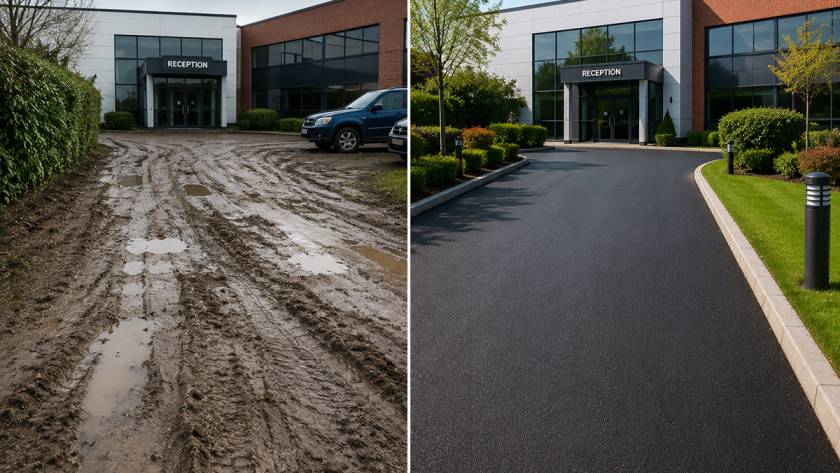
The entrance to a property or commercial site is often judged before anyone reaches the front door, reception area, loading bay, or car park. A muddy, uneven, or poorly drained entrance can make an otherwise well-managed site appear neglected. For residential properties, it can affect kerb appeal and daily convenience. For commercial premises, farms, industrial…
A poor surface rarely reduces property value overnight. In most cases, it happens gradually. Small cracks, uneven patches, potholes, standing water and worn edges become part of the background until they begin to influence how people see, use and assess the property. For homeowners, landlords, commercial site managers and estate owners, the condition of external…
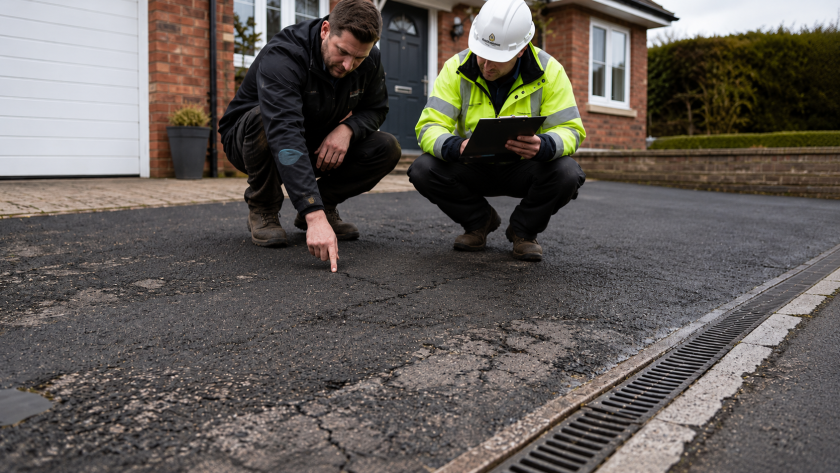
Resurfacing a driveway, private road, car park, service yard, or commercial access route is a significant investment. A new surface can improve safety, appearance, drainage, access, and long-term usability, but the quality of the final result depends heavily on what is checked before work begins. Many surface problems are not caused by the visible layer…
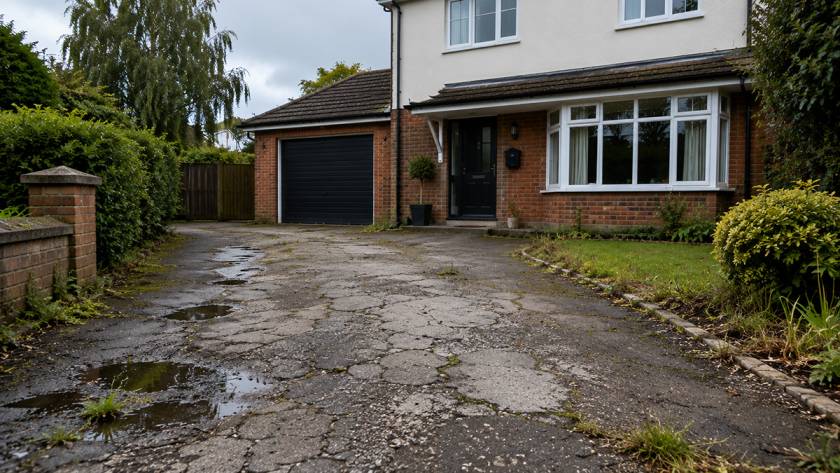
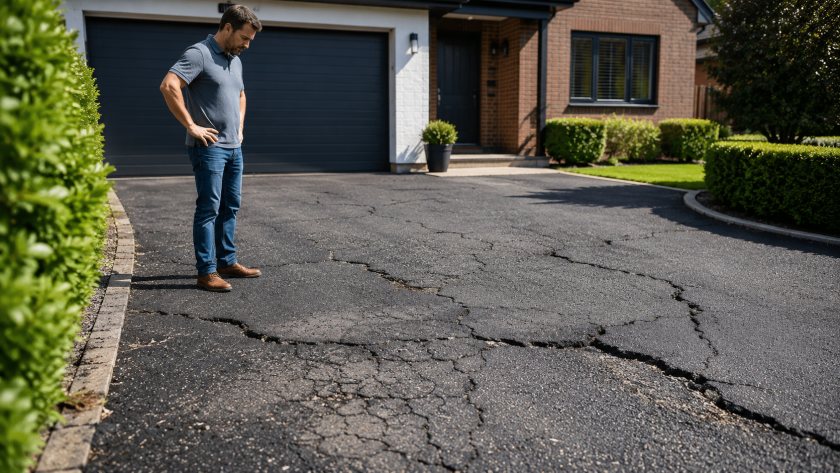
Driveway cracks are easy to dismiss when they first appear. A narrow line across the surface may seem like a cosmetic issue rather than a warning sign, especially if the driveway is still usable. However, cracks often reveal more about what is happening beneath the surface than many property owners realise. They can point to…
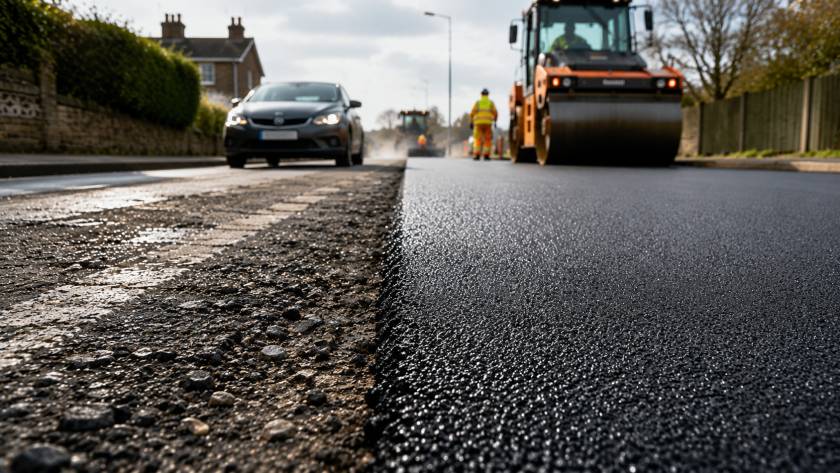
Most people notice a smooth road immediately, even if they do not think about the engineering behind it. A well-finished road feels quiet, stable and comfortable under vehicles. Steering feels more controlled, tyres create less vibration, and the surface appears consistent from one section to the next. On commercial sites, private roads, business parks and…
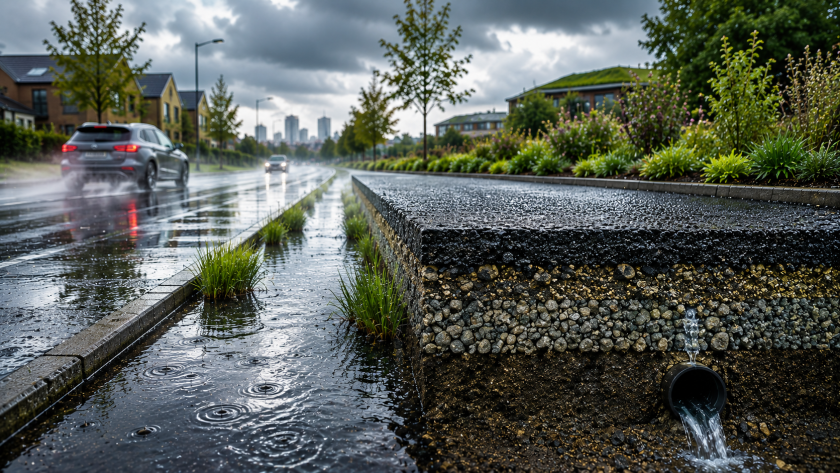
Flooding has become a growing concern for property owners, commercial site managers, local authorities, landlords and developers across the UK. Heavier rainfall, ageing drainage systems and increased hardstanding areas have all placed more pressure on roads, car parks, yards and access routes. In the past, road surfacing was often viewed mainly as a way to…