Preparing your property properly before a surfacing contractor arrives can make a significant difference to the efficiency, safety, and final quality of the work. Whether you are arranging a new driveway, resurfacing a commercial access road, repairing a worn yard, or upgrading a shared entrance, the condition of the site before the first machine arrives affects how smoothly the project can begin.
For UK property owners, facilities managers, landlords, and commercial site managers, good preparation is not about doing the contractor’s job in advance. It is about making sure the area is accessible, clear, understood, and ready for professional assessment and installation. A well-prepared site helps reduce delays, protects surrounding areas, and allows the contractor to focus on delivering a durable, neat, and practical surface.
Professional surfacing work involves more than laying tarmac or asphalt. It includes checking levels, understanding drainage, assessing the sub-base, managing vehicle access, and ensuring the finished surface suits the way the property is used. Early preparation helps the contractor identify any potential issues before they become costly interruptions.
Understanding the Area Being Surfaced
Before a surfacing contractor visits or begins work, it is useful to have a clear understanding of the area involved. This does not need to be technical, but it should include the basic purpose of the surface, the type of traffic it handles, and any current problems you have noticed.
A residential driveway may need to accommodate family cars, delivery vehicles, turning space, and pedestrian access. A commercial yard may need to support vans, forklifts, skips, refuse vehicles, or occasional heavy goods traffic. A private access road may need to deal with shared use, drainage across a long run, or awkward turning areas. Each of these situations affects how the contractor approaches the specification and preparation.
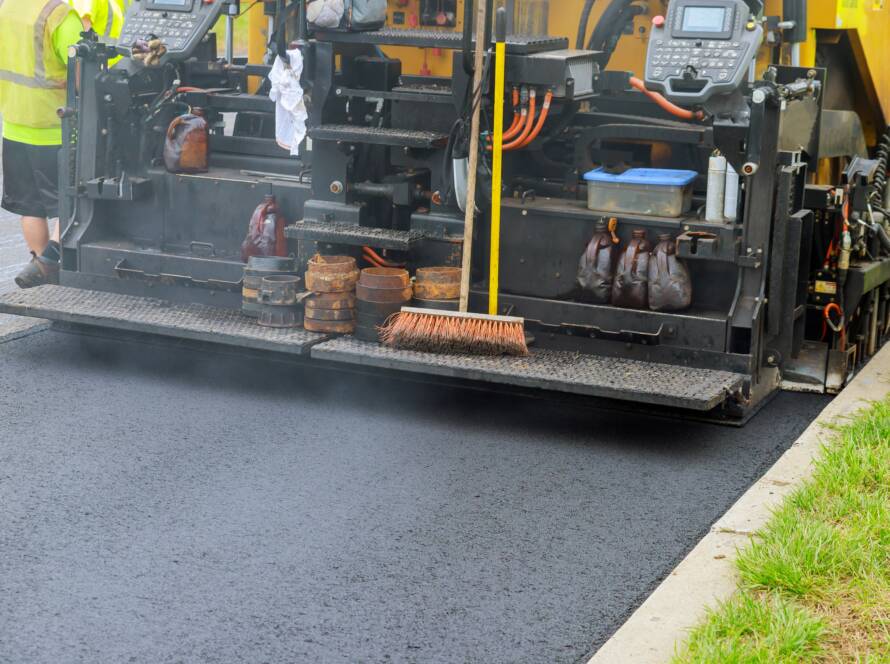
The more accurately you can explain how the area is used, the easier it is for the contractor to recommend the right surfacing solution. For example, a lightly used domestic driveway will usually have different requirements from a business entrance used by frequent delivery vehicles. Where heavier traffic is expected, a contractor may recommend more robust preparation, suitable materials, or a method such as machine lay tarmac to achieve a consistent finish across larger areas.
Clearing the Working Area Before Arrival
One of the most practical steps you can take is to clear the area before the contractor arrives. Vehicles, plant pots, bins, trailers, pallets, storage containers, signage, outdoor furniture, and temporary barriers should be moved wherever possible. Even small items can slow down preparation work if they need to be relocated on the day.
For domestic properties, this may involve moving cars to the road or arranging parking elsewhere for the duration of the works. For commercial sites, it may mean planning temporary loading areas, moving stock, redirecting staff parking, or informing delivery drivers of alternative access routes.
Clearing the working area also gives the contractor a better view of the existing surface condition. Cracking, sinking, failed edges, drainage channels, potholes, and soft areas are easier to identify when the space is unobstructed. This allows the contractor to assess whether localised repair, overlay, or full reconstruction is likely to be needed.
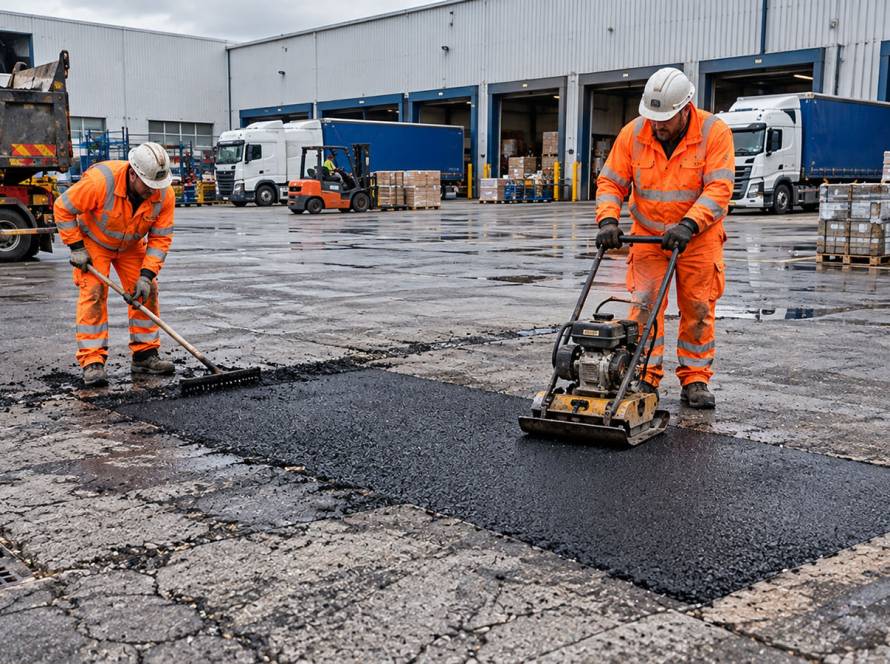
Where there are existing defects, it is important not to cover or disguise them before the contractor arrives. Issues such as potholes, standing water, crumbling edges, or rutting provide useful evidence about what is happening beneath the surface. In some cases, professional pothole repairs may be appropriate before wider resurfacing is considered, particularly where damage is concentrated in isolated areas.
Ensuring Safe and Practical Access
Access is one of the most important considerations before surfacing work begins. Contractors may need to bring in vans, rollers, tarmac lorries, excavators, planers, compactors, and other machinery depending on the scale of the project. If the site is difficult to reach, narrow, gated, shared, or controlled by security, this should be discussed before the start date.
A contractor will need enough room to unload equipment safely and move materials into position. Restricted access can often be managed, but it needs planning. For example, a narrow residential entrance may require smaller machinery, while a busy commercial estate may need phased access arrangements to keep the site operational.
If the property is controlled by gates, barriers, fobs, keypads, or security staff, access arrangements should be confirmed in advance. Delays can occur when a surfacing team arrives with equipment but cannot enter the site quickly. For businesses, it is also sensible to make sure reception staff, security teams, and site supervisors know when works are due to take place.
Where the project involves a commercial entrance, service yard, or internal access route, wider planning may be needed to reduce disruption. A specialist commercial surfacing contractor can usually advise on how to organise works around operational requirements, but advance communication from the property manager is still essential.
Checking Drainage and Water Flow
Drainage is a major part of successful surfacing. Water that cannot drain away properly may lead to puddling, surface breakdown, frost damage, edge failure, and long-term deterioration. Before the contractor arrives, it is helpful to observe where water currently collects after rainfall.
You do not need to solve the drainage issue yourself, but you should make the contractor aware of problem areas. Standing water near door thresholds, garages, loading bays, retaining walls, kerbs, gullies, or low points can all indicate that levels need attention. If the current surface slopes towards a building, that should be highlighted during the initial discussion.
In the UK, surfacing work often has to account for regular rainfall and changeable weather conditions. A good contractor will consider falls, drainage channels, gullies, soakaways, and the relationship between the new surface and surrounding ground levels. However, the most useful information often comes from the people who use the property every day and know where water tends to gather.
For commercial premises, drainage can be especially important around loading areas, entrances, pedestrian routes, and vehicle turning zones. Poor drainage in these locations can create safety concerns as well as damage to the surface itself. Preparing by noting these areas helps the contractor inspect them more closely before work begins.
Identifying Boundaries, Edges, and Sensitive Areas
Before surfacing work starts, it is worth identifying boundaries and sensitive areas around the site. These may include walls, fences, kerbs, inspection covers, drainage covers, utility covers, planted borders, garages, outbuildings, door thresholds, steps, ramps, and neighbouring property lines.
Surfacing work involves machinery, excavation, hot materials, and compaction, so the contractor needs to understand what must be protected. Some features may need temporary protection, while others may influence the finished levels or edge detail. Clear boundaries also help avoid confusion on shared driveways, private lanes, estate roads, or commercial sites with multiple users.
If there are underground services, such as water pipes, electrical ducts, telecoms cables, drainage runs, or gas supplies, these should be raised with the contractor before work begins. Property owners may not always know the exact location of services, but any available drawings, previous survey information, or known inspection chamber locations can be useful.
Edge details are particularly important because weak or unsupported edges can lead to cracking and crumbling over time. Where a new tarmac surface meets gravel, soil, paving, concrete, kerbs, or another road surface, the contractor will need to assess how the joint should be formed. Professional tarmac installation should take these transitions into account so the finished surface performs well rather than simply looking tidy on completion day.
Considering Site Users and Disruption
Good preparation also means thinking about who uses the property and how they will be affected during the works. At a home, this may include family members, visitors, neighbours, delivery drivers, carers, or tradespeople. At a commercial property, it may include staff, tenants, customers, contractors, delivery vehicles, waste collection teams, and emergency access requirements.
Surfacing work may temporarily restrict parking, access, or pedestrian routes. In some cases, the surface may need time before it can be driven on, depending on the material, weather conditions, and contractor advice. Planning around these restrictions helps reduce frustration and keeps people safe.
For businesses, communication is especially important. Staff and regular visitors should know which entrances, parking spaces, or service areas will be unavailable. Where customers or tenants are affected, clear temporary signage may be useful. The contractor can often advise on practical phasing, but the site manager is usually best placed to understand daily movements and operational priorities.
Neighbours should also be considered where works may affect shared access, boundary areas, or on-street parking. Letting nearby residents or businesses know in advance can help prevent disputes and make the work easier to manage.
Reviewing the Existing Surface Condition
Before the contractor starts, take time to look carefully at the current surface. Common warning signs include cracking, loose stones, potholes, sinking, uneven levels, standing water, worn patches, crumbling edges, and areas where previous repairs have failed. These issues can help the contractor understand whether the problem is mainly at surface level or whether deeper preparation may be needed.
A surface that looks tired but remains structurally sound may be suitable for resurfacing, depending on levels and drainage. A surface with repeated cracking, movement, or soft spots may need more extensive preparation. This is why contractors often assess the existing base before recommending a method.
Photographs can be useful, especially if the contractor has not yet visited or if the site changes during bad weather. Images showing puddling after rainfall, heavy vehicle damage, or recurring potholes can support the assessment. However, photographs should not replace a proper site inspection where one is needed.
It is also sensible to think about past work. If the area has been patched several times, resurfaced before, excavated for utilities, or affected by drainage repairs, that history may explain current defects. Sharing this information helps the contractor avoid treating symptoms without understanding the underlying cause.
Preparing for Groundworks and Material Delivery
Surfacing projects often involve more than the visible final layer. Depending on the site, the contractor may need to excavate, regulate levels, install or improve the sub-base, compact materials, adjust ironwork, or form edges. Preparing for this means allowing enough working space and understanding that some disruption is normal.
Material delivery also needs consideration. Tarmac and asphalt materials are time-sensitive and must be handled efficiently once they arrive on site. Lorries need safe access, suitable turning space, and a practical route to the working area. Delays caused by blocked entrances or unclear access arrangements can affect productivity.
On larger sites, there may need to be a designated area for equipment, temporary materials, and removed waste. This should be agreed before work begins so that the contractor does not have to make decisions under pressure on the day. For active commercial premises, this area should be positioned where it does not create unnecessary risk for pedestrians or vehicles.
Where the project is part of a wider refurbishment or construction programme, surfacing should be coordinated with other trades. Drainage works, kerbing, utility installation, landscaping, fencing, and building works should ideally be sequenced so the new surface is not damaged immediately after installation.
Understanding Weather and Timing
Weather can affect surfacing projects, particularly during periods of heavy rain, frost, or very low temperatures. While professional contractors plan around UK weather as much as possible, property owners should understand that conditions may influence the timing of certain tasks.
Preparing your property includes staying flexible where weather could affect safe or effective installation. A contractor may advise delaying certain works if the conditions are unsuitable. This is not usually a sign of poor planning; it is often a sensible decision to protect the quality and lifespan of the finished surface.
Timing also matters in relation to site use. For homes, it may be best to avoid periods when access is essential for moving, deliveries, or planned building work. For commercial properties, quieter trading days, school holidays, shutdown periods, or phased weekend works may reduce disruption. The best timing will depend on the site, the contractor’s availability, and the nature of the work.
A well-prepared client will discuss these practical timing issues before work starts, rather than waiting until the surfacing team is already on site. This helps the contractor plan labour, materials, machinery, and traffic management more effectively.
Confirming the Scope of Work
Before work begins, make sure the scope of the project is clear. This includes the area to be surfaced, the type of finish expected, any preparation included, how drainage will be managed, where edges and joints will be formed, and what access restrictions are likely during the work.
For non-technical property owners, it is not always easy to understand every detail of a surfacing specification. However, you should still feel clear about what is included and what is not. For example, resurfacing may not automatically include drainage repairs, kerb replacement, excavation, or adjustment of all utility covers unless stated.
Clear scope avoids misunderstandings. It also helps compare quotations more accurately. A cheaper price may not always include the same level of preparation, material depth, drainage consideration, or finish quality. Surfacing is highly dependent on what happens beneath the visible surface, so preparation should be treated as a key part of the project rather than an optional extra.
When reviewing the proposed work, it can be helpful to look at the contractor’s previous projects or service information. A company’s surfacing services page can give useful context on the types of work they regularly carry out and whether their experience matches the property’s requirements.
Making the Site Ready on the Day
On the day work begins, the site should be clear, accessible, and ready for the contractor to start safely. Vehicles should be moved, gates unlocked, access contacts available, and any agreed temporary arrangements in place. Pets, children, staff, visitors, and unauthorised personnel should be kept away from the working area.
For commercial sites, a responsible person should be available at the start of the project to confirm the working area, access arrangements, and any site-specific risks. This is especially important where there are moving vehicles, customer areas, shared entrances, or security requirements.
The contractor may carry out final checks before starting, including levels, drainage points, edges, and access routes. If anything has changed since the original survey or quotation, it should be mentioned immediately. Changes such as new utility works, parked vehicles, damaged drainage covers, or restricted access can affect how the job proceeds.
Once the work is underway, it is usually best to allow the contractor to manage the working area without unnecessary interruption. Questions should be directed to the site lead or agreed contact rather than to machinery operators during active work.
Aftercare and Protecting the New Surface
Preparation does not end the moment the surface is laid. Aftercare is also part of achieving a long-lasting result. The contractor should advise when the surface can be walked on, driven on, or returned to normal use. Following this guidance helps avoid early marking, scuffing, or damage.
Newly laid surfaces can be vulnerable to sharp turning, heavy static loads, skips, jacks, stands, and dragging objects, especially in the early period after installation. On commercial sites, it may be necessary to control vehicle movements until the surface is ready for full use. At domestic properties, drivers should avoid turning steering wheels while stationary if advised by the contractor.
Drainage should also be observed after completion. After the first periods of rainfall, check that water is moving as expected and not collecting in unexpected areas. Small observations made early can help identify whether any adjustment or further advice is needed.
Keeping the area clean can also help protect the surface. Oil spills, fuel, loose debris, weeds at the edges, and blocked drainage channels can all affect appearance and performance over time. A properly installed surface is designed to be durable, but regular care helps preserve it.
Why Preparation Supports a Better Surfacing Result
Preparing your property for a surfacing contractor is mainly about reducing uncertainty. A clear site, good access, known drainage issues, visible boundaries, and practical communication all help the contractor work efficiently and make informed decisions. The result is usually a smoother project and a surface better suited to the property’s long-term needs.
For property owners and site managers, the most important preparation is practical rather than technical. Clear the area, understand how the surface is used, identify known problems, communicate access requirements, and make sure everyone affected knows what to expect. These steps support the contractor’s work and reduce the risk of avoidable delays.
Surfacing is a long-term investment in access, safety, appearance, and usability. Whether the project involves a driveway, private lane, commercial yard, or access road, preparation plays a direct role in the final outcome. When the site is ready and the contractor has the information they need, the work can be carried out with fewer interruptions and a stronger focus on quality.