A worn asphalt road does not always need to be removed and replaced. Surface fading, slight brittleness and early signs of ageing may sometimes be managed with a rejuvenation treatment, while cracking, deformation and structural deterioration usually indicate that resurfacing is the more suitable route. For property owners and commercial site managers, the important question is not simply how tired the road looks, but what is happening beneath the visible surface.
Understanding the difference between asphalt rejuvenation and full resurfacing helps avoid two costly mistakes. The first is resurfacing a road prematurely when its underlying construction is still performing well. The second is applying a surface treatment to a road that has already lost its strength, allowing defects to return quickly and disruption to occur again.
What Is Asphalt Rejuvenation?
Asphalt rejuvenation is a surface preservation treatment intended for roads that are ageing but remain structurally sound. As asphalt is exposed to weather, traffic and ultraviolet light over time, the bitumen binding the aggregate can become drier and more brittle. The surface may lose some of its darker appearance, become slightly porous and show the early stages of fine cracking.
A rejuvenation treatment is designed to restore flexibility to the uppermost part of the asphalt surface and help reduce further oxidation. It can improve the condition of an ageing surface before more serious defects develop. On the right road, this can extend usable life and postpone the need for more substantial works.
Rejuvenation should not be confused with structural repair. It will not correct widespread potholes, rutting caused by weak construction, broken edges or failures in the road base. Its value lies in early intervention, when a road is worn but still fundamentally stable.
What Does Full Resurfacing Involve?
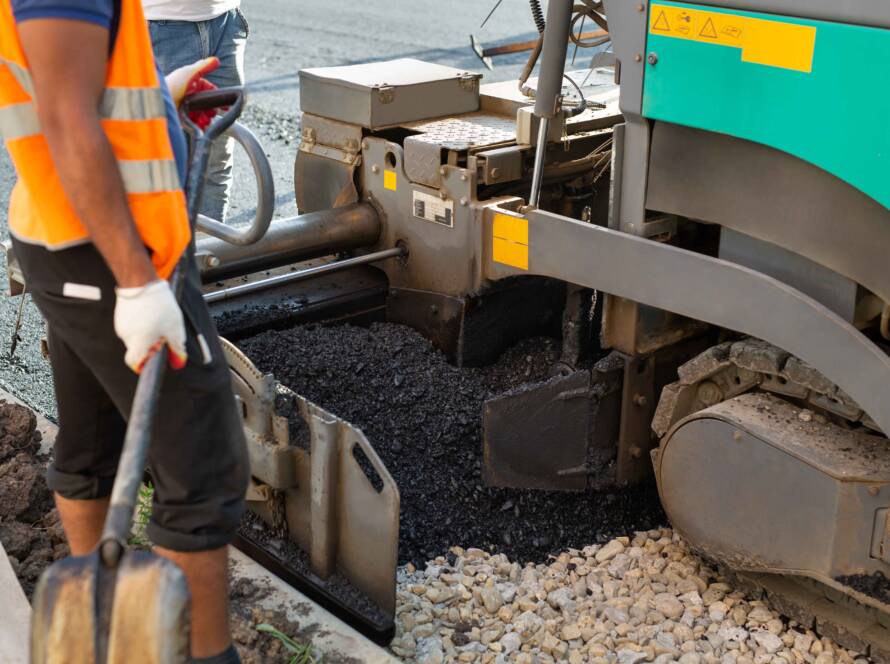
Full resurfacing is a more substantial treatment used when the wearing course has reached the point where preservation alone is no longer sufficient. Depending on the condition of the road, the existing surface may be planed off before a new asphalt or tarmac layer is installed and compacted. Where deeper defects are found, localised or wider repairs may also be needed before the new surface is laid.
A professionally assessed commercial road surfacing project considers traffic type, surface condition, drainage, access requirements and the expected future use of the road before deciding on the appropriate resurfacing depth and specification.
Resurfacing restores a consistent running surface, improves appearance and addresses defects that would continue to worsen if left untreated. For private access roads, service yards, estate roads and commercial approaches, it can also improve safety by providing a smoother, more predictable surface for vehicles and pedestrians.
The Main Difference Is Structural Condition
The difference between asphalt rejuvenation and full resurfacing is not simply the amount of visible wear. It is whether the road still has a sound base and stable surface structure.
A road suitable for rejuvenation may have faded colour, early surface dryness, slight loss of flexibility and fine superficial cracking. Traffic can still pass over it smoothly, there are no significant depressions, and rainwater drains away without highlighting areas of collapse or movement.
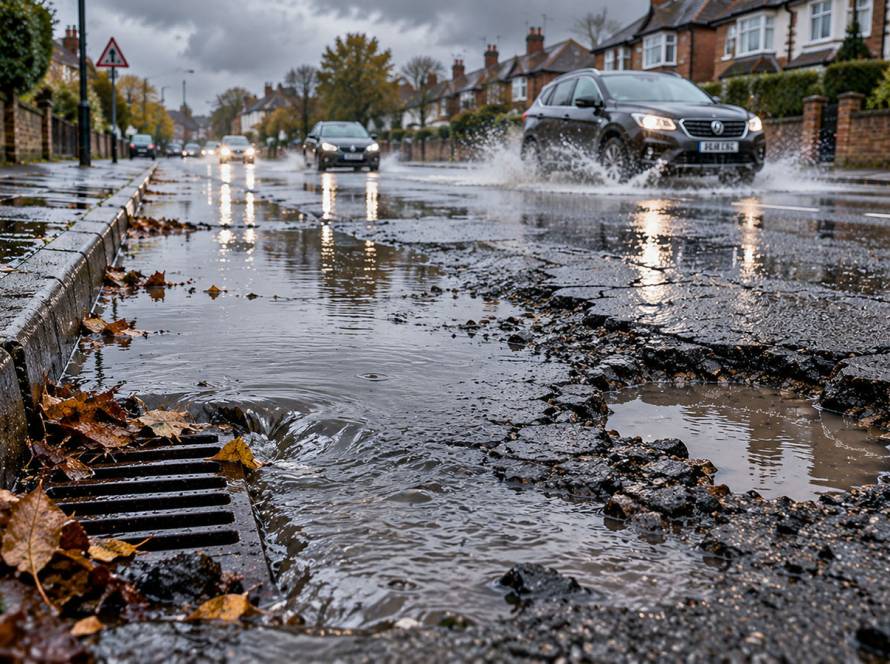
A road requiring resurfacing often tells a different story. There may be repeated potholes, open cracks that allow water penetration, rutting in wheel paths, depressions, fretting aggregate, crumbling edges or previous repairs that are beginning to break down. These are signs that surface preservation is unlikely to deliver reliable long-term results.
Where the surface has become unstable, a suitable tarmac installation and road surfacing service provides a more dependable solution than repeatedly treating symptoms without addressing the worn asphalt layer.
When Asphalt Rejuvenation Can Be Appropriate
Asphalt rejuvenation is most effective when considered as planned maintenance rather than as a reaction to serious failure. A private road or commercial access route that is still level and intact, but clearly beginning to age, may be a suitable candidate.
This approach can be particularly relevant where the owner wants to preserve a good-quality existing surface and reduce the likelihood of premature deterioration. On lower-stress roads or access routes where the construction is in good condition, rejuvenation may help keep the surface serviceable while limiting disruption to residents, staff, deliveries or visitors.
The condition of joints, edges and drainage remains important. Even a generally sound road can deteriorate more quickly where standing water is present or where edges are unsupported. Before selecting rejuvenation, the surface should therefore be assessed for water ingress, drainage performance, cracking depth and any signs of movement beneath the asphalt.
Rejuvenation is not an answer for every cosmetic concern. A surface that has already become loose, heavily patched or distorted may look as though it only needs refreshing, but those signs often reflect more advanced decline. In such cases, treating the surface without dealing with the worn layer can be a false economy.
When Full Resurfacing Is the Better Treatment
Full resurfacing becomes the more appropriate option when the road can no longer provide a stable, even and durable running surface. This is often the case on access roads serving commercial premises, industrial estates, managed developments or frequently used private roads where vehicles create repeated loading and turning stress.
Cracking is one of the clearest indicators. Small, shallow cracks may sometimes be manageable at an early stage, but wider cracks or linked cracking patterns allow water into the construction. Once water reaches lower layers, frost, traffic and repeated saturation can accelerate deterioration.
Rutting and depressions also point towards a need for more extensive action. These defects indicate that the road surface, and potentially its supporting layers, are no longer maintaining their shape under traffic. A rejuvenating treatment cannot reshape a road or reinstate the strength required for regular vehicle movements.
Potholes are another important warning sign. A single localised pothole may be repaired, but repeated potholes across a worn road commonly indicate a wider surface problem. Professional pothole repairs can restore isolated failed areas, although a road experiencing recurring defects across its length may need resurfacing to achieve a coherent and lasting finish.
Traffic Use Has a Major Influence on the Decision
The same visible wear can have different implications depending on how a road is used. A lightly trafficked private lane and a commercial route carrying delivery vehicles, refuse lorries or service traffic face very different stresses.
On commercial sites, turning movements, braking, loading areas and repeated heavy vehicle use can accelerate surface breakdown. Even where a surface appears suitable for short-term preservation, the expected traffic demand may make resurfacing the more reliable investment. This is particularly relevant near entrances, turning heads, loading points and junctions, where asphalt is exposed to greater pressure than on straight, lightly used sections.
For larger areas, consistent levels and controlled compaction matter considerably. Machine-laid tarmac can help achieve an even, well-compacted finish across suitable road and access surfaces, supporting a smoother route and a more uniform long-term performance.
Property managers should therefore consider not only the road as it stands today, but also how it needs to function in the years ahead. Increased occupancy, new delivery schedules, site redevelopment or heavier vehicle access can all influence whether preservation or resurfacing is the wiser choice.
Drainage and Water Damage Must Be Considered
A road surface rarely deteriorates in isolation from water management. Rainwater entering cracks, collecting in depressions or flowing along weakened edges can rapidly increase surface wear. In the UK climate, this is a particularly important consideration because roads regularly experience prolonged wet conditions and repeated seasonal temperature changes.
Where drainage is poor, rejuvenation may have limited value unless the water issue is also addressed. A treatment applied to ageing asphalt will not resolve ponding caused by incorrect levels, blocked channels or surface deformation. Similarly, installing new asphalt without resolving persistent drainage faults can shorten the useful life of the renewed surface.
A proper inspection should identify where water travels during rainfall, whether gullies or channels are functioning correctly, and whether failed road edges are allowing moisture into the structure. A well-drained surface is more likely to retain its strength, finish and usability, regardless of whether it receives preservation treatment or complete resurfacing.
Cost Should Be Judged Over the Useful Life of the Road
Rejuvenation generally involves less intervention than resurfacing, which may make it appealing where budgets are being carefully managed. However, the lower initial cost is only beneficial when the road is genuinely suitable for treatment.
Applying rejuvenation to a road with established failures may defer more substantial work only briefly. The owner may then face the cost of treatment followed by resurfacing soon afterwards. In contrast, resurfacing a road that still has years of useful service available may mean unnecessary expense and disruption.
The appropriate financial decision is therefore based on condition, traffic demands and expected lifespan rather than the cheapest immediate option. Planned maintenance of a sound road can be cost-effective, while timely resurfacing of a failed one can prevent repeated repairs, safety concerns and increasingly disruptive deterioration.
How a Professional Assessment Determines the Right Route
The most reliable decision begins with an inspection of the entire road rather than a judgement based only on isolated visible marks. The assessment should consider surface texture, cracking type, potholes, deformation, edge condition, drainage, traffic loading and the history of previous repairs.
Where the road remains stable and wear is confined to early surface ageing, asphalt rejuvenation may be a sensible preventative measure. Where the wearing course is breaking down or there are indications of movement, water penetration or repeated repair failure, full resurfacing is more likely to provide the level of improvement required.
A careful assessment can also identify whether a combination of works is appropriate. Some roads may require local repairs in vulnerable areas alongside treatment elsewhere, while others may need full resurfacing across the entire route to ensure consistent performance and appearance.
Choosing Treatment Based on What the Road Needs
Asphalt rejuvenation and full resurfacing serve different purposes. Rejuvenation can help preserve a sound but ageing road at the right stage in its life. Full resurfacing is intended for roads where wear, damage or structural concerns have moved beyond preventative treatment.
For property owners and commercial site managers, the correct approach is to act before road condition creates avoidable safety, access or cost issues, while ensuring that the chosen treatment matches the severity of the problem. A worn road does not automatically require replacement, but a failing road should not be managed with surface treatment alone.
The most dependable result comes from matching the works to the actual condition of the asphalt, the strength of the supporting layers, the drainage environment and the traffic the road must accommodate. When those factors are assessed properly, the selected treatment can provide a safer, more durable and more financially sensible outcome.