Potholes are one of the most common forms of road surface damage across the UK. While many people assume they appear simply because of cold weather, the reality is far more complex. Although freezing temperatures certainly contribute to road deterioration, potholes develop because several factors combine over time to weaken the structure beneath the surface.
Understanding why potholes form helps property owners, commercial site managers and local organisations recognise the importance of early maintenance before minor defects become expensive structural repairs. Professional pothole repairs not only restore the surface but also address the underlying causes that allowed the damage to develop in the first place.
Water Is the Biggest Contributor
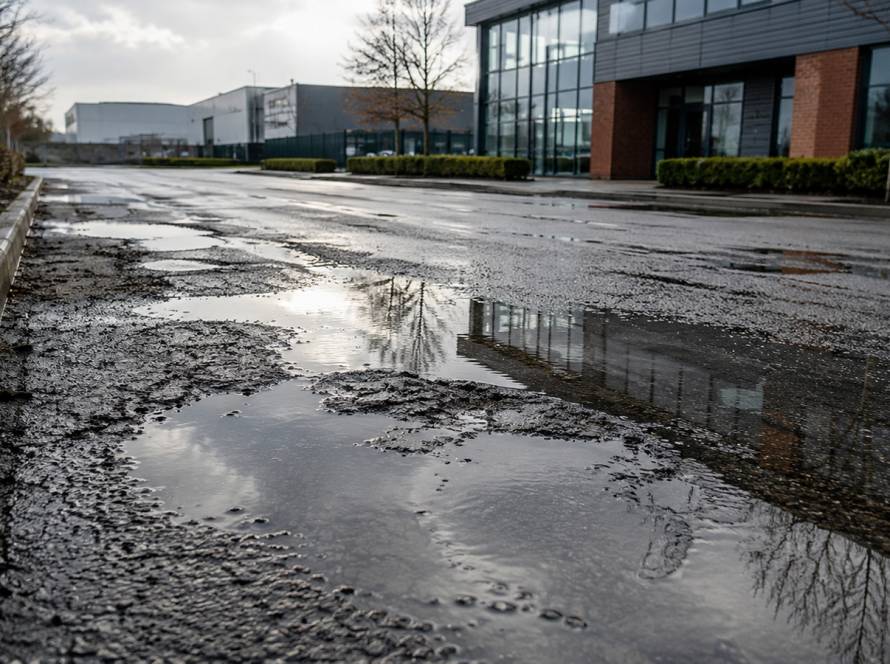
Water is often the single most damaging element affecting road surfaces. Even well-constructed tarmac contains tiny joints and natural points where moisture can gradually enter. Small cracks that appear harmless can allow rainwater to penetrate beneath the surface layer.
Once water reaches the underlying structure, it begins weakening the sub-base. During colder periods, this moisture expands as it freezes, creating additional pressure within the road. When temperatures rise again, the ice melts, leaving small voids beneath the surface. Over repeated cycles, these voids grow larger until the surface can no longer support traffic loads.
Eventually the weakened section collapses under passing vehicles, creating the familiar pothole seen on roads, car parks and access routes.
Heavy Traffic Accelerates Surface Failure
Weather alone rarely causes potholes. Traffic loading plays an equally significant role.
Every vehicle passing over a weakened area places stress on the surface. Heavy goods vehicles, delivery lorries, buses and construction equipment generate particularly high forces that accelerate deterioration. Roads serving industrial estates, commercial premises and distribution centres often experience potholes sooner than lightly used residential roads because of the greater weight and frequency of vehicle movements.
Repeated loading gradually enlarges existing cracks, allowing more water to enter and further weakening the pavement structure.
Poor Drainage Speeds Up Damage
Effective drainage is essential for maintaining any road surface. Standing water significantly increases the likelihood of pothole formation because moisture remains in prolonged contact with the pavement instead of draining away efficiently.
Blocked gullies, inadequate drainage channels and poorly designed gradients allow water to collect in low spots. These wet areas experience repeated saturation, softening the supporting layers underneath the surface.
Over time, even a well-built road can begin to fail if excess water is continually trapped on or beneath the pavement.
This is why drainage should always be considered during new commercial surfacing and road surfacing projects as well as during maintenance works.
Weak Foundations Often Remain Hidden
Many potholes originate beneath the visible road surface.
The sub-base provides the structural foundation that supports the tarmac above. If this layer was poorly compacted during construction, contains unsuitable materials or has deteriorated over time, it cannot distribute vehicle loads evenly.
As unsupported areas develop beneath the surface, the asphalt flexes excessively under traffic. Eventually this repeated movement causes cracking before the surface finally breaks apart into a pothole.
Simply filling the visible hole without addressing foundation problems may provide only a temporary improvement.
Ageing Asphalt Naturally Deteriorates
No road surface lasts indefinitely.
Over many years, sunlight, oxidation, rainfall and daily traffic gradually reduce the flexibility of asphalt. As bitumen ages, it becomes harder and more brittle, making it increasingly susceptible to cracking.
Older surfaces often develop a network of fine cracks that allow water to penetrate more easily. Without timely maintenance, these small defects develop into larger structural failures.
Routine inspections allow early repairs to be completed while damage remains relatively minor, helping extend the overall lifespan of the surface.
Utility Works Can Leave Weak Areas
Roads that have undergone repeated utility excavations often become vulnerable to potholes if reinstatement work is not completed to a high standard.
Whenever trenches are dug for water, electricity, gas or telecommunications services, the road structure is temporarily interrupted. If the reinstated materials are not properly compacted or bonded to the surrounding pavement, weak joints may develop.
Over time these areas can settle unevenly, allowing water to penetrate and traffic loads to create localised failures.
Professional reinstatement techniques help minimise these risks, but poor workmanship can significantly shorten the life of repaired sections.
Why Temporary Repairs Often Fail
Many emergency pothole repairs involve simply filling the hole with cold patch material.
While this may restore safe access temporarily, it rarely addresses the underlying structural causes. If water remains trapped beneath the repair or the surrounding pavement continues deteriorating, the pothole often reappears within months.
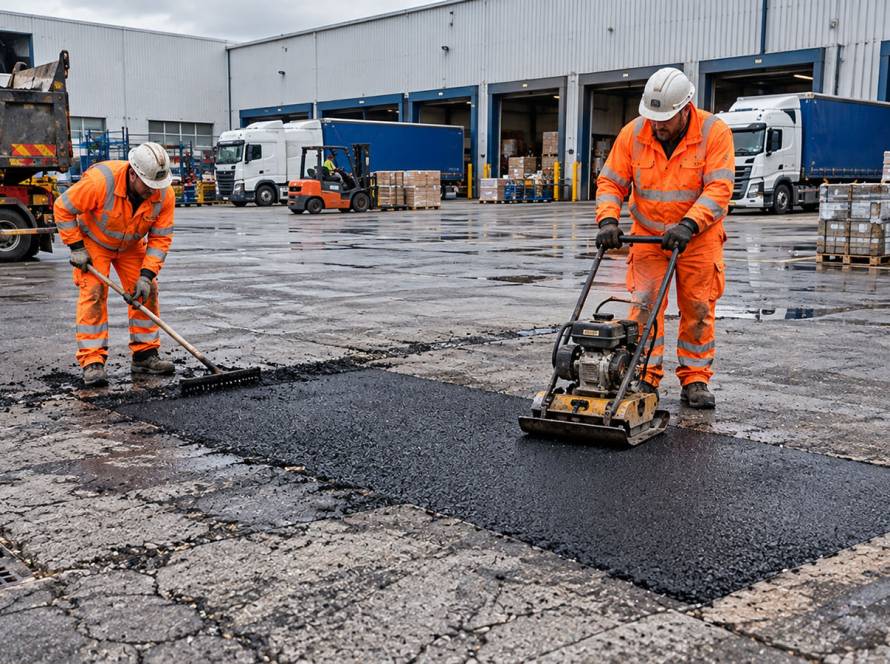
Long-lasting repairs require careful assessment of the damaged area, removal of weakened material, reconstruction of any failed layers and proper compaction before new asphalt is installed.
High-quality tarmac installation ensures the repaired section integrates fully with the surrounding pavement.
Preventative Maintenance Saves Money
The most effective way to reduce pothole formation is through proactive maintenance rather than reactive repairs.
Regular inspections can identify small cracks, edge deterioration and drainage issues before significant structural damage develops. Sealing cracks, improving drainage and resurfacing worn sections at the appropriate time are considerably more cost-effective than allowing widespread pothole damage to occur.
For commercial property owners, this approach also reduces disruption to daily operations while maintaining a safe environment for employees, customers and delivery vehicles.
Choosing Professional Repairs
Every pothole has its own underlying cause. Successful repairs depend on identifying why the damage occurred rather than simply restoring the visible surface.
Experienced surfacing contractors assess drainage, pavement condition, traffic loading and foundation stability before recommending the most appropriate repair method. In some cases, a straightforward repair is sufficient, while more extensive deterioration may require partial resurfacing or deeper reconstruction.
Using modern equipment such as machine lay tarmac allows repairs to achieve consistent compaction, improved durability and a smoother finish that blends seamlessly with existing surfaces.
Conclusion
Although winter weather often receives the blame, potholes are rarely caused by cold temperatures alone. Water infiltration, heavy traffic, ageing materials, poor drainage and inadequate foundations all contribute to the gradual breakdown of road surfaces.
Understanding these factors allows property owners and site managers to take preventative action before minor defects become major structural failures. Investing in professional repairs that address both the visible damage and its underlying causes helps extend pavement life, improve safety and reduce long-term maintenance costs.