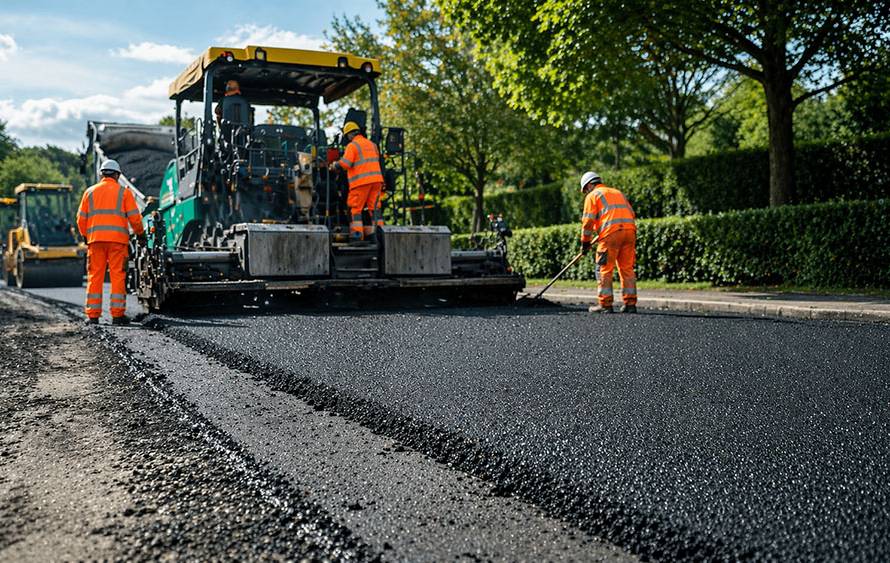
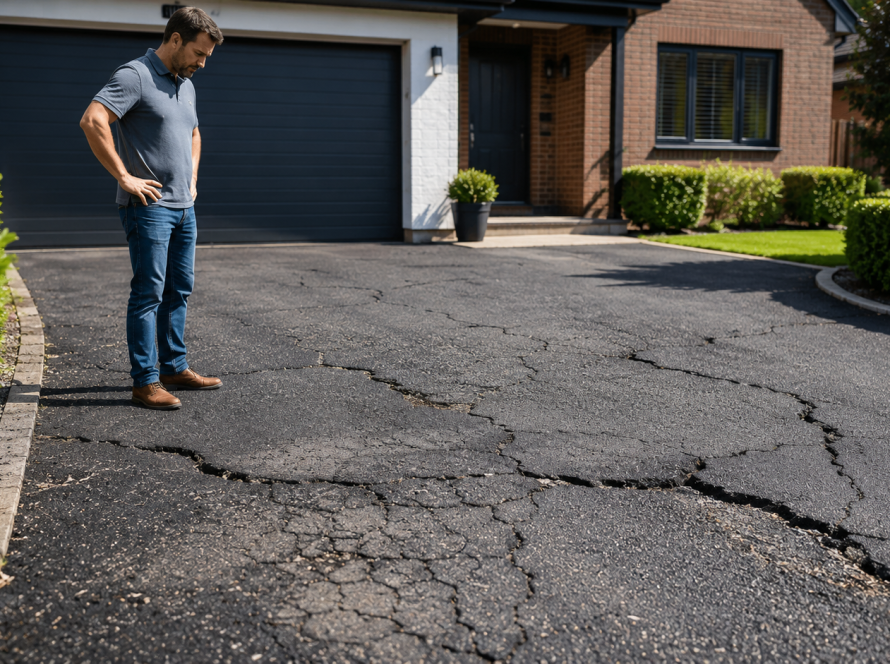
Road networks across the UK face increasing pressure from higher traffic volumes, heavier vehicles, changing weather patterns, and ageing infrastructure. Local authorities, commercial property owners, and site managers are often required to balance limited budgets with the need to keep roads safe, functional, and compliant.
Traditional road maintenance approaches typically rely on scheduled inspections, public reports of defects, or visible signs of deterioration. While these methods remain important, they often identify problems only after damage has already occurred. This can result in more extensive repairs, higher costs, and greater disruption for road users.
The emergence of smart sensors road maintenance UK solutions offers a different approach. By continuously monitoring road conditions in real time, smart sensor technology has the potential to help maintenance teams identify issues earlier, improve planning, and extend the lifespan of road surfaces.
What Are Smart Sensors in Road Infrastructure?
Smart sensors are electronic monitoring devices embedded within, attached to, or positioned near road surfaces and supporting infrastructure. Their purpose is to collect and transmit data about road conditions, environmental factors, and structural performance.
These sensors can measure a wide range of variables including surface temperature, moisture levels, traffic loading, vibration, ground movement, drainage performance, and structural stress. The information is then transmitted to monitoring systems where it can be analysed to identify trends and potential problems.
Unlike traditional inspections that provide a snapshot of conditions at a specific moment, smart sensors offer continuous monitoring. This creates a much more detailed picture of how roads perform over time and how external factors affect their condition.
Moving from Reactive to Predictive Maintenance
One of the most significant advantages of smart sensor technology is its ability to support predictive maintenance strategies.
Reactive maintenance occurs when defects such as potholes, cracks, or surface failures are repaired after they become visible. While necessary, this approach often leads to higher repair costs because the underlying problem may have worsened before action is taken.
Predictive maintenance uses sensor data to identify early warning signs before major defects develop. For example, sensors may detect unusual moisture levels beneath a road surface, indicating potential drainage issues. Maintenance teams can then investigate and address the cause before extensive deterioration occurs.
This proactive approach could help local authorities and commercial site operators allocate resources more effectively while reducing the need for emergency repairs.
Monitoring Traffic Loads More Accurately
Traffic loading is one of the most important factors affecting road performance. Heavy vehicles, frequent turning movements, and concentrated traffic patterns place significant stress on surfacing materials.
Smart sensors can provide detailed information about how roads are being used. By monitoring vehicle weights, traffic frequency, and loading patterns, maintenance teams gain valuable insight into the stresses acting on the road structure.
This data can support better long-term planning and help engineers determine when resurfacing or strengthening works may be required. It also allows future projects to be designed more accurately based on actual usage patterns rather than estimates alone.
For commercial facilities, industrial estates, and logistics centres, this information can be particularly valuable when planning upgrades or expansions to existing road infrastructure.
Improving Drainage Management
Water remains one of the leading causes of road deterioration throughout the UK. Poor drainage can weaken sub-bases, accelerate cracking, and contribute to pothole formation.
Smart sensors can continuously monitor moisture levels beneath road surfaces and within drainage systems. If abnormal water accumulation is detected, maintenance teams can investigate before significant damage develops.
This capability is especially beneficial in areas that experience frequent rainfall, flooding risks, or challenging ground conditions.
Well-maintained drainage systems play a critical role in preserving road performance, and sensor-based monitoring could significantly improve how drainage issues are identified and managed. Many organisations already recognise the importance of combining monitoring with high-quality commercial surfacing and road surfacing solutions designed for long-term durability.
Detecting Structural Movement and Ground Instability
Ground movement can create serious problems for roads, particularly in areas with variable soil conditions, nearby construction activity, or ageing infrastructure.
Small movements beneath a road surface may not be visible during routine inspections. However, over time, these shifts can contribute to cracking, settlement, and surface deformation.
Smart sensors can detect subtle structural changes long before visible damage appears. Monitoring systems can track movement patterns and alert maintenance teams when intervention may be necessary.
This is particularly valuable for access roads serving industrial facilities, commercial developments, and critical infrastructure where unexpected failures can cause operational disruption.
Enhancing Winter Road Maintenance
Winter conditions present a major challenge for road maintenance teams throughout the UK. Frost, freezing temperatures, and repeated freeze-thaw cycles can accelerate surface deterioration and create safety hazards.
Smart temperature sensors embedded within road surfaces can provide real-time information about changing conditions. Maintenance teams can receive alerts when temperatures approach freezing levels, allowing preventative measures to be implemented more effectively.
Rather than applying treatments across entire networks based on weather forecasts alone, resources can be directed to locations where conditions genuinely require attention.
This targeted approach could improve efficiency while helping to maintain safer road conditions during adverse weather.
Supporting Sustainable Infrastructure Management
Sustainability is becoming an increasingly important consideration in infrastructure planning and maintenance.
By enabling earlier intervention, smart sensors can help extend the operational lifespan of road surfaces. Preventing minor issues from becoming major defects often reduces the amount of material, labour, and energy required for repairs.
Longer-lasting surfaces can reduce waste generation and minimise the environmental impact associated with repeated reconstruction projects.
In addition, improved maintenance planning can reduce traffic disruption and associated vehicle emissions caused by roadworks.
As sustainability objectives continue to influence infrastructure decisions across the UK, smart sensor technology may become an important component of responsible asset management strategies.
The Role of Data Analytics and Artificial Intelligence
The value of smart sensors extends beyond the collection of raw data. Modern infrastructure management increasingly relies on advanced analytics and artificial intelligence to interpret information and support decision-making.
Large volumes of sensor data can be analysed to identify trends that may not be immediately obvious to human observers. Machine learning systems can recognise patterns associated with specific types of deterioration and generate maintenance recommendations.
Over time, these systems become increasingly accurate as more performance data becomes available.
For road owners and operators, this creates opportunities to improve forecasting, budgeting, and maintenance scheduling. Rather than relying solely on fixed inspection intervals, decisions can be informed by actual infrastructure performance.
Applications for Commercial and Private Road Networks
Although much discussion focuses on public highways, smart sensor technology also offers significant potential for private and commercial road networks.
Business parks, logistics facilities, industrial estates, airports, and large residential developments all depend on reliable access roads. Unexpected failures can disrupt operations, increase costs, and create safety concerns.
Smart monitoring systems could provide site managers with valuable visibility into infrastructure performance. Early identification of drainage problems, excessive loading, or developing structural issues enables maintenance activities to be planned before major disruption occurs.
When combined with professional tarmac installation and ongoing maintenance programmes, sensor technology can contribute to more efficient long-term asset management.
Challenges to Widespread Adoption
Despite their potential benefits, smart sensors are not without challenges.
Initial installation costs can be significant, particularly when retrofitting existing infrastructure. Data management systems, communication networks, and ongoing monitoring requirements also contribute to overall project costs.
There are also considerations relating to system reliability, maintenance of the sensors themselves, and integration with existing infrastructure management processes.
However, as technology continues to develop and implementation costs decrease, many of these barriers are likely to become less significant.
The long-term savings associated with improved maintenance efficiency may ultimately outweigh the initial investment for many road owners and operators.
What the Future Could Look Like
The future of road maintenance is likely to involve a combination of traditional engineering expertise and advanced digital technologies.
Smart sensors could become part of connected infrastructure networks that continuously monitor road conditions, drainage performance, traffic patterns, and structural health. Maintenance teams would have access to real-time information that supports faster, more informed decisions.
As sensor technology becomes more sophisticated, it may also integrate with automated inspection systems, connected vehicles, and wider smart city initiatives.
For the UK road sector, this shift has the potential to improve safety, reduce maintenance costs, minimise disruption, and enhance infrastructure resilience.
While traditional surfacing expertise will always remain essential, the addition of real-time monitoring capabilities could fundamentally change how roads are maintained in the years ahead. Organisations investing in quality construction, effective maintenance strategies, and modern technologies will be better positioned to maximise the performance and lifespan of their road assets. Further examples of professional surfacing projects can be explored through the project portfolio.