Sustainability is becoming a defining factor across the construction and infrastructure sectors, and the surfacing industry is no exception. With increasing pressure on developers, property owners, and commercial site managers to reduce environmental impact, the shift towards sustainable road surfacing UK practices is accelerating.
Modern surfacing projects are no longer judged solely on durability and cost. Environmental performance, carbon footprint, and long-term resource efficiency now play a central role in decision-making. This shift is influencing everything from material selection to installation techniques and lifecycle planning.
What Defines Sustainable Surfacing Materials
Sustainable surfacing materials are those that reduce environmental harm while maintaining or improving performance standards. This typically involves lowering emissions during production, increasing recyclability, and extending the lifespan of the finished surface.
Traditional surfacing methods often rely heavily on virgin aggregates and energy-intensive processes. In contrast, sustainable alternatives focus on reducing raw material consumption and reusing existing resources. This includes incorporating recycled asphalt, utilising lower-temperature production methods, and selecting binders with reduced environmental impact.
The goal is not simply to replace materials but to create a more efficient system where waste is minimised and performance is enhanced.
The Role of Recycled Materials in Modern Surfacing
One of the most significant developments in sustainable road surfacing UK is the widespread use of recycled materials. Reclaimed asphalt pavement is now commonly reprocessed and reintegrated into new surfaces, reducing the need for fresh aggregates and lowering overall project emissions.
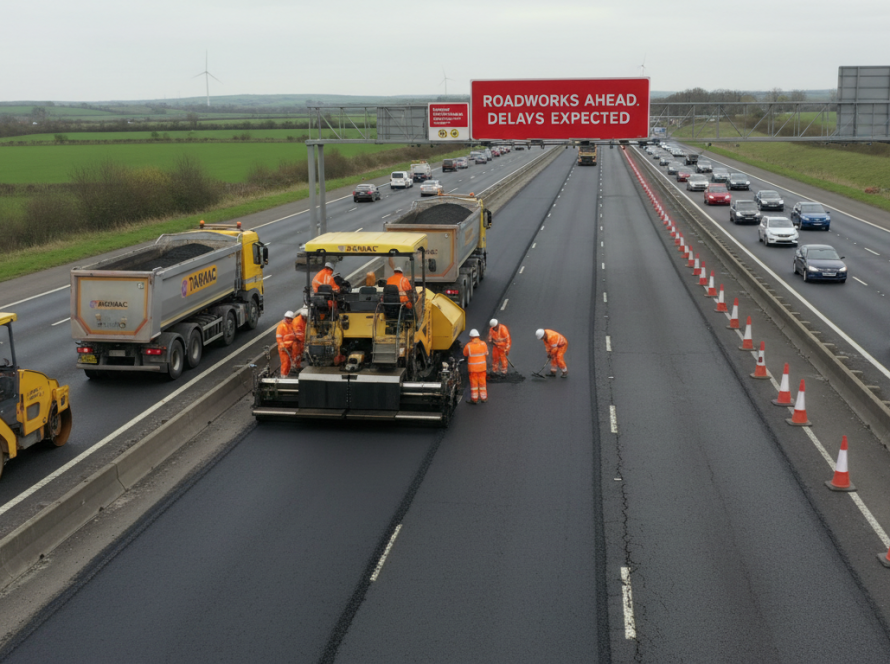
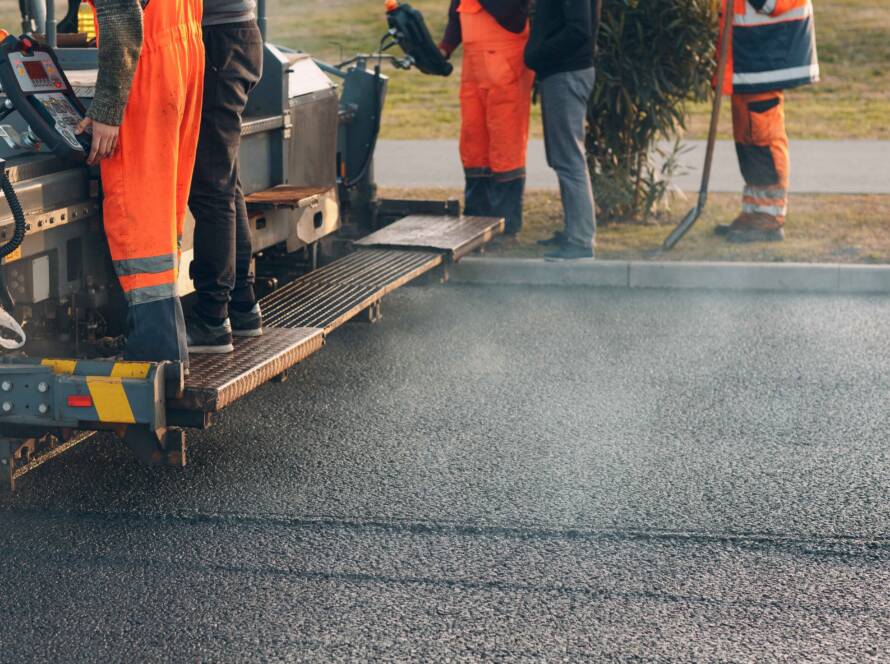
This approach offers both environmental and practical benefits. Recycling reduces landfill waste while maintaining structural integrity when properly processed. It also supports cost efficiency without compromising performance, particularly when combined with modern installation techniques such as machine lay tarmac, which ensures consistent application and compaction.
Recycled materials are now widely accepted across commercial and private projects, particularly where sustainability targets are part of planning requirements.
Warm Mix Asphalt and Reduced Emissions
Another major advancement is the use of warm mix asphalt. Unlike traditional hot mix asphalt, which requires high production temperatures, warm mix solutions are manufactured and laid at significantly lower temperatures.
This reduction in heat leads to lower fuel consumption and decreased greenhouse gas emissions during production. It also improves working conditions on-site by reducing fumes and allowing for longer working windows in cooler weather.
From a performance perspective, warm mix asphalt delivers comparable durability when installed correctly. When combined with professional tarmac installation, it provides a reliable and environmentally conscious solution for access roads, business parks, and commercial developments.
Permeable Surfaces and Drainage Benefits
Sustainability in surfacing is not limited to materials alone. Surface design also plays a critical role, particularly in relation to drainage and water management.
Permeable surfacing systems allow water to pass through the surface rather than running off into drainage systems. This reduces the risk of flooding, minimises surface water accumulation, and supports natural groundwater replenishment.
Resin-bound systems are a common example of this approach. These surfaces combine durability with permeability, making them suitable for both residential and commercial applications. Property owners exploring resin driveways often do so not only for appearance but also for their environmental advantages.
Effective drainage design reduces long-term maintenance requirements and prevents issues such as standing water and surface degradation.
Extending Surface Lifespan Through Sustainable Design
A key principle of sustainability is longevity. The longer a surface lasts, the fewer resources are required for repairs and replacement over time.
Sustainable road surfacing UK strategies focus heavily on improving durability through better design and material selection. This includes optimising sub-base construction, ensuring proper compaction, and selecting materials suited to expected traffic loads.
High-quality installation plays a crucial role in achieving this. Engaging experienced contractors for commercial surfacing ensures that surfaces are built to withstand operational demands while minimising future intervention.
Reducing the frequency of repairs not only lowers costs but also limits disruption and environmental impact over the surface lifecycle.
Maintenance and Repair with Sustainability in Mind
Even the most durable surfaces require maintenance, but sustainable practices can significantly reduce the environmental impact of these activities.
Targeted repair methods, such as localised patching and efficient pothole repairs, help extend surface life without the need for full resurfacing. This approach conserves materials and reduces waste while maintaining safety and usability.
Preventative maintenance strategies are also becoming more common. Regular inspections and early intervention can prevent minor defects from developing into larger structural issues, further supporting sustainability goals.
The Influence of Regulations and Environmental Targets
Environmental regulations and planning requirements are increasingly shaping surfacing decisions across the UK. Local authorities and governing bodies are placing greater emphasis on sustainable construction practices, particularly for large-scale developments.
This includes requirements for permeable surfaces, recycled material usage, and reduced carbon emissions. Commercial site managers must now consider these factors during the planning stage to ensure compliance and avoid delays.
Sustainable road surfacing UK is no longer a niche consideration but a standard expectation in many projects.
Balancing Sustainability with Performance
While sustainability is a priority, it must always be balanced with performance. Surfaces must remain safe, durable, and capable of handling expected traffic loads.
The challenge lies in selecting materials and methods that meet both environmental and operational requirements. Advances in technology and material science are making this balance increasingly achievable.
Modern sustainable solutions are designed to perform at the same level as traditional methods, ensuring that environmental benefits do not come at the expense of reliability.
Future Trends in Sustainable Surfacing
The surfacing industry continues to evolve, with ongoing research into new materials and techniques. Innovations such as bio-based binders, carbon-neutral production methods, and advanced recycling technologies are likely to shape the future of sustainable road surfacing UK.
Digital tools and data-driven planning are also playing a role, allowing for more precise material usage and improved project efficiency. These developments support a more sustainable approach from design through to installation and maintenance.
As these technologies become more widely adopted, sustainable surfacing will continue to move from an optional consideration to a standard industry practice.
Conclusion
Sustainable materials are fundamentally changing the surfacing industry by redefining how roads and access areas are designed, built, and maintained. The focus has shifted towards reducing environmental impact while maintaining high performance standards.
For property owners and commercial site managers, this means greater access to solutions that are not only durable and cost-effective but also aligned with modern environmental expectations. By embracing sustainable road surfacing UK practices, it is possible to achieve long-term performance while contributing to a more responsible approach to infrastructure development.