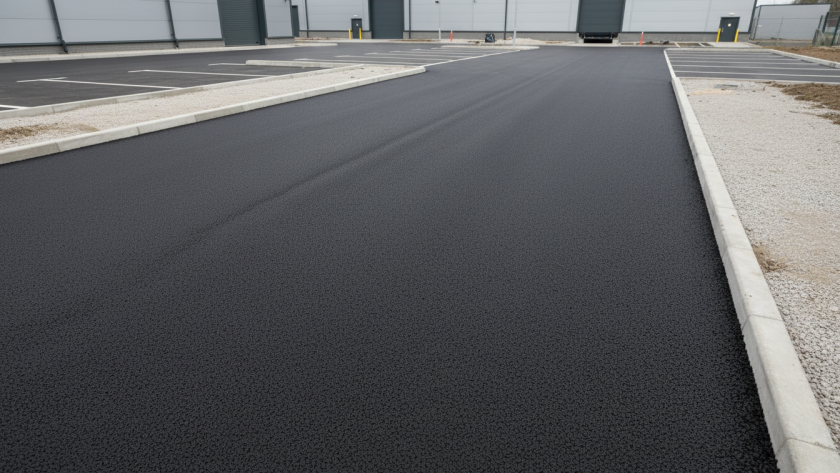
Choosing between temporary and permanent road surfacing is a common consideration for UK property owners, developers, and site managers. The correct option depends on how the surface will be used, how long it needs to perform, and the level of traffic it must withstand. Temporary road surfacing UK solutions are typically associated with short-term access…
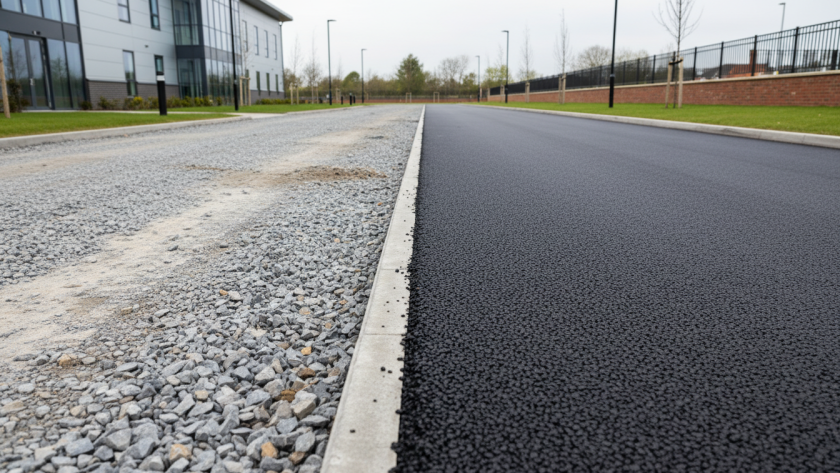
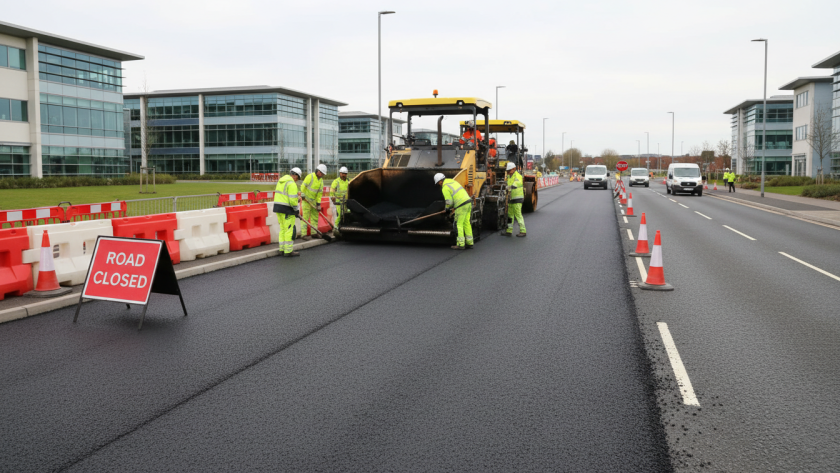
Managing disruption is one of the most important considerations when planning road surfacing works on occupied or operational sites. In the UK, many surfacing projects take place in live environments such as business parks, industrial estates, residential developments, healthcare facilities, and logistics hubs where uninterrupted access is essential. Disruption in these settings can affect safety,…
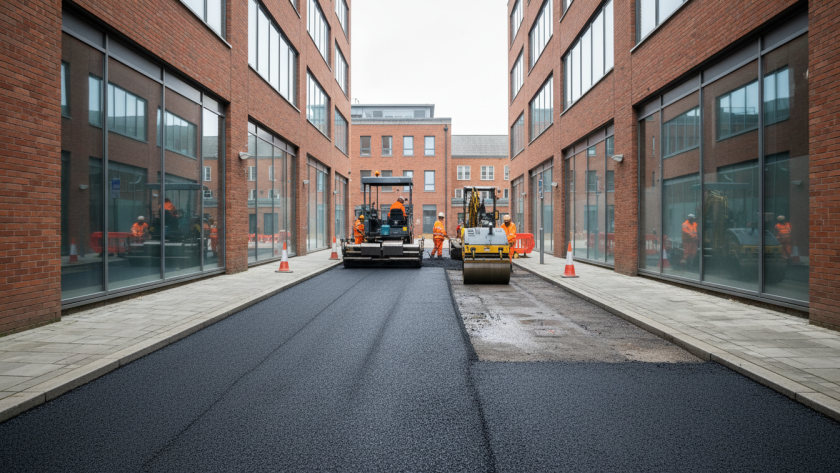
Confined road surfacing environments are common across the UK, particularly within urban developments, older industrial estates, service yards, private access routes, and residential complexes. These locations often present limited access widths, restricted turning circles, overhead obstructions, nearby buildings, or continuous pedestrian and vehicle movement. Unlike open roadway projects, confined surfacing requires a more controlled and…
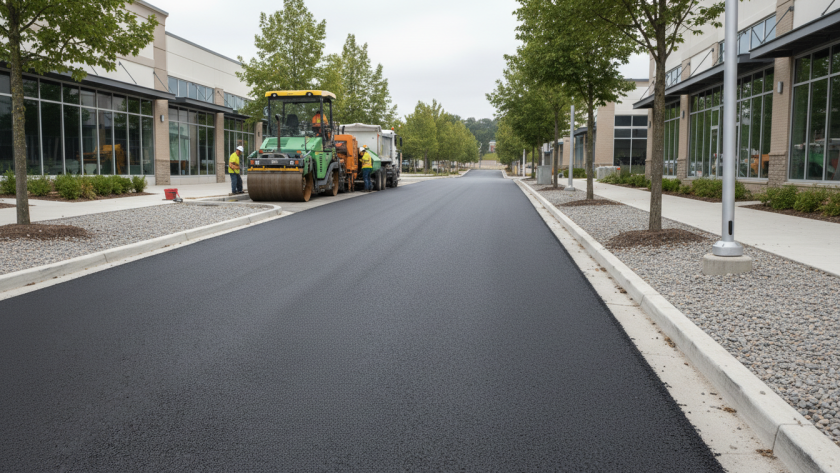
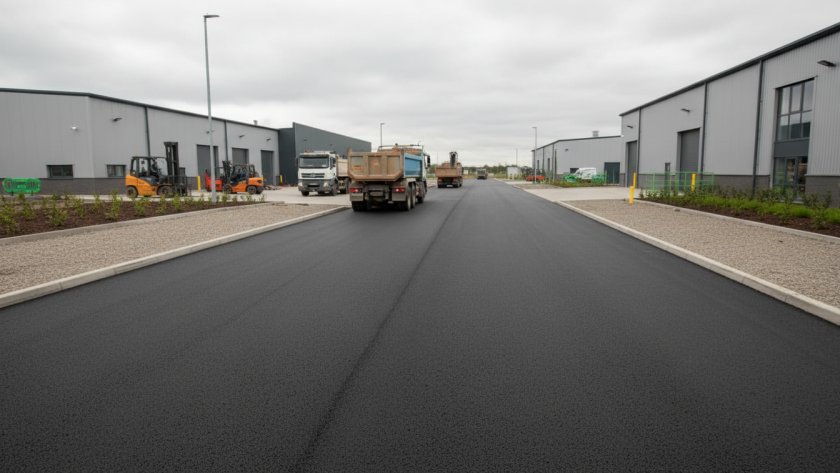
Business parks and commercial estates rely on their internal road networks far more than many property owners initially realise. These access routes support daily vehicle movements, delivery traffic, service vehicles, visitors, and in many cases heavy goods vehicles. Unlike residential streets, these roads are often under constant load throughout the working day, with peak pressure…
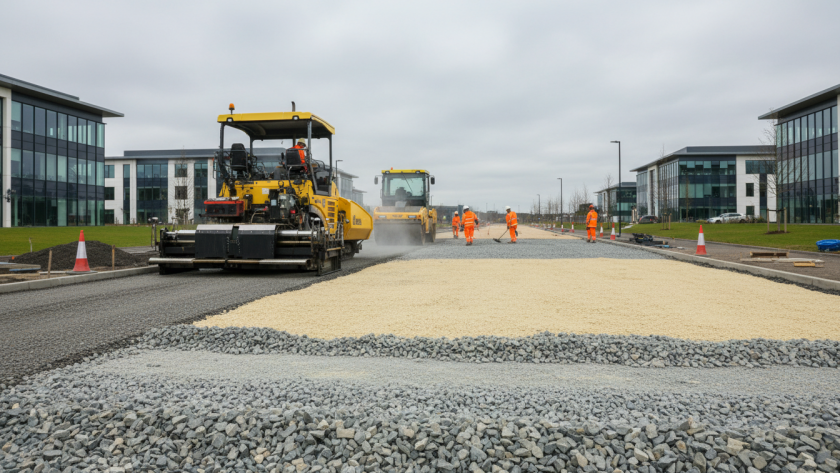
In any professional road construction project, the visible surface often receives the most attention. However, the performance, lifespan, and reliability of a road depend far more on what sits beneath it. In the context of road surfacing sub base UK projects, the sub-base forms the foundation that supports traffic loads, distributes weight, and protects the…
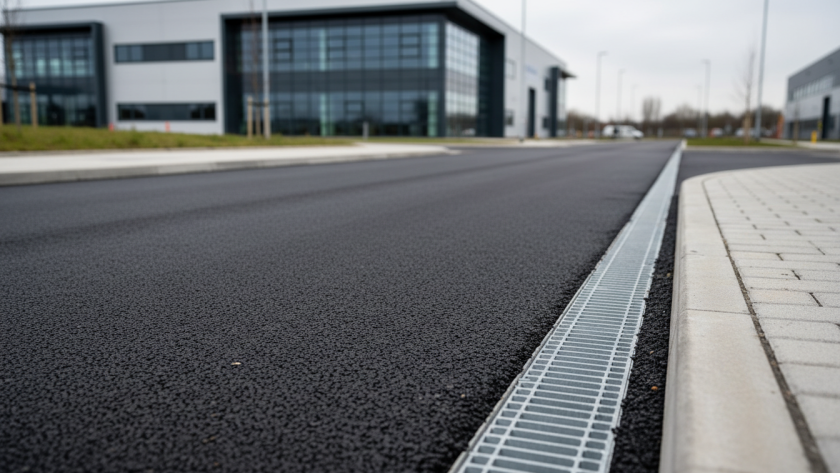
Effective drainage is one of the most important factors in the long-term performance of any surfaced road, yet it is often underestimated during planning stages. In the UK, where rainfall is frequent and weather conditions are variable throughout the year, managing surface water correctly is essential for preserving structural integrity and maintaining safety. Road surfacing…
Sloped and uneven ground presents a distinct set of challenges when it comes to road surfacing. Unlike flat areas where material depth and load distribution are relatively predictable, gradients introduce movement forces, drainage pressures, and structural stresses that must be carefully managed. For property owners and site managers in the UK, these challenges are particularly…
Road surfaces across the UK deteriorate gradually under traffic load, weather exposure, and water ingress. For property owners and site managers, deciding how to address this deterioration is not always straightforward. Two commonly specified approaches are overlay resurfacing and full road resurfacing. While both aim to restore surface performance, they differ significantly in method, cost,…
Traffic load is one of the most critical considerations in any road surfacing project. In the UK, access roads, commercial estates, industrial yards, and private developments are exposed to a wide range of vehicle weights and movement patterns. The term traffic load refers not only to how heavy vehicles are, but also how often they…
Edge restraints play a fundamental role in the long-term performance of any surfaced roadway. In UK road surfacing projects, they are often one of the most overlooked components, yet they directly influence how well a surface retains its shape, strength, and structural integrity over time. Without adequate edge restraint, even a well-laid surface can begin…
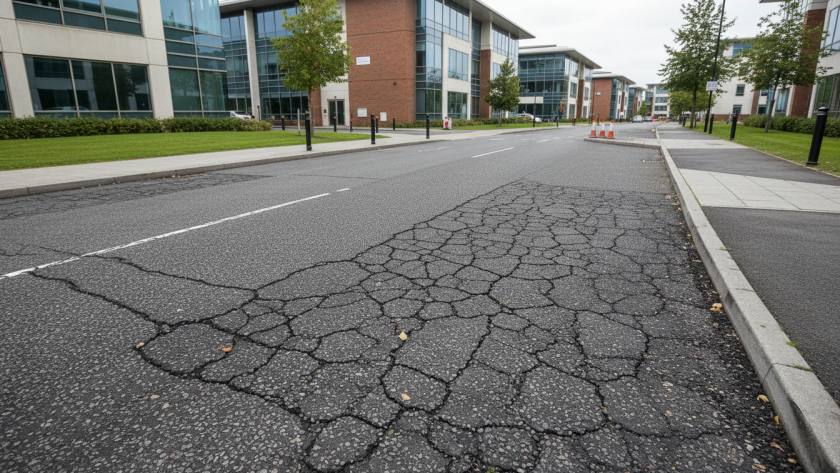
Road surface failure is a persistent issue across the UK, affecting private access roads, commercial estates, car parks, and shared lanes. While many surfaces are designed to last for decades, premature deterioration can occur within just a few years if key principles of design, preparation, and installation are overlooked. For property owners and site managers,…
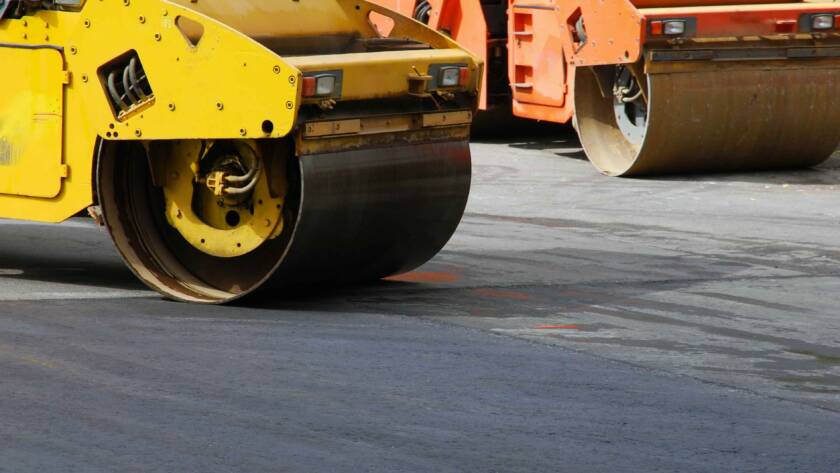
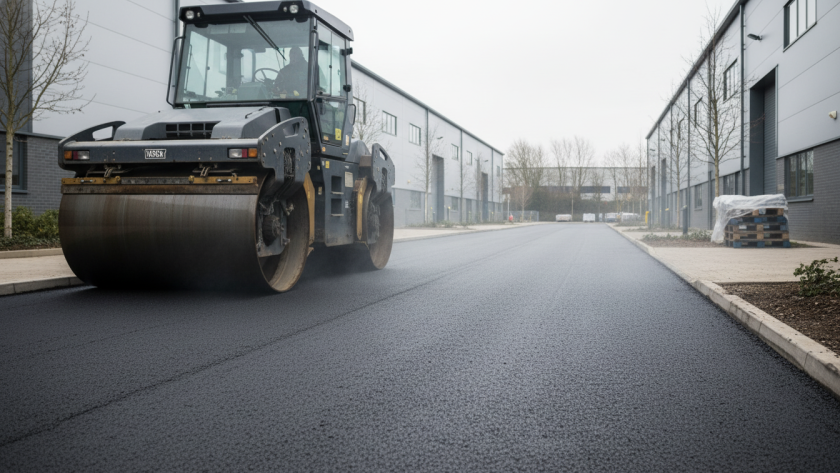
Compaction is one of the most critical stages in any road surfacing project, yet it is often misunderstood by property owners and site managers. In simple terms, compaction is the process of compressing the laid asphalt or tarmac to remove air voids and ensure the material forms a dense, stable surface. In the context of…