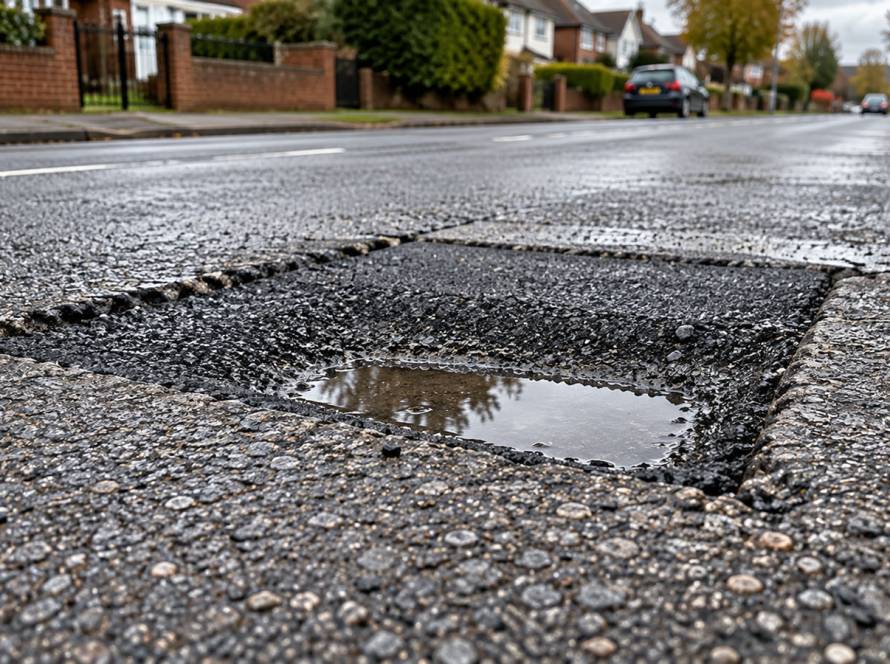
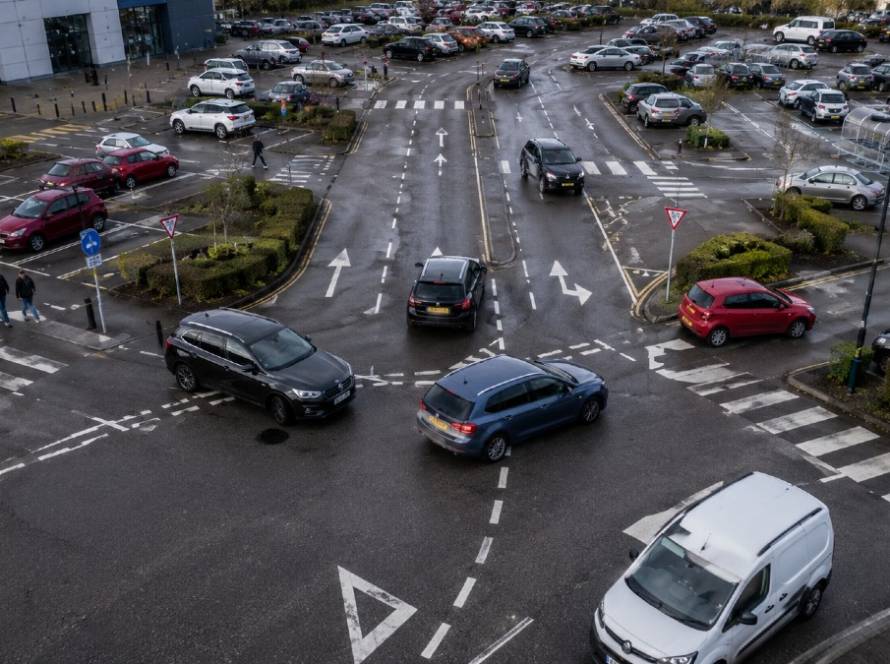
Loading bays are often the first areas of a commercial car park to show signs of deterioration. While the rest of the surface may remain relatively stable for years, loading zones frequently develop cracking, rutting, depressions, and surface fatigue much earlier. This is not simply due to age. It is usually the result of concentrated stress, repeated heavy vehicle movement, and poor structural design beneath the surface.
In many commercial environments, loading bays experience harsher operating conditions than standard parking areas. Delivery lorries, forklifts, refuse vehicles, and heavy goods vehicles apply significant pressure to relatively small sections of surfacing throughout the day. When the construction specification is not properly matched to these demands, early failure becomes highly likely.
Understanding why these failures occur is essential for property owners, facilities managers, and commercial site operators looking to reduce repair costs and maintain safe working environments. Properly designed commercial surfacing can significantly improve long-term durability in these high-stress areas.
Heavy Vehicle Loads Create Constant Surface Stress
The primary reason loading bays fail faster than surrounding car park surfaces is the intensity of vehicle loading. Standard parking bays are designed mainly for cars and light vans, which apply relatively low pressure across the pavement structure. Loading bays, however, are exposed to much heavier vehicles on a regular basis.
Heavy goods vehicles place substantial downward force on the surface, particularly when stationary during loading or unloading operations. Unlike moving traffic that distributes weight progressively, parked lorries apply sustained pressure to specific points for extended periods. This repeated stress gradually weakens the surface layers and the supporting sub-base beneath them.
The issue becomes more severe where articulated vehicles repeatedly use the same wheel paths. Over time, this creates deformation within the asphalt layers, leading to rutting and uneven settlement. Areas subjected to frequent delivery schedules can experience accelerated deterioration within only a few years if the original surface was not designed appropriately.
Professional tarmac installation for loading bays typically requires thicker construction layers and stronger load-bearing materials compared with standard car park surfacing.
Frequent Turning Movements Increase Surface Wear
Loading bays rarely experience straight-line traffic alone. Most commercial delivery areas involve tight turning manoeuvres, reversing movements, and repeated steering adjustments. These actions create horizontal stresses that place additional strain on the surface.
When large vehicles turn sharply at low speeds, the tyres exert twisting forces on the asphalt surface. This movement can gradually loosen aggregate particles and weaken the bond within the surfacing material. As a result, the surface begins to crack, frett, or deform.
This type of stress is particularly damaging during warmer weather when asphalt becomes slightly softer. Repeated turning pressure can then cause visible scuffing and surface displacement. Over time, these damaged areas allow water to penetrate deeper into the pavement structure, accelerating deterioration further.
Sites with inadequate surface thickness or insufficient compaction are especially vulnerable to this form of wear. Proper machine lay tarmac methods help achieve a more uniform and durable finish capable of handling these demanding operational conditions.
Poor Drainage Accelerates Structural Failure
Water is one of the most damaging factors affecting commercial surfacing. Loading bays are particularly vulnerable because they often sit in low-lying sections of a site where water naturally collects.
If drainage falls are poorly designed or gullies become blocked, standing water can remain on the surface for long periods. This moisture gradually penetrates cracks and joints, weakening the sub-base and reducing the structural integrity of the pavement.
Once water reaches the underlying layers, repeated heavy vehicle loading can cause pumping and movement within the foundation. This leads to settlement, cracking, and eventual pothole formation. During colder weather, freeze-thaw cycles can worsen the problem by expanding trapped water within the surface structure.
Regular drainage maintenance is therefore critical in commercial loading areas. Early intervention can prevent minor defects from developing into major structural failures that require extensive resurfacing works.
Thin Surface Construction Often Leads to Premature Failure
One of the most common reasons loading bays fail early is that they were originally constructed to standards more suitable for general parking areas rather than heavy-duty operational zones.
In some developments, loading bays are surfaced at the same thickness as the rest of the car park to reduce initial project costs. While this may provide short-term savings, it often leads to significantly higher maintenance expenses later.
Heavy commercial traffic requires stronger pavement construction. This usually involves deeper excavation, reinforced sub-base layers, thicker binder courses, and more durable wearing courses. Without these structural improvements, the surface cannot effectively distribute vehicle loads into the ground below.
Surface failure often begins beneath the visible layer. By the time cracks or depressions appear on the surface, the underlying structure may already be severely compromised. Proper specification at the construction stage is therefore essential for long-term performance.
High-quality road surfacing services typically assess expected traffic volumes, axle loads, and operational patterns before determining the correct pavement design.
Fuel and Chemical Exposure Weakens Asphalt
Loading bays are regularly exposed to fuel spills, hydraulic fluids, oils, and other industrial chemicals. These substances can gradually break down asphalt binders, reducing the surface’s resistance to wear and deformation.
Diesel spills are particularly harmful because they soften bitumen within the asphalt mix. Over time, affected areas become weaker and more susceptible to rutting under heavy vehicle pressure. Forklift operations and mechanical handling equipment can further intensify this damage.
In industrial environments, cleaning chemicals and warehouse runoff may also contribute to surface deterioration. If spills are not managed properly, localised damage can spread across larger sections of the loading area.
Using materials specifically designed for commercial and industrial applications can improve resistance to chemical exposure and extend the lifespan of the surface.
Loading Bays Experience Higher Impact Forces
Unlike standard traffic lanes, loading bays are exposed to repeated impact loading. Heavy pallets, skips, containers, and loading equipment can all contribute to localised surface damage.
Forklifts carrying heavy loads create concentrated pressure through relatively small solid tyres. These forces differ significantly from pneumatic road tyres and can cause rapid surface fatigue in poorly constructed areas.
Additionally, dropped goods or repeated loading dock impacts can create stress fractures within the asphalt surface. Over time, these small defects widen under traffic loading and moisture ingress.
Industrial sites with constant loading activity often require reinforced pavement solutions to withstand these demanding operational conditions.
Inadequate Maintenance Allows Minor Defects to Escalate
Small surface defects rarely remain minor for long in loading bays. Because these areas experience constant heavy use, even small cracks or shallow depressions can deteriorate rapidly.
Water penetration through minor cracks weakens the structure beneath the surface. Heavy vehicles then enlarge the damaged area through repeated loading cycles. What begins as a small surface crack can quickly develop into widespread structural failure.
Routine inspections are essential for identifying early warning signs before extensive repairs become necessary. Timely pothole repairs and crack sealing can significantly extend the service life of commercial loading areas.
Preventative maintenance is generally far more cost-effective than major resurfacing or reconstruction works. For busy commercial sites, maintaining operational access while avoiding costly disruption is often a major priority.
Ground Conditions Also Influence Long-Term Performance
The strength and stability of the underlying ground have a major impact on loading bay durability. Weak or poorly compacted subgrade materials can lead to uneven settlement and structural instability over time.
Industrial developments are sometimes constructed on reclaimed ground or former brownfield sites where soil conditions vary significantly across the site. Without proper ground investigation and preparation, loading bays may suffer from localised movement and premature failure.
Groundwater conditions can also affect pavement stability. Poor drainage beneath the surface allows moisture levels within the soil to fluctuate, reducing load-bearing capacity and increasing the risk of settlement.
Professional site preparation and proper foundation design are therefore critical components of any successful loading bay surfacing project.
Why Proper Design Matters for Commercial Sites
Loading bays are among the hardest-working sections of any commercial property. They operate under constant pressure from heavy traffic, turning movements, environmental exposure, and operational demands that standard parking areas rarely experience.
Because of these conditions, loading bays should never be treated as ordinary car park surfaces. They require specialist design, stronger construction methods, effective drainage planning, and ongoing maintenance strategies to achieve long-term reliability.
Well-designed loading bay road surfacing UK solutions can reduce operational disruption, improve safety, and minimise long-term repair costs. Investing in appropriate materials and professional installation from the outset often proves far more economical than repeated patch repairs and premature resurfacing works later.