Seasonal road maintenance in the UK is a critical aspect of preserving the longevity, safety, and usability of both private and commercial road surfaces. The changing British climate, characterised by frequent rainfall, temperature fluctuations, and occasional freezing conditions, places continuous stress on road surfaces throughout the year. Without a structured maintenance approach, even well-installed surfaces can deteriorate prematurely.
For property owners and site managers, adopting a year-round maintenance strategy helps prevent costly repairs and ensures that access routes remain safe and functional. Whether managing a business park, industrial estate, or private access road, understanding how each season affects your surface allows for timely interventions that protect your investment.
Spring: Repairing Winter Damage
Assessing Surface Condition After Cold Weather
As winter ends, spring becomes the ideal time to assess any damage caused by frost, ice, and prolonged moisture exposure. Freeze-thaw cycles can lead to cracks, potholes, and weakened sub-base layers. These issues often worsen if left unattended, especially under regular traffic loads.
A thorough inspection should focus on identifying surface defects such as cracking, edge deterioration, and drainage issues. Early detection allows for targeted repairs before problems escalate.
Addressing Potholes and Surface Defects
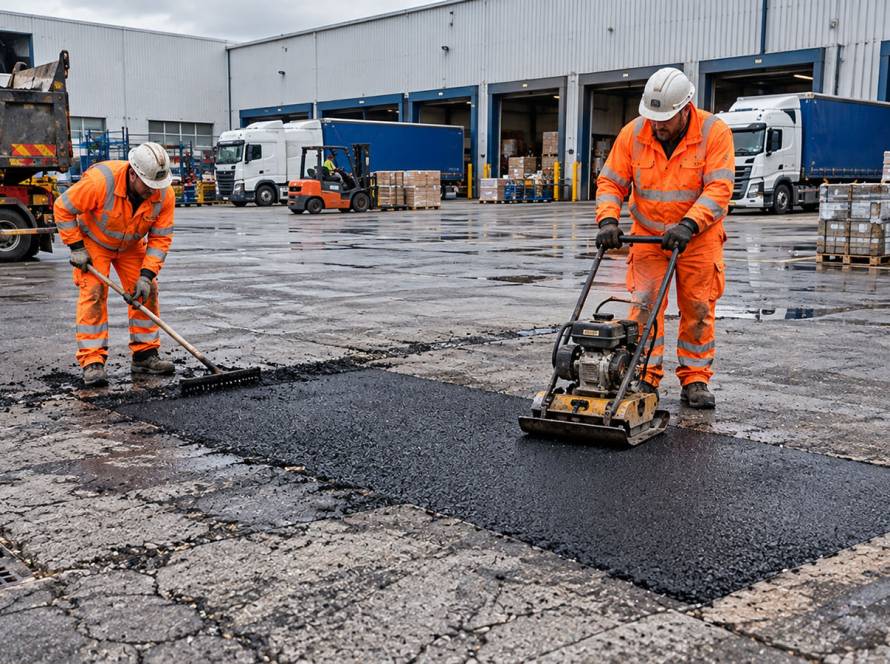
Spring is the most effective time to carry out repairs such as pothole repairs to restore surface integrity. Potholes not only pose safety risks but also allow water ingress, accelerating further deterioration.
Professional repair work ensures that damaged areas are properly cut out, cleaned, and reinstated with suitable materials. This approach provides a durable solution rather than a temporary fix.
Restoring Drainage Efficiency
Winter often leaves drainage systems blocked with debris, leading to standing water on road surfaces. Clearing drainage channels and ensuring proper water runoff is essential to prevent long-term structural damage.
Effective drainage plays a key role in maintaining the durability of any road surface, particularly in areas with heavy rainfall.
Summer: Preventative Maintenance and Surface Care
Monitoring Surface Performance in Warm Conditions
Summer offers favourable conditions for preventative maintenance and minor resurfacing works. Warmer temperatures allow materials such as tarmac to be applied and compacted more effectively, resulting in a smoother and more durable finish.
This season is ideal for evaluating how the surface performs under increased usage, particularly in commercial environments where traffic levels may rise.
Surface Cleaning and Debris Removal
Regular cleaning during summer helps maintain surface quality and appearance. Removing debris, oil stains, and vegetation growth prevents long-term damage and preserves the structural integrity of the surface.
Neglecting basic cleaning can lead to surface weakening over time, especially where organic material traps moisture.
Planning Larger Surfacing Works
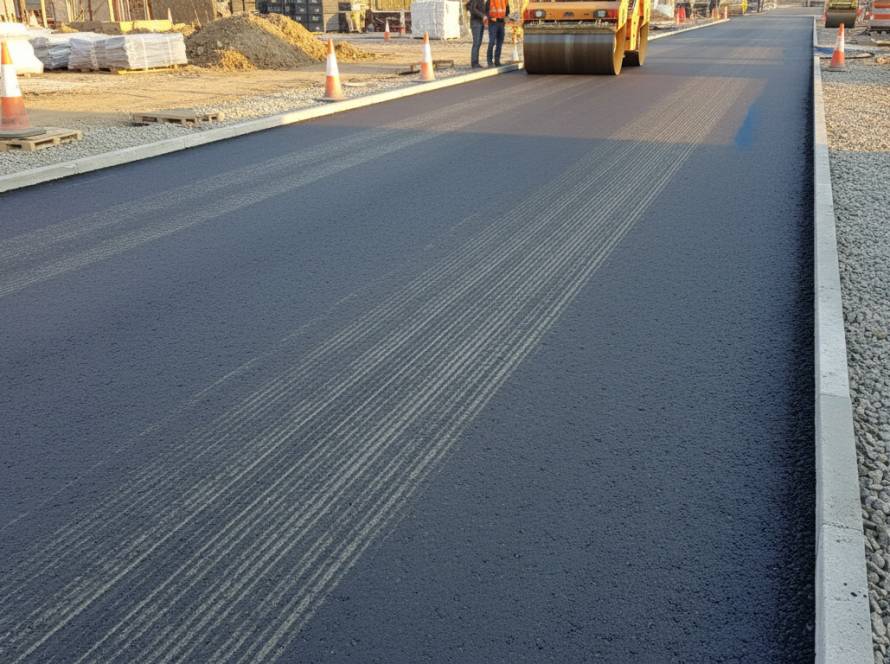
If resurfacing or upgrades are required, summer is typically the best time to carry out works such as tarmac installation. The stable weather conditions reduce the risk of delays and ensure optimal installation quality.
For larger commercial sites, scheduling works during this period can minimise disruption and improve overall project efficiency.
Autumn: Preparing for Wet and Cold Conditions
Inspecting Drainage Systems
Autumn brings increased rainfall and falling leaves, both of which can impact drainage systems. Blocked gullies and channels can quickly lead to water accumulation, which weakens the road surface and sub-base.
Routine inspection and cleaning of drainage systems are essential to maintain effective water management as wetter conditions set in.
Sealing Cracks and Preventing Water Ingress
Any cracks identified during earlier inspections should be sealed before winter arrives. Water entering these cracks can freeze and expand, causing further damage.
Timely crack sealing acts as a preventative measure, reducing the likelihood of more extensive repairs later.
Strengthening High-Traffic Areas
Areas subjected to frequent or heavy traffic, such as loading zones and turning points, should be reinforced where necessary. Engaging professional commercial surfacing services ensures that these sections are capable of withstanding increased stress during adverse weather conditions.
Proactive reinforcement helps maintain safety and performance throughout the colder months.
Winter: Managing Weather Impact and Safety
Monitoring Surface Conditions
Winter presents the most challenging conditions for road surfaces. Freezing temperatures, ice, and increased moisture levels can quickly exacerbate existing issues.
Regular monitoring allows for early identification of hazards such as ice formation, surface cracking, and drainage failures. Prompt action is essential to maintain safe access.
Implementing Temporary Repairs
While permanent repairs are less practical during winter, temporary measures can help manage immediate risks. Addressing minor defects quickly prevents them from developing into more serious problems.
Professional contractors can advise on appropriate interim solutions that maintain safety until full repairs can be carried out in more suitable conditions.
Ensuring Safe Access
Maintaining safe access during winter is particularly important for commercial sites. Gritting, clearing snow, and ensuring adequate traction all contribute to reducing the risk of accidents.
A well-maintained surface performs significantly better under winter conditions, highlighting the importance of year-round care.
The Importance of a Year-Round Maintenance Strategy
Seasonal road maintenance is not a one-off task but an ongoing process that requires careful planning and consistent attention. Each season presents unique challenges, and addressing them proactively helps extend the lifespan of the surface while reducing long-term costs.
Working with experienced contractors ensures that maintenance and repair works are carried out to a high standard. Services such as machine lay tarmac provide efficient and consistent results, particularly for larger areas requiring uniform coverage.
In addition, reviewing past projects through a professional portfolio can help property owners understand the quality and scope of work available, supporting informed decision-making when planning maintenance or upgrades.
Long-Term Benefits of Seasonal Maintenance
Adopting a structured seasonal maintenance approach offers several long-term benefits. Roads remain safer for users, reducing the likelihood of accidents and liability concerns. Surfaces also retain their structural integrity for longer, delaying the need for costly resurfacing or full replacement.
From a financial perspective, preventative maintenance is significantly more cost-effective than reactive repairs. Addressing minor issues early prevents them from developing into major defects that require extensive intervention.
Furthermore, well-maintained roads contribute to the overall appearance and functionality of a site, which is particularly important for commercial properties where first impressions matter.
Conclusion
Seasonal road maintenance in the UK requires a proactive and informed approach. By understanding how each season impacts road surfaces and implementing appropriate maintenance strategies, property owners and site managers can protect their investment and ensure reliable performance throughout the year.
From spring repairs and summer upkeep to autumn preparation and winter monitoring, each stage plays a vital role in maintaining surface quality. Engaging professional services when needed ensures that all work is carried out effectively, supporting long-term durability and safety.