Choosing the right surface for a driveway or commercial site is a decision that affects not only appearance but also long-term usability and cost. In the UK, two of the most commonly used options are tarmac and block paving. Each offers distinct advantages, and understanding their differences is essential for making the right choice.
When comparing tarmac vs block paving UK solutions, factors such as durability, maintenance, drainage, and traffic load all play a significant role. Property owners and site managers need a clear understanding of how each material performs in real-world conditions.
Understanding Tarmac Surfaces
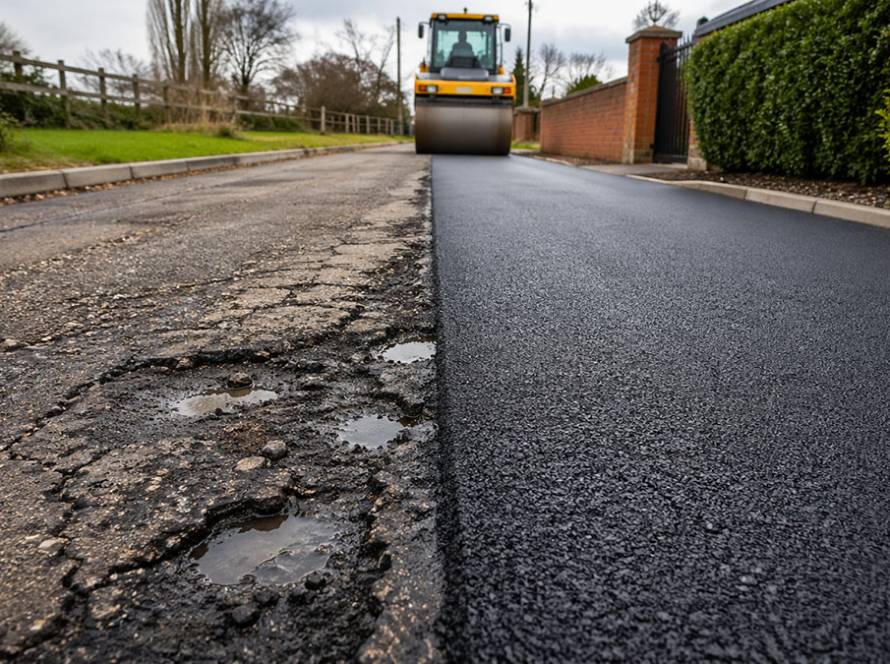
Tarmac is a widely used surfacing material known for its smooth finish and strength. It is created by mixing aggregates with bitumen, resulting in a durable and flexible surface that can handle a range of applications.
One of the key advantages of tarmac is its ability to provide a seamless finish. This makes it particularly suitable for areas where consistent vehicle movement is expected, such as driveways, access roads, and commercial yards.
Professional tarmac installation ensures that the surface is laid evenly and compacted correctly, which is critical for long-term performance.
Understanding Block Paving
Block paving consists of individual bricks or blocks laid in a specific pattern over a prepared sub-base. It is often chosen for its decorative appeal and versatility in design.
This type of surface allows for a wide range of colours, shapes, and patterns, making it a popular choice for residential properties where visual appearance is a priority. However, its performance depends heavily on the quality of installation and ongoing maintenance.
Unlike tarmac, block paving is not a continuous surface. The joints between blocks play an important role in both drainage and structural stability.
Comparing Durability
Durability is one of the most important considerations when choosing between tarmac and block paving.
Tarmac is known for its ability to withstand heavy loads and frequent use. Its flexible nature allows it to absorb pressure without cracking easily, which makes it particularly suitable for commercial environments.
Block paving, while durable in its own right, can be more susceptible to movement over time. If the sub-base is not properly prepared, blocks may shift or settle unevenly. This is especially noticeable in areas exposed to regular vehicle traffic.
For high-traffic environments, working with specialists in commercial surfacing ensures that the chosen material meets the demands of the site.
Maintenance Requirements
Maintenance is another key factor when evaluating tarmac vs block paving UK options.
Tarmac requires relatively low maintenance. Occasional sealing and prompt repair of minor defects are usually sufficient to keep the surface in good condition. If damage does occur, it can often be repaired quickly through targeted solutions such as pothole repairs.
Block paving, on the other hand, requires more regular upkeep. The joints between blocks can lose sand over time, leading to weed growth and reduced stability. Re-sanding and cleaning are necessary to maintain both appearance and performance.
Over time, this difference in maintenance can have a noticeable impact on overall costs and effort.
Drainage and Water Management
Drainage plays a critical role in the longevity of any surface.
Tarmac is designed to shed water efficiently when installed with the correct gradients. Proper drainage planning ensures that water flows away from the surface, reducing the risk of pooling and damage.
Block paving offers natural permeability through the gaps between blocks. This allows water to drain through the surface rather than running off it. While this can be beneficial, it also means that the underlying layers must be properly designed to handle water flow.
Poor drainage in either system can lead to long-term issues, including surface deterioration and structural problems.
Aesthetic Considerations
Appearance is often a deciding factor, particularly for residential driveways.
Block paving provides a more decorative finish, with a variety of styles that can complement different property types. It allows for customisation in a way that tarmac cannot easily replicate.
Tarmac, by contrast, offers a clean and uniform look. While it may be considered more functional in appearance, it can still provide a neat and professional finish that suits many properties.
For those prioritising visual appeal, exploring alternatives such as resin driveways may also be worthwhile.
Performance in Residential Driveways
For residential use, both tarmac and block paving can perform well when installed correctly.
Tarmac is ideal for homeowners seeking a durable, low-maintenance solution. It handles daily vehicle use with ease and requires minimal upkeep.
Block paving is better suited to those who value design flexibility and are willing to invest time in maintenance. It can enhance kerb appeal but may require periodic attention to maintain its condition.
The choice ultimately depends on the balance between practicality and appearance.
Performance in Commercial Settings
Commercial environments present a different set of challenges.
Heavy vehicles, frequent traffic, and operational demands require a surface that can withstand constant use without deteriorating quickly. Tarmac is often the preferred choice in these settings due to its strength and resilience.
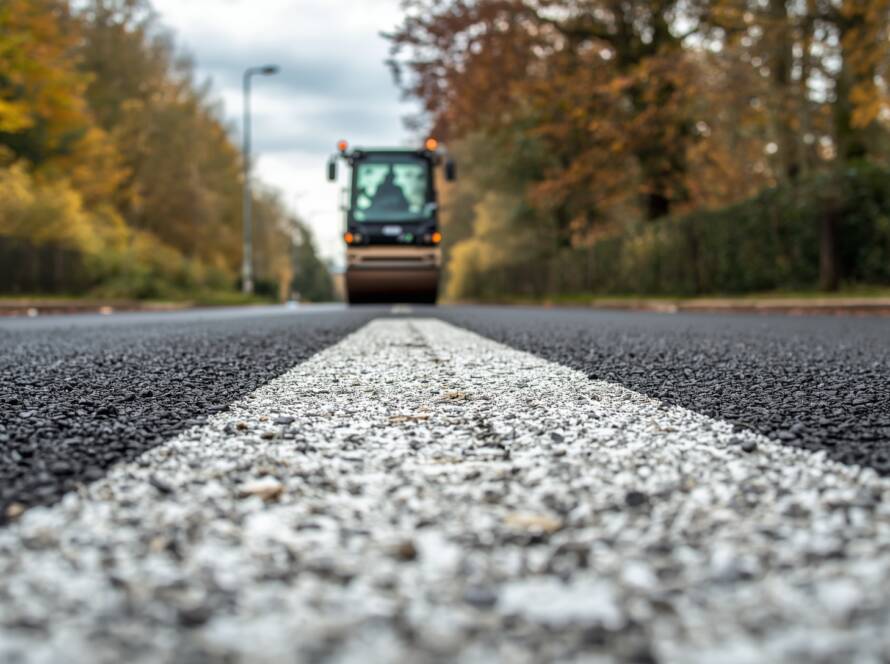
Large-scale applications benefit from efficient installation methods such as machine lay tarmac, which ensure consistency and durability across wide areas.
Block paving can be used in commercial settings, particularly in areas with lighter traffic or where aesthetics are important. However, it may not be as practical for high-load zones.
Cost Considerations
Cost is always a factor in any surfacing decision.
Tarmac generally has a lower initial installation cost compared to block paving. Its quicker installation process also reduces labour expenses.
Block paving tends to have higher upfront costs due to the materials and labour involved. While it can add value through its appearance, ongoing maintenance should also be considered when evaluating long-term costs.
For commercial sites, the long-term cost efficiency of tarmac often makes it the more practical choice.
Installation Quality and Its Impact
Regardless of the material chosen, installation quality is critical.
A poorly installed surface will fail prematurely, regardless of whether it is tarmac or block paving. Proper ground preparation, correct sub-base construction, and professional laying techniques are essential for achieving a durable result.
Working with experienced contractors ensures that every stage of the process is carried out to a high standard. Reviewing previous projects through a portfolio can provide reassurance and insight into the quality of workmanship.
Making the Right Choice
When comparing tarmac vs block paving UK options, there is no single solution that suits every situation.
Tarmac is often the better choice for commercial sites and high-traffic areas due to its durability, lower maintenance, and cost-effectiveness. Block paving is more suited to residential driveways where appearance is a key consideration and traffic levels are lower.
Understanding the specific requirements of the site is essential. Factors such as usage, budget, and maintenance expectations should all be taken into account before making a decision.
Conclusion
Tarmac and block paving each offer distinct advantages, and the right choice depends on how the surface will be used. For property owners and commercial site managers, the focus should always be on long-term performance rather than short-term appearance alone.
By considering durability, maintenance, drainage, and cost, it becomes easier to select a solution that delivers reliable results over time. With proper installation and ongoing care, both materials can provide effective and lasting surfaces tailored to their intended use.