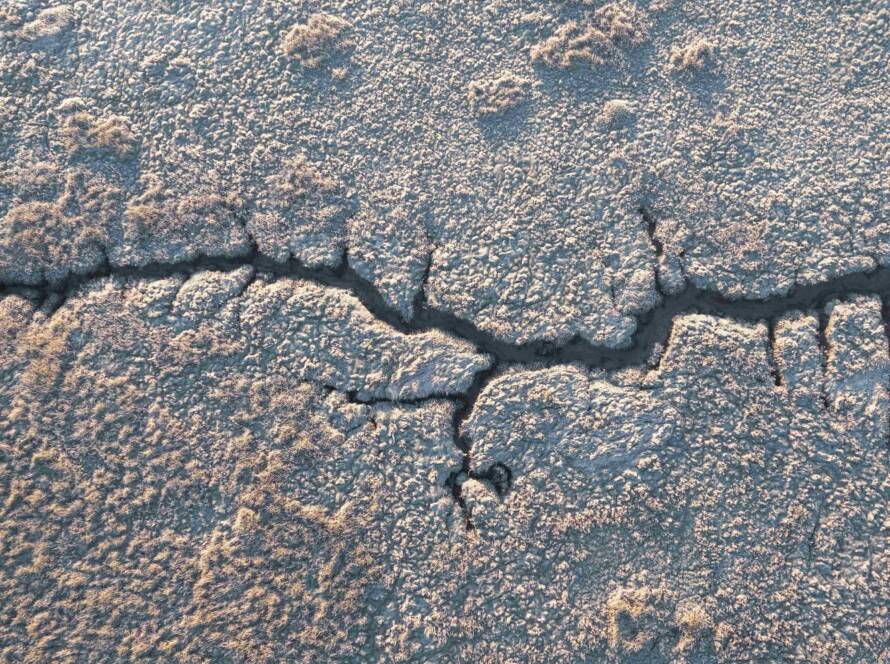
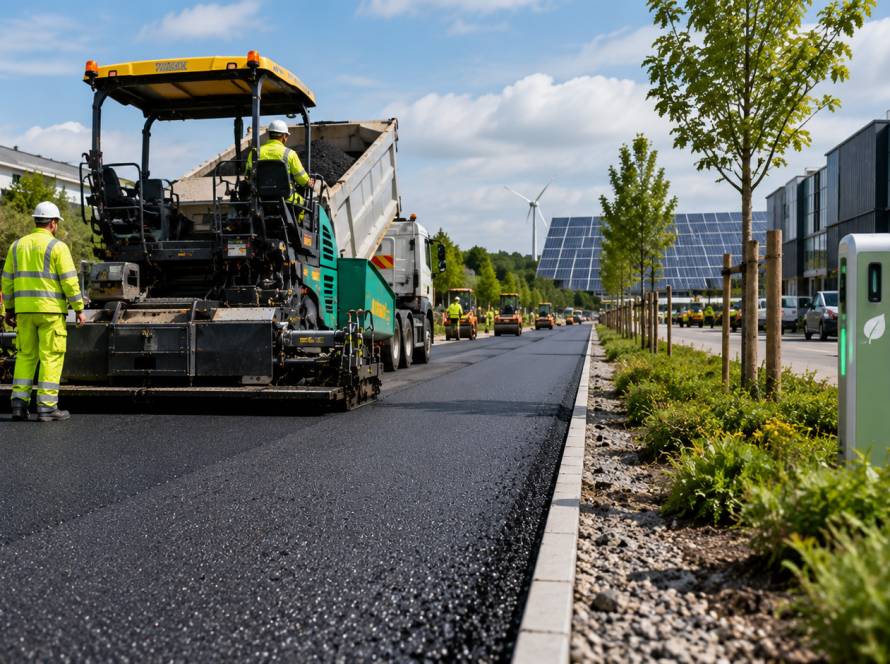
Yard surface sinking is a common issue across both residential and commercial properties in the UK. While it may initially appear as minor unevenness or shallow depressions, it often develops into more serious structural problems that affect usability, drainage, and long-term durability.
The real cause of sinking is rarely the surface material itself. Whether the area is finished with tarmac, resin, or block paving, the visible layer is only as reliable as the foundation beneath it. When that foundation is poorly prepared or compromised over time, the surface above begins to fail.
In many cases, the problem develops gradually. Property owners may not notice the early signs until water starts pooling or vehicles begin to feel uneven movement when crossing the area. By this stage, the issue has often progressed below the surface.
The Role of Ground Preparation in Surface Stability
Why the Sub-Base Matters
The most significant factor in preventing yard surface sinking is the quality of the sub-base. This layer sits directly beneath the surface and is responsible for distributing weight evenly while providing structural support.
If the sub-base is too thin, poorly compacted, or made from unsuitable materials, it will not be able to handle regular loads. Over time, this leads to compression and movement, which causes the surface above to sink.
Professional tarmac installation always begins with a properly designed and installed sub-base. This ensures the surface can withstand both traffic and environmental conditions without shifting.
Poor Compaction and Its Effects
Even when the correct materials are used, insufficient compaction can lead to long-term problems. Air pockets left within the sub-base gradually collapse under pressure, causing uneven settlement.
This is particularly common in areas that experience frequent vehicle use, such as driveways, service yards, and access roads. Without proper compaction during installation, the surface may look stable initially but begin to fail within months.
Water: The Hidden Cause of Surface Failure
Drainage Problems Beneath the Surface
Water is one of the most damaging factors affecting yard surfaces. When drainage is inadequate, water can accumulate beneath the surface and weaken the sub-base.
Over time, this leads to soft spots where the ground loses its load-bearing capacity. As vehicles or foot traffic pass over these areas, the surface begins to sink.
Proper drainage design is essential in any surfacing project. This includes ensuring correct gradients, installing drainage channels where necessary, and using permeable materials when appropriate.
Freeze-Thaw Cycles in the UK Climate
The UK’s climate introduces another challenge through freeze-thaw cycles. Water trapped beneath the surface expands when it freezes and contracts when it thaws. This repeated movement gradually disrupts the ground structure.
As the sub-base weakens, the surface above becomes more susceptible to sinking and cracking. This is why drainage and material selection must be carefully considered during installation.
The Impact of Soil Conditions
Clay Soils and Ground Movement
Certain soil types are more prone to movement than others. Clay soils, which are common in many parts of the UK, expand when wet and shrink when dry. This constant shifting creates instability beneath yard surfaces.
If the ground is not properly stabilised before installation, these natural movements will eventually cause the surface to sink or become uneven.
Made Ground and Previous Use
In some cases, yards are built on land that has been previously developed or filled. Known as made ground, this type of soil can be unpredictable and prone to settlement.
Without proper ground investigation and preparation, surfaces installed on made ground are at a higher risk of sinking over time.
Traffic Load and Usage Patterns
Weight and Frequency of Use
Not all yard surfaces are subjected to the same level of stress. Areas used by heavy vehicles, such as delivery lorries or construction equipment, require a much stronger foundation than those used for light vehicles or pedestrian access.
If a surface is not designed to handle the expected load, it will begin to deform and sink under pressure. This is particularly common in commercial settings where usage increases over time.
Turning and Braking Stress
Certain areas of a yard experience more stress than others. Entry points, turning areas, and loading zones are subject to concentrated forces that can accelerate wear and cause localised sinking.
These areas require additional reinforcement during installation to prevent premature failure.
Poor Installation Practices
Inconsistent Material Quality
Using low-quality materials or inconsistent mixes can compromise the integrity of a yard surface. This includes both the sub-base and the surface layer itself.
Professional commercial surfacing ensures that materials meet industry standards and are suitable for the intended use.
Lack of Edge Restraints
Edge restraints play a crucial role in maintaining the shape and stability of a surface. Without them, the edges can begin to spread, allowing the sub-base to shift and the surface to sink.
This is often overlooked in smaller projects but can lead to significant issues over time.
Early Signs Your Yard Surface Is Sinking
Recognising the early signs of sinking can help prevent more extensive damage. Subtle dips, water pooling after rain, and cracks forming in the surface are all indicators that something is happening beneath the surface.
In some cases, you may notice that certain areas feel softer underfoot or when driven over. These are clear signs that the sub-base is no longer providing adequate support.
Addressing these issues early can reduce the need for full resurfacing and allow for targeted repairs.
Long-Term Solutions to Prevent Sinking
Proper Ground Preparation
The most effective way to prevent yard surface sinking is to ensure that the ground is properly prepared from the outset. This includes excavation to the correct depth, installation of a suitable sub-base, and thorough compaction.
Effective Drainage Design
Drainage should never be an afterthought. Designing the surface to direct water away and prevent accumulation beneath the surface is essential for long-term performance.
Using the Right Surfacing Method
Different applications require different surfacing solutions. In high-traffic or heavy-use areas, methods such as machine lay tarmac provide a more durable and consistent finish.
Choosing the right method ensures that the surface can withstand the demands placed upon it.
Ongoing Maintenance and Repairs
Even well-installed surfaces require maintenance over time. Addressing minor issues such as cracks or small depressions early can prevent them from developing into larger problems.
Services like pothole repairs can extend the lifespan of a surface and maintain its usability.
Why Professional Installation Makes the Difference
Ultimately, the difference between a surface that lasts for years and one that begins to sink prematurely comes down to the quality of installation.
Professional contractors understand the importance of ground conditions, drainage, material selection, and compaction. They take a comprehensive approach that ensures every layer of the surface is built to perform.
For property owners and site managers, investing in proper installation from the beginning is far more cost-effective than dealing with repeated repairs and resurfacing.
Conclusion
Yard surface sinking is not a random issue. It is the result of underlying problems that develop over time, often due to poor preparation, inadequate drainage, or unsuitable materials.
By understanding the real causes and taking a proactive approach to installation and maintenance, it is possible to create surfaces that remain stable, functional, and durable for years to come.