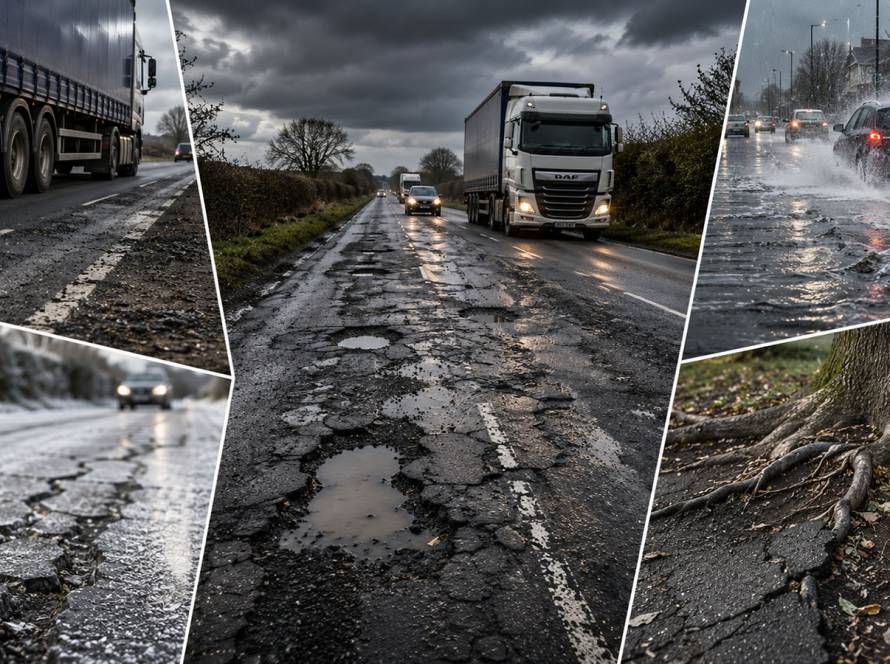
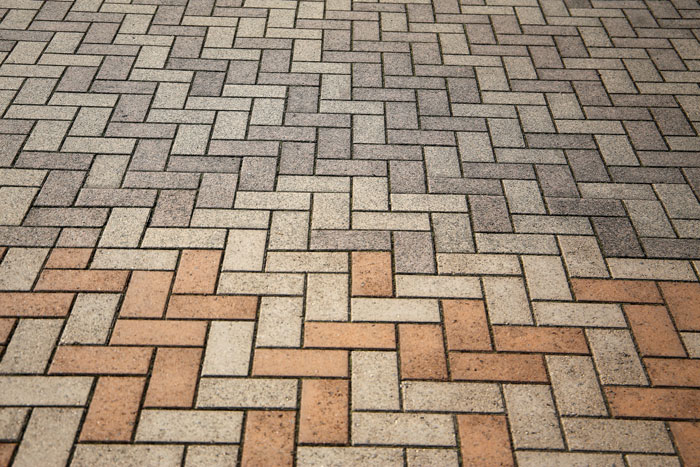
Most people rarely think about the surface beneath their vehicle until problems begin to appear. Cracks, standing water, loose gravel, potholes, and uneven sections often develop gradually, making them easy to ignore until repairs become unavoidable. Whether you manage a commercial premises, own a residential property, or are responsible for a private access road, the type of surface you choose has a direct impact on safety, maintenance costs, and long-term durability.
The reality is that many roads, car parks, driveways, and access routes are surfaced with materials that are not suited to the way they are actually used. A surface that performs perfectly for occasional domestic traffic may quickly deteriorate under regular deliveries, heavy commercial vehicles, or constant daily use. Likewise, an industrial-grade surface may be unnecessary and expensive for lighter applications.
Choosing the right surface is about more than appearance. It is about matching the material, construction method, and foundation to the demands of the site.
Why the Right Surface Matters
Every road or paved area experiences different levels of stress. Vehicle weight, turning movements, weather conditions, drainage, and frequency of use all influence how long a surface will last.
When the wrong solution is installed, the signs usually appear within a few years. Cracking begins to spread, water starts collecting in low areas, and potholes become increasingly common. These defects are rarely caused by the surface material alone. More often, they result from a mismatch between the intended use and the design of the pavement.
A professionally designed surface considers expected traffic volumes, loading requirements, ground conditions, drainage, and future maintenance. When these factors are addressed from the beginning, the finished surface performs reliably for many years.
Different Surfaces Suit Different Applications
Not every project requires the same construction method.
Residential driveways often prioritise appearance, smooth access, and cost-effectiveness. Commercial premises, however, require surfaces capable of handling regular traffic from vans, delivery vehicles, and occasional heavy goods vehicles. Industrial sites demand even greater structural strength due to constant loading and repeated turning movements.
Private roads, estate roads, school grounds, retail parks, and agricultural routes all present unique challenges that require tailored surfacing solutions rather than a one-size-fits-all approach.
Understanding how the area will be used is the first step towards selecting the correct material.
Tarmac Remains One of the UK’s Most Reliable Choices
Tarmac continues to be one of the most widely used surfacing materials throughout the UK because it offers an excellent balance of durability, flexibility, and value.
When installed correctly over a properly prepared sub-base, tarmac provides a smooth finish capable of withstanding changing weather conditions and regular vehicle traffic. It also allows efficient maintenance, making repairs quicker and less disruptive than many alternative surfaces.
Its flexibility enables it to cope better with seasonal temperature changes than more rigid materials, reducing the likelihood of significant cracking over time.
Drainage Can Make or Break a Surface
Even the highest-quality surface will struggle if water cannot drain effectively.
Standing water weakens pavement layers, accelerates deterioration, and increases the risk of pothole formation. Poor drainage also creates safety hazards by reducing grip and encouraging surface erosion.
Good drainage design includes appropriate gradients, suitable drainage channels where required, and careful management of surface water before construction begins.
Ignoring drainage often leads to expensive repairs that could have been avoided during the original installation.
The Foundation Is More Important Than the Finish
Many people judge a surface purely by how it looks on completion, but the visible layer represents only a small part of the finished construction.
The underlying sub-base carries the weight of every vehicle that travels across the surface. If this foundation is poorly compacted or constructed using unsuitable materials, the finished pavement may begin failing long before its expected lifespan.
Professional contractors spend considerable time preparing the ground because proper excavation, compaction, and base construction determine the long-term performance of the finished road or car park.
Although these stages are largely hidden once work is complete, they remain the most important part of the project.
Signs You May Be Driving on the Wrong Surface
There are several warning signs that indicate your existing surface may not be suitable for its current use.
Frequent pothole repairs often suggest that the pavement structure is inadequate rather than simply worn. Persistent standing water usually points to drainage problems or poor levels. Rutting in wheel tracks can indicate insufficient structural strength, while widespread cracking may suggest movement within the foundation.
If repairs become increasingly frequent, replacing isolated defects may no longer be the most cost-effective solution. A professional assessment can determine whether resurfacing or full reconstruction offers better long-term value.
Choosing a Surface That Lasts
Selecting the right surface involves balancing budget, expected traffic, maintenance requirements, drainage, and future expansion.
An experienced surfacing contractor will assess site conditions before recommending a solution rather than applying the same specification to every project. This ensures the pavement is designed specifically for its intended purpose and delivers the best possible lifespan.
Investing in the correct construction from the outset often reduces maintenance costs significantly over the following decades.
Final Thoughts
The surface beneath your vehicle works harder than most people realise. Every journey places stress on the pavement, and over time even small design decisions can have a major impact on performance.
If your road, driveway, commercial yard, or access route is showing signs of deterioration, it may not simply be reaching the end of its life. It could be that the original surface was never the right choice for the demands placed upon it.
Choosing a professionally designed surfacing solution that reflects real-world usage helps create safer, longer-lasting, and more cost-effective roads that continue performing well for years to come.