Drain covers play an essential role in keeping roads, car parks, industrial estates, commercial premises and residential developments safe. They provide secure access to underground drainage systems while supporting the weight of vehicles and pedestrians travelling across the surface. When correctly installed and maintained, a drain cover should sit flush with the surrounding surface, allowing water to flow efficiently into the drainage system without creating hazards.
Although drain covers are designed for durability, they are constantly exposed to traffic loading, weather conditions and environmental changes. Over time, these factors gradually reduce their performance, making them more likely to become unstable or damaged if maintenance is overlooked.
How Age Affects Drain Covers
Even high-quality drainage components have a finite lifespan. Every vehicle passing over a drain cover creates pressure on both the cover and the surrounding frame. In busy locations such as commercial estates, distribution centres and access roads, this repeated loading eventually causes movement.
As movement develops, the surrounding surfacing begins to weaken. Small gaps can appear between the frame and the road surface, allowing water to penetrate beneath the pavement. Once moisture reaches the underlying layers, erosion and settlement become increasingly likely.
The deterioration is often gradual, meaning problems may go unnoticed until the drain cover begins rocking under traffic or becomes visibly uneven.
The Impact of Heavy Traffic
Heavy goods vehicles place significantly greater loads on drainage infrastructure than passenger vehicles. Every braking, turning or accelerating manoeuvre transfers additional forces directly onto drain covers and their supporting frames.
Sites that experience regular HGV traffic, including industrial parks, retail service yards and logistics facilities, are particularly susceptible to accelerated wear. The repeated impact gradually loosens the bedding material beneath the frame, causing movement that worsens with every passing vehicle.
Where traffic volumes are consistently high, routine inspections are essential to identify early signs of deterioration before they become serious safety concerns.
Water Ingress Accelerates Damage
Water is one of the most damaging factors affecting drain covers. Once cracks develop around the frame, rainwater can penetrate beneath the surrounding surface.
This moisture gradually washes away supporting material beneath the frame, reducing its stability. During colder months, freeze-thaw cycles can further expand small cracks, increasing movement and weakening the surrounding pavement.
Poor drainage can also leave standing water around the cover, making it more difficult to identify developing defects while accelerating deterioration of both the drainage structure and adjacent surfacing.
Signs That a Drain Cover Is Becoming Dangerous
Many failing drain covers provide warning signs before they become a significant hazard. Drivers may notice a rattling sound when vehicles pass over the cover, while pedestrians may feel movement beneath their feet.
Visible cracks around the frame often indicate that the surrounding surface is beginning to fail. Uneven levels between the drain cover and the road surface can also create trip hazards and increase impact loads from passing vehicles.
In more advanced cases, the cover may rock noticeably under traffic or sink below the surrounding surface, creating a dangerous depression that can damage vehicles and pose risks to cyclists and pedestrians.
Ignoring these early indicators allows deterioration to continue, often resulting in more extensive repairs later.
Why Loose Drain Covers Present Safety Risks
Loose or damaged drain covers can affect both public safety and property.
Vehicles striking unstable covers experience repeated impacts that may contribute to suspension damage, tyre wear and steering issues. Cyclists and motorcyclists are particularly vulnerable, as uneven covers can reduce stability and increase the risk of accidents.
Pedestrians also face increased risks where covers become uneven or begin to rock underfoot. In commercial environments, these hazards may expose property owners or site managers to liability if injuries occur due to inadequate maintenance.
Maintaining safe drainage infrastructure therefore forms an important part of overall site management.
The Importance of Correct Installation
Many long-term problems originate during installation rather than from the drain cover itself.
If the supporting frame is not correctly bedded or the surrounding surfacing is inadequately compacted, movement may develop far sooner than expected. Similarly, selecting a cover with an insufficient load rating for the intended traffic can lead to premature failure.
Professional installation ensures that both the drainage structure and surrounding pavement work together as a single stable system capable of withstanding expected traffic loads over many years.
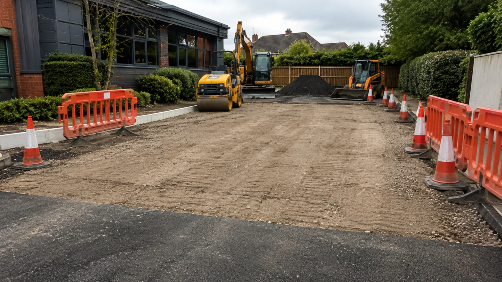
Where resurfacing work is being carried out, integrating drainage improvements at the same time often delivers the best long-term performance. Professional tarmac installation helps ensure that drainage features remain properly supported within the finished surface.
Regular Maintenance Prevents Escalating Problems
Routine inspections allow developing defects to be identified before they become expensive repairs.
Checking for movement, cracks, settlement and surface deterioration helps maintenance teams intervene while repairs remain relatively straightforward. Cleaning drainage systems also prevents blockages that can increase water retention around covers.
Prompt repairs reduce the likelihood of emergency failures, minimise disruption and extend the service life of both the drainage system and surrounding pavement.
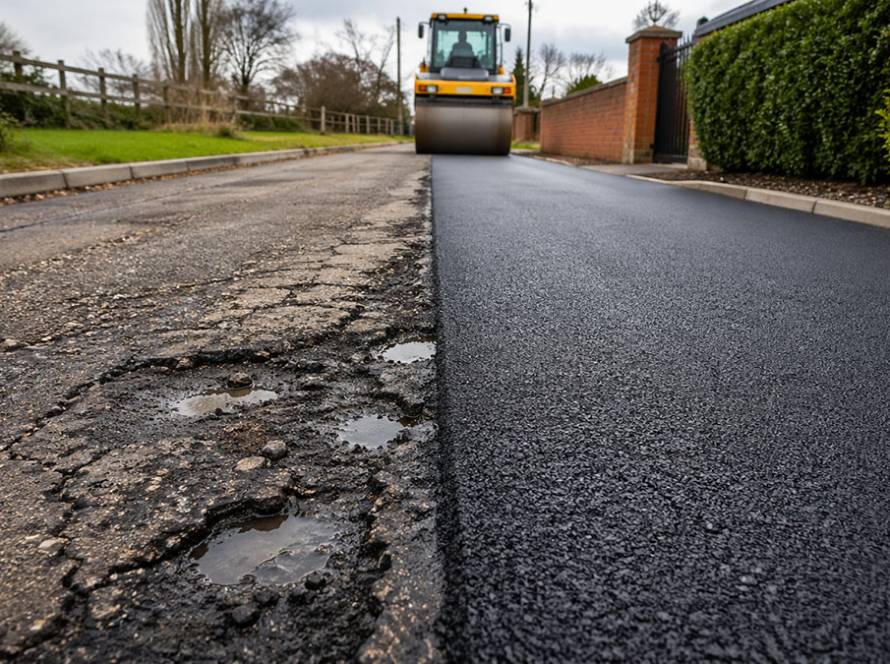
Where potholes or surface defects begin forming around drainage structures, addressing them quickly prevents additional movement. Early pothole repairs often prevent more extensive reconstruction becoming necessary.
When Replacement Is the Best Option
Not every damaged drain cover can be repaired effectively. Severely worn covers, fractured frames or extensive surrounding pavement failure may require complete replacement.
Replacing the entire assembly allows engineers to rebuild the supporting structure correctly while ensuring the new cover is suitable for the site’s traffic requirements.
Although replacement represents a greater initial investment, it frequently delivers better long-term value than repeated temporary repairs that fail to address the underlying cause of movement.
Protecting Roads and Commercial Sites
Drain covers are a relatively small component of any road or paved surface, yet their condition has a significant influence on safety, drainage performance and overall pavement durability. Regular inspections, prompt maintenance and professional installation all help reduce the likelihood of dangerous drain covers developing over time.
For commercial property owners, local authorities and site managers, proactive maintenance protects both infrastructure and public safety while reducing the long-term cost of repairs. Addressing small defects early ensures drainage systems continue performing efficiently and helps maintain safe, durable surfaces for everyone using the site.