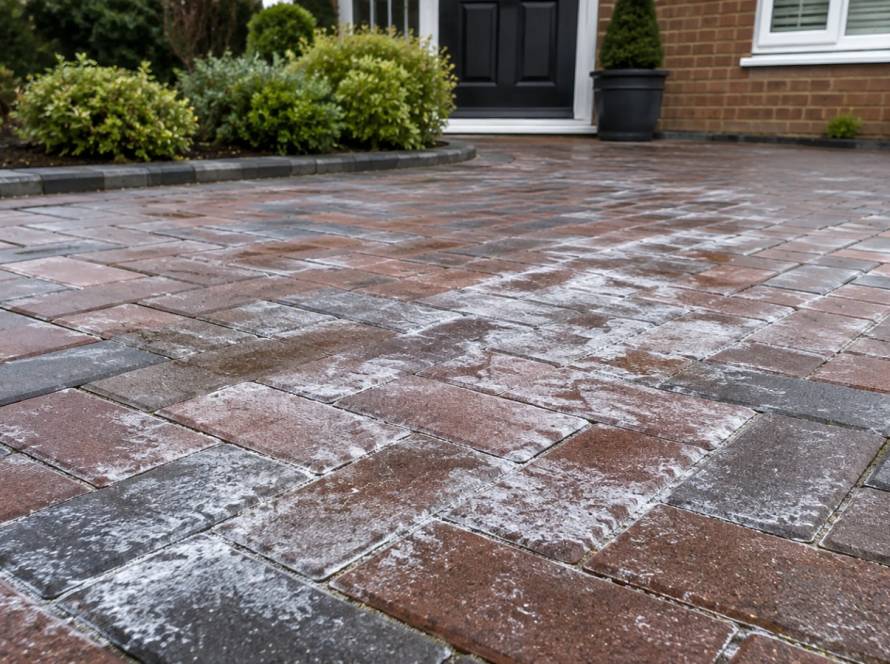
Weather conditions play a critical role in the success and longevity of any road surfacing project in the UK. From temperature fluctuations to rainfall and seasonal changes, environmental factors directly influence how materials behave during installation and how well the finished surface performs over time.
For property owners and site managers, understanding the road surfacing weather impact UK projects face is essential for planning work effectively. Choosing the right time for resurfacing can significantly improve durability, reduce future maintenance, and ensure a smoother, more reliable finish.
Why Weather Matters in Road Surfacing
Road surfacing is a process that depends heavily on material behaviour during application. Materials such as tarmac and asphalt require specific temperature ranges and dry conditions to bond correctly and cure as intended.
When weather conditions are unsuitable, the integrity of the surface can be compromised from the outset. This often leads to issues such as premature cracking, uneven finishes, or reduced load-bearing capacity. Professional tarmac installation takes these factors into account, ensuring that work is carried out under conditions that support long-term performance.
The Impact of Temperature on Road Surfacing
Cold Weather Challenges
Low temperatures are one of the most significant challenges in UK road surfacing. When temperatures drop, tarmac and asphalt cool more quickly, reducing the time available for proper compaction. This can result in a weaker bond between layers and a surface that is more prone to defects.
In colder conditions, the materials may not reach the optimal working temperature required for effective installation. This increases the likelihood of surface irregularities and reduces overall durability.
Warm Weather Advantages
Moderate warmth provides the ideal environment for road surfacing. Materials remain workable for longer, allowing contractors to achieve proper compaction and a consistent finish. This leads to stronger surfaces that can better withstand traffic and environmental stress.
However, excessively high temperatures can also create challenges, particularly if surfaces become too soft during installation. This is why experienced contractors carefully manage timing and techniques to maintain quality.
The Effects of Rain and Moisture
Surface Water and Bonding Issues
Rain is one of the most disruptive factors in road surfacing projects. Moisture prevents proper bonding between layers, which is essential for structural integrity. If water is present during installation, it can become trapped beneath the surface, leading to long-term issues such as weakening and eventual failure.
This is why surfacing work is rarely carried out during active rainfall. Even light rain can affect the outcome, particularly during critical stages of the process.
Long-Term Water Damage
Beyond installation, ongoing exposure to water can significantly impact road performance. Poor drainage allows water to accumulate, which weakens the sub-base and accelerates surface deterioration. Over time, this can lead to cracks, potholes, and structural instability.
In cases where water damage has already occurred, targeted solutions such as pothole repairs help restore the surface and prevent further degradation.
Seasonal Considerations for Road Surfacing
Winter Limitations
Winter is generally the least suitable time for road surfacing in the UK. Low temperatures, increased rainfall, and the risk of frost all contribute to challenging working conditions. Frost, in particular, can affect both the ground and the materials, making it difficult to achieve a stable and durable surface.
While emergency repairs may still be necessary during winter months, full resurfacing projects are typically avoided unless conditions are carefully controlled.
Spring Opportunities
Spring offers improving conditions, with rising temperatures and reduced frost risk. However, it can still present challenges due to unpredictable rainfall. Careful planning is required to take advantage of suitable weather windows while avoiding disruptions.
Summer Conditions
Summer is often considered the best time for road surfacing. Warmer temperatures and longer daylight hours provide ideal conditions for installation. Materials perform optimally, and contractors have greater flexibility in scheduling work.
For large-scale projects, such as those involving commercial surfacing road surfacing, summer allows for efficient completion with minimal risk of weather-related delays.
Autumn Considerations
Autumn can still be a viable period for resurfacing, particularly in early months when temperatures remain moderate. However, increasing rainfall and shorter days can begin to impact project timelines and quality.
Planning work early in the season helps maximise the benefits of favourable conditions before winter approaches.
Ground Conditions and Weather Interaction
Weather does not only affect surface materials but also the condition of the ground beneath. Wet or saturated ground can compromise the stability of the sub-base, leading to uneven settlement and reduced load-bearing capacity.
Proper preparation is essential to ensure that the ground is suitable for surfacing work. This includes assessing moisture levels and ensuring adequate drainage before installation begins. Using professional methods such as machine lay tarmac helps maintain consistency even when conditions are less than ideal.
The Best Time to Resurface in the UK
Taking all factors into account, late spring through early autumn is generally the most suitable period for road resurfacing in the UK. During this time, temperatures are more stable, and the likelihood of prolonged dry conditions is higher.
This window allows materials to be applied and compacted effectively, resulting in a stronger and more durable surface. It also reduces the risk of delays caused by adverse weather, helping projects stay on schedule.
For property owners, planning resurfacing during these months provides the best chance of achieving long-lasting results with minimal disruption.
Planning Around Weather for Better Results
Successful road surfacing is not just about choosing the right season but also about careful day-to-day planning. Contractors monitor weather forecasts closely to identify optimal working periods and avoid conditions that could compromise quality.
Flexibility is key, particularly in the UK where weather can change quickly. Allowing contingency time within project schedules helps ensure that work is carried out under the best possible conditions.
Engaging experienced professionals through services such as our services ensures that weather considerations are managed effectively throughout the project.
Long-Term Benefits of Weather-Aware Surfacing
Investing in weather-aware planning delivers clear long-term benefits. Surfaces installed under suitable conditions are more resistant to wear, require less maintenance, and provide a better overall user experience.
This approach also reduces the likelihood of early failures, which can be costly and disruptive to repair. By prioritising the right timing and conditions, property owners can maximise the lifespan of their investment.
In environments where access roads are critical to daily operations, reliable performance is essential. Weather-aware surfacing helps ensure that these routes remain safe and functional throughout the year.
Conclusion
The road surfacing weather impact UK projects face cannot be overlooked. Temperature, rainfall, and seasonal changes all influence the quality and durability of the finished surface. Understanding these factors allows property owners and site managers to plan resurfacing work more effectively.
Late spring and summer generally offer the best conditions for achieving strong, long-lasting results. However, careful planning and professional execution remain essential regardless of the season.
By aligning surfacing projects with favourable weather conditions and working with experienced contractors, it is possible to deliver roads that perform reliably and stand the test of time.