Sustainability has become a major consideration in construction and infrastructure projects across the United Kingdom. As developers face increasing pressure to reduce environmental impact while maintaining performance and compliance standards, low-carbon road surfacing is emerging as an important solution. From residential developments and commercial estates to industrial facilities and mixed-use schemes, the way roads are designed and constructed now plays a significant role in achieving wider environmental objectives.
Low-carbon road surfacing UK solutions focus on reducing greenhouse gas emissions throughout the lifecycle of a road. This includes the sourcing of raw materials, manufacturing processes, transportation, installation methods, maintenance requirements, and eventual replacement. By making informed choices during the planning stage, developers can significantly reduce the carbon footprint associated with access roads, car parks, service yards, and internal road networks.
Understanding Carbon Emissions in Road Construction
Road construction generates carbon emissions through several stages of the process. Traditional asphalt and surfacing materials require energy-intensive production methods that consume large amounts of fuel and natural resources. The extraction of aggregates, heating of bituminous materials, transportation of materials to site, and use of heavy machinery all contribute to overall emissions.
For developers, understanding where these emissions originate is the first step towards reducing them. Modern surfacing contractors are increasingly adopting practices that minimise environmental impact without compromising durability or performance. The focus is no longer solely on initial installation costs but also on the long-term environmental and operational benefits of sustainable surfacing solutions.
The Role of Material Selection
Material selection is one of the most influential factors in low-carbon road surfacing. Advances in the industry have created opportunities to use recycled and reclaimed materials that reduce dependence on virgin aggregates and bitumen.
Reclaimed asphalt pavement, commonly known as RAP, is increasingly incorporated into new surfacing projects. This process allows existing materials to be reused, reducing waste while lowering the demand for newly extracted resources. In many applications, recycled materials can provide performance characteristics comparable to conventional alternatives when properly specified and installed.
Developers should also consider the source of aggregates used within the project. Locally sourced materials can reduce transportation distances, helping to lower associated emissions while supporting regional supply chains.
Warm Mix Asphalt and Carbon Reduction
One of the most significant innovations in road surfacing is the introduction of warm mix asphalt technologies. Traditional hot mix asphalt requires high production temperatures, resulting in considerable energy consumption during manufacturing.
Warm mix asphalt can be produced and laid at lower temperatures while maintaining performance standards suitable for many applications. The reduced energy requirements lead directly to lower carbon emissions and can also improve working conditions on site.
For developers pursuing sustainability targets, warm mix asphalt offers an opportunity to reduce embodied carbon without requiring major changes to project design or construction practices. When combined with recycled materials, the environmental benefits can be even greater.
Designing Roads for Longevity
A low-carbon road is not simply one that produces fewer emissions during construction. Long-term durability is equally important because roads that require frequent repairs or premature replacement ultimately generate additional environmental impacts.
Proper design plays a critical role in extending surface life. Factors such as expected traffic loads, drainage requirements, sub-base quality, and environmental conditions must all be carefully assessed during the planning stage.
Investing in quality design and construction often results in reduced maintenance requirements over the lifespan of the road. This means fewer repair interventions, lower material consumption, reduced machinery use, and less disruption to site operations.
Developers can benefit from working with specialists in commercial road surfacing who understand how to balance sustainability objectives with long-term performance requirements.
Drainage and Environmental Performance
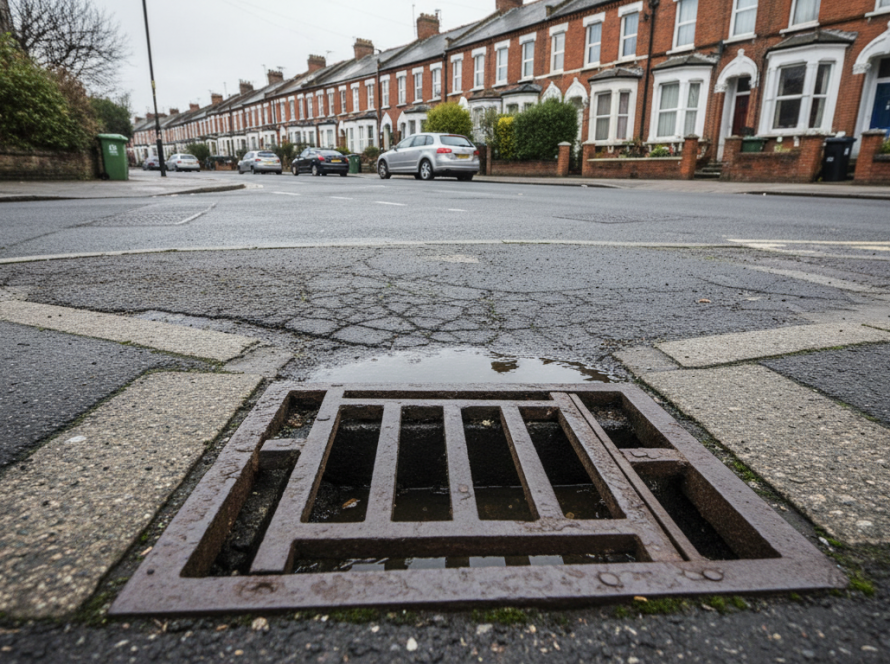
Drainage has a significant impact on both road longevity and environmental performance. Poor drainage can accelerate surface deterioration, leading to potholes, cracking, and structural failures that require additional maintenance.
Effective drainage systems help manage surface water while protecting the integrity of the pavement structure. Sustainable drainage approaches can also contribute to broader environmental goals by reducing runoff and improving water management across a development.
When roads remain structurally sound for longer periods, the need for carbon-intensive repair works is reduced. This demonstrates how sustainability and durability often work together rather than competing against one another.
Reducing Carbon Through Efficient Construction Methods
Construction methodology has a direct influence on a project’s environmental impact. Efficient planning can reduce vehicle movements, minimise equipment idle times, and optimise material deliveries.
Modern installation techniques have improved productivity while reducing waste generation. The use of advanced paving equipment allows contractors to achieve consistent results with greater efficiency, helping to lower fuel consumption and reduce overall emissions.
Large-scale developments often benefit from specialist solutions such as machine lay tarmac, which can improve installation efficiency and reduce the time required to complete surfacing works.
Careful scheduling also contributes to sustainability. By coordinating construction activities effectively, developers can minimise delays and avoid unnecessary resource consumption.
Meeting Sustainability Targets and Planning Requirements
Environmental considerations are becoming increasingly important within planning applications and development frameworks. Local authorities, investors, and stakeholders are placing greater emphasis on sustainability performance throughout the development process.
Low-carbon road surfacing can contribute towards broader sustainability objectives by supporting carbon reduction strategies and environmental reporting requirements. Demonstrating a commitment to sustainable construction practices may also enhance the reputation of a development and improve its appeal to occupiers and investors.
As sustainability standards continue to evolve, developers who adopt environmentally responsible practices early may be better positioned to meet future regulatory requirements.
The Importance of Maintenance Planning
Maintenance strategies are often overlooked when discussing carbon reduction. However, proactive maintenance can significantly extend pavement life and reduce the environmental impact associated with major reconstruction projects.
Regular inspections allow issues to be identified before they become extensive structural failures. Small defects can often be addressed quickly and efficiently, preventing more substantial repairs in the future.
Services such as pothole repairs help preserve road integrity while avoiding the need for larger interventions that require greater material usage and energy consumption.
A well-maintained road network not only supports sustainability objectives but also improves safety and operational reliability across a development.
Balancing Cost and Sustainability
Some developers assume that sustainable surfacing solutions automatically result in higher project costs. While certain low-carbon technologies may involve additional upfront investment, it is important to consider whole-life costs rather than focusing solely on initial expenditure.
Roads that last longer and require fewer repairs can deliver significant savings over their operational lifespan. Reduced maintenance, fewer disruptions, and lower material replacement requirements often offset higher initial costs.
In many cases, sustainable surfacing choices provide economic and environmental benefits simultaneously. The key is selecting solutions that are appropriate for the specific demands of the development.
Working with Experienced Surfacing Contractors
Achieving meaningful carbon reductions requires more than simply choosing environmentally friendly materials. Success depends on integrating sustainability considerations throughout design, procurement, installation, and maintenance.
Experienced contractors can provide guidance on material selection, construction methods, and lifecycle performance. They can also identify opportunities to reduce waste, improve efficiency, and support wider sustainability goals without compromising quality.
Developers exploring low-carbon surfacing options should seek contractors with proven experience in delivering durable infrastructure projects. Reviewing previous projects through a contractor’s project portfolio can provide valuable insight into their capabilities and approach.
The Future of Low-Carbon Road Surfacing in the UK
The road surfacing sector continues to evolve as new technologies, materials, and environmental standards emerge. Increased use of recycled materials, lower-temperature production techniques, digital construction methods, and carbon assessment tools are all helping to reduce the environmental impact of infrastructure development.
As net-zero commitments become more prominent across both public and private sectors, demand for low-carbon road surfacing UK solutions is likely to increase. Developers who understand these trends and incorporate sustainable practices into their projects today will be better positioned to meet future expectations.
Low-carbon road surfacing is no longer a niche consideration. It is becoming an essential part of responsible development, helping to create infrastructure that supports environmental objectives while delivering the durability, safety, and performance that modern developments require.