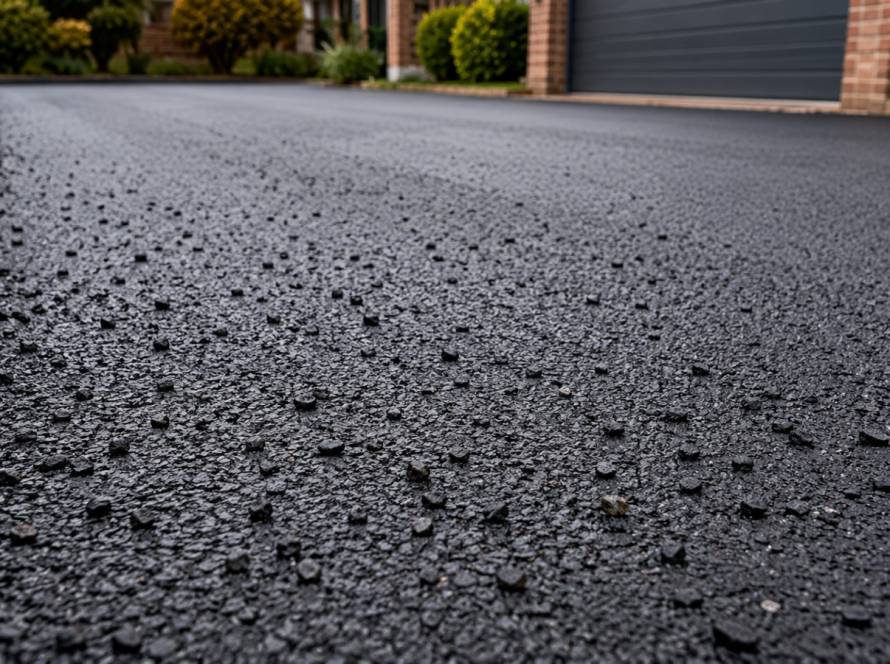
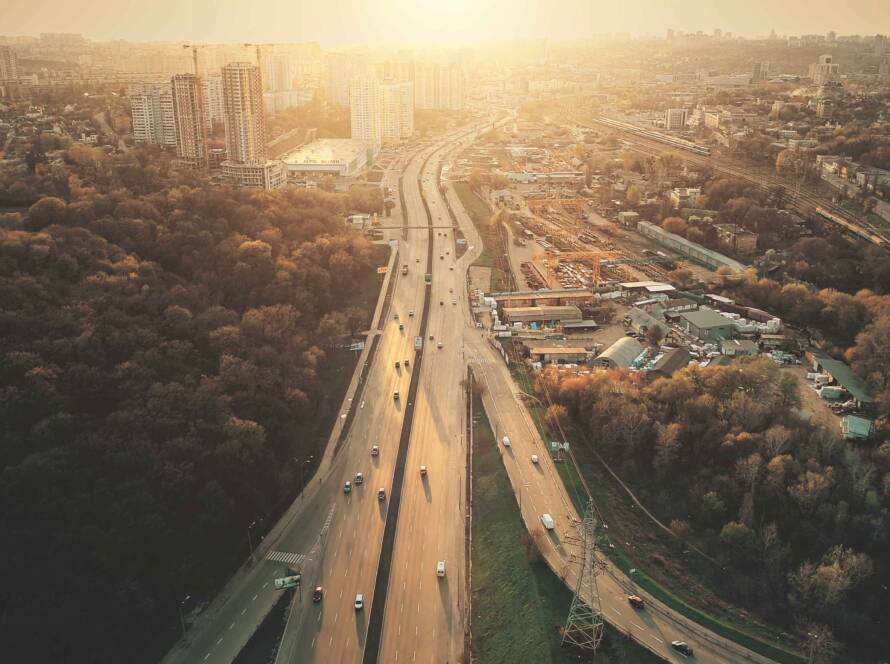
Weather has always played a role in road construction across the UK, but in 2026 its influence is more pronounced than ever. Increasing rainfall, more frequent temperature fluctuations, and a rise in extreme weather events are forcing contractors, developers, and site managers to rethink how roads are designed and built. For property owners and commercial site operators, this shift has direct implications for cost, durability, and long-term maintenance.
Modern surfacing is no longer just about creating a smooth finish. It now requires a deeper understanding of environmental pressures and how materials respond to changing conditions. As a result, construction methods are evolving to ensure that roads remain safe, functional, and cost-effective over time.
The Changing Nature of UK Weather
Increased Rainfall and Surface Water Challenges
One of the most significant changes in UK weather patterns is the increase in sustained and intense rainfall. Prolonged wet periods place considerable strain on road surfaces, particularly where drainage systems are inadequate or poorly designed.
Water infiltration is one of the leading causes of surface deterioration. When water penetrates the upper layers of a road, it weakens the structure beneath, leading to cracking, potholes, and eventual failure. This is why modern projects increasingly prioritise effective drainage integration alongside surface installation.
Contractors are now placing greater emphasis on solutions such as camber design, permeable edges, and integrated drainage channels. These features help manage water flow more effectively and reduce the risk of standing water, which can accelerate wear and compromise safety.
Temperature Fluctuations and Material Stress
In addition to rainfall, temperature variability is creating new challenges. The UK is experiencing more frequent freeze-thaw cycles during colder months, combined with warmer summers that can soften certain materials.
These fluctuations cause expansion and contraction within the road structure. Over time, this movement can lead to cracking, deformation, and loss of surface integrity. To counter this, modern surfacing methods are focusing on flexible materials and improved binding agents that can withstand repeated stress without breaking down.
This shift has made professional tarmac installation increasingly important, as proper material selection and application techniques are essential for maintaining performance under variable conditions.
Extreme Weather Events and Structural Resilience
Storms and extreme weather events are becoming more common, bringing heavy rainfall, strong winds, and sudden temperature changes. These conditions can rapidly expose weaknesses in poorly constructed roads.
As a result, resilience is now a key consideration in road design. Contractors are adopting more robust construction methods, including thicker surface layers, reinforced sub-bases, and improved compaction techniques. These measures help ensure that roads can withstand sudden environmental stress without immediate failure.
How Road Construction Methods Are Evolving
Improved Sub-Base Preparation
The foundation of any road is its sub-base, and changing weather conditions have made this layer more critical than ever. A well-prepared sub-base provides stability, supports load distribution, and prevents water accumulation.
In 2026, there is a stronger focus on high-quality aggregates, proper grading, and effective compaction. These elements work together to create a stable platform that resists movement and reduces the risk of surface defects.
Contractors working on commercial surfacing projects are particularly attentive to sub-base quality, as these environments often experience heavy traffic and require long-term reliability.
Advanced Drainage Integration
Drainage is no longer treated as a secondary consideration. Instead, it is integrated into the overall design from the outset. Modern road construction incorporates features that actively manage water rather than simply divert it.
This includes the use of drainage channels, soakaways, and carefully designed gradients that guide water away from the surface. In some cases, permeable materials are used to allow water to pass through the surface layer and be absorbed safely into the ground below.
Effective drainage not only protects the road structure but also improves safety by reducing the risk of standing water and surface flooding.
Use of Durable and Flexible Materials
Material innovation is playing a key role in adapting to changing weather conditions. Traditional materials are being enhanced with additives that improve flexibility, durability, and resistance to temperature changes.
Modern tarmac, for example, is designed to remain stable in both hot and cold conditions. It can accommodate slight movement without cracking, making it ideal for environments where temperature fluctuations are common.
Machine-laid applications are also becoming more widespread, as they ensure consistent thickness and compaction. This precision is particularly valuable in challenging weather conditions, where uneven surfaces are more likely to fail. Services such as machine lay tarmac are therefore increasingly in demand for both commercial and private projects.
The Impact on Maintenance and Repairs
Increased Demand for Preventative Maintenance
As weather conditions become more unpredictable, preventative maintenance is gaining importance. Rather than waiting for visible damage to occur, property owners and site managers are taking a more proactive approach.
Regular inspections help identify early signs of wear, such as minor cracks or drainage issues, before they develop into more serious problems. Addressing these issues promptly can significantly extend the lifespan of a road and reduce overall maintenance costs.
Faster Response to Surface Damage
Despite improvements in construction methods, no road is completely immune to damage. When issues do arise, rapid response is essential to prevent further deterioration.
Services such as pothole repairs are now a critical part of road management strategies. Quick intervention not only restores the surface but also prevents water from entering the structure and causing more extensive damage.
Long-Term Cost Considerations
While the initial cost of weather-resistant construction methods may be higher, they often result in significant savings over time. Roads that are built to withstand modern weather conditions require less frequent repairs and experience fewer disruptions.
For commercial sites, this translates into improved operational efficiency and reduced downtime. For property owners, it means greater peace of mind and better value over the lifespan of the surface.
Implications for Property Owners and Site Managers
Planning for Future Conditions
When planning new road construction or resurfacing projects, it is essential to consider not just current conditions but also future weather trends. This forward-thinking approach ensures that the investment remains viable in the long term.
Working with experienced contractors who understand these challenges is key. By incorporating modern design principles and materials, it is possible to create surfaces that perform reliably even as conditions continue to evolve.
Balancing Cost and Performance
Budget considerations are always important, but focusing solely on initial cost can lead to higher expenses in the future. Investing in quality materials and professional installation reduces the likelihood of early failure and costly repairs.
Exploring previous projects through a portfolio of completed surfacing work can provide valuable insight into the level of quality and durability that can be achieved with the right approach.
Ensuring Compliance and Safety
Changing weather conditions also influence regulatory requirements and safety standards. Roads must be designed and constructed to meet these standards while providing safe access for vehicles and pedestrians.
This includes considerations such as skid resistance, drainage efficiency, and structural integrity. Ensuring compliance not only protects users but also helps avoid potential liabilities.
Conclusion
The way roads are built in the UK is undergoing a significant transformation, driven largely by changing weather patterns. Increased rainfall, temperature fluctuations, and more frequent extreme events are reshaping construction practices and material choices.
For property owners and commercial site managers, understanding these changes is essential. By adopting modern surfacing methods, prioritising drainage, and investing in durable materials, it is possible to create roads that stand up to the challenges of 2026 and beyond.
Ultimately, the goal is not just to build roads that look good on completion, but to ensure they remain safe, functional, and cost-effective throughout their lifespan.