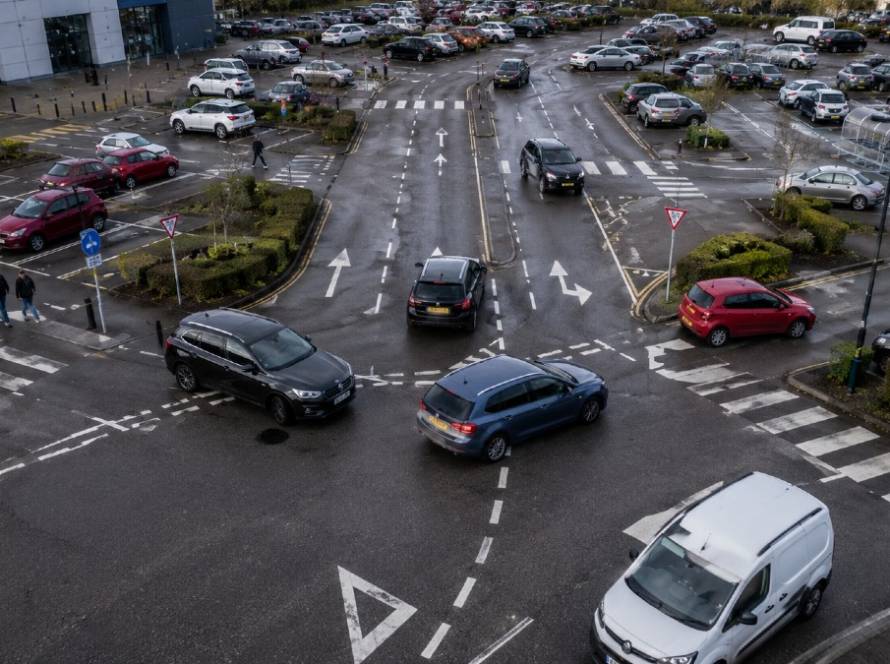
Asphalt is widely used across the UK for commercial access roads, car parks, private roads and industrial surfaces because of its strength, durability and ability to withstand regular traffic. However, even a professionally installed asphalt surface can deteriorate prematurely when moisture becomes trapped beneath it.
One of the most common causes of asphalt deterioration is water accumulating within the underlying construction layers. Although the surface may initially appear smooth and structurally sound, moisture beneath the asphalt can gradually weaken its foundations, reduce load-bearing capacity and contribute to cracking, settlement and pothole formation.
Understanding how trapped moisture damages asphalt from beneath is particularly important for commercial property owners, facilities managers and those responsible for maintaining access roads.
By recognising the causes of moisture-related deterioration and ensuring that drainage and ground preparation are properly addressed, property owners can significantly improve the long-term performance of their asphalt surfaces.
Why Moisture Beneath Asphalt Is a Serious Problem
Asphalt surfaces are designed to distribute vehicle loads through several supporting layers. These typically include the asphalt surface course, binder course where required, granular sub-base and the underlying ground, commonly referred to as the subgrade.
Each layer plays an important role in maintaining the stability of the finished surface.
When water enters these layers and cannot drain away effectively, the structural performance of the pavement can be compromised.
Moisture can soften certain subgrade soils, reduce the effectiveness of granular materials and create conditions in which repeated vehicle loading causes movement beneath the asphalt.
Over time, this movement may become visible through cracking, depressions and surface deformation.
Unlike surface wear caused by traffic or weather exposure, moisture-related deterioration often begins below ground level. This means the underlying problem may develop for months before obvious defects appear.
For commercial sites, identifying these problems early is essential because continued vehicle use can accelerate structural damage.
How Water Becomes Trapped Beneath Asphalt
Water can reach the underlying layers of an asphalt surface through several routes.
Although properly constructed asphalt is relatively resistant to water penetration, it is not completely impermeable, particularly when cracks, joints or construction defects are present.
Water Entering Through Surface Cracks
Small cracks provide a direct route for rainwater to penetrate beneath the asphalt.
During periods of heavy rainfall, water can travel through these openings into the binder course, sub-base and underlying ground.
Once moisture enters the pavement structure, it may remain trapped if the surrounding materials have limited drainage capacity.
As traffic passes over the affected area, pressure and movement can encourage further cracking, allowing additional water to enter.
This creates a progressive cycle in which surface damage increases moisture penetration, while trapped moisture accelerates structural deterioration.
Poor Surface Drainage
Incorrect surface gradients are another common cause of moisture-related asphalt problems.
Roads, car parks and access routes should be designed to direct rainfall towards suitable drainage outlets.
Where the finished surface contains low spots or insufficient falls, standing water can accumulate.
Persistent ponding increases the opportunity for moisture to enter through cracks, joints and other vulnerable areas.
On commercial premises, this problem is particularly noticeable around loading bays, turning areas and sections of road that experience regular heavy vehicle movements.
Inadequate Sub-Base Drainage
Even when rainwater is successfully removed from the asphalt surface, moisture can still accumulate within the supporting layers.
This may occur when the sub-base is constructed using unsuitable materials or when surrounding ground conditions prevent water from escaping.
A granular sub-base can provide structural support while allowing some movement of water through interconnected voids. However, this does not guarantee that water can leave the pavement structure.
If the sub-base is surrounded by poorly draining soil or has no effective drainage outlet, moisture may remain beneath the asphalt for extended periods.
This is why drainage considerations should form part of the initial design rather than being treated solely as a surface-level issue.
How Trapped Moisture Weakens the Asphalt Foundation
The most serious consequences of trapped moisture often occur within the materials supporting the asphalt.
A road surface relies on the combined strength of its layers to distribute traffic loads safely.
When one or more of these layers lose stability, the pavement becomes more vulnerable to deformation and cracking.
Loss of Subgrade Strength
The subgrade is the natural or prepared ground beneath the pavement construction.
Its strength depends on several factors, including soil composition, compaction and moisture content.
Certain soils, particularly those containing significant amounts of clay or fine particles, can become weaker when excessively wet.
As moisture levels increase, the soil may lose some of its ability to support the loads transferred through the asphalt.
Heavy vehicles can then cause small movements within the weakened ground.
Over time, repeated loading may produce settlement, cracking or permanent deformation at the surface.
Movement Within the Sub-Base
The sub-base is intended to provide a stable platform for the asphalt layers.
When water becomes trapped within this material, repeated traffic loading can cause movement and redistribution of fine particles.
In some circumstances, water pressure generated by vehicle loads can contribute to the movement of moisture and fine material through cracks or joints.
This process is often referred to as pumping.
As supporting material is displaced, small voids may develop beneath the asphalt.
These voids reduce the uniform support available to the surface, increasing the likelihood of cracking and localised failure.
Reduced Load-Bearing Performance
An asphalt pavement performs best when vehicle loads are distributed across a stable and adequately compacted foundation.
Moisture-related weakening reduces the ability of the supporting layers to perform this function.
Consequently, the asphalt may experience greater bending and movement under traffic.
For roads used by delivery vehicles, refuse collection lorries and heavy goods vehicles, this can become a significant maintenance concern.
Professional commercial road surfacing should therefore consider ground conditions, expected traffic loads and drainage requirements together.
Common Signs of Moisture Damage Beneath Asphalt
Because moisture-related deterioration often begins below the surface, identifying early warning signs is important.
Visible defects do not always confirm that trapped water is responsible, but certain patterns can indicate that further investigation is required.
Cracking Across the Asphalt Surface
Cracking is one of the earliest visible signs of pavement distress.
When the foundation becomes weakened by moisture, the asphalt may flex excessively under vehicle loads.
Repeated movement can produce interconnected cracks, particularly in areas subjected to regular traffic.
These cracks can subsequently allow more water to penetrate the pavement structure.
Without appropriate intervention, the affected area may continue to deteriorate.
Pothole Formation
Potholes frequently develop where cracking, moisture penetration and repeated traffic loading occur together.
Water entering the pavement can weaken supporting materials and contribute to the loss of structural stability.
As vehicles pass over the affected section, loose asphalt material may gradually break away.
Eventually, a cavity forms in the road surface.
Professional pothole repairs can restore damaged sections, but recurring potholes may indicate a deeper drainage or foundation problem.
Where underlying moisture remains unresolved, surface repairs alone may provide only temporary improvement.
Surface Depressions and Settlement
Localised depressions can develop when the supporting ground loses strength or becomes displaced.
These areas may initially appear as shallow indentations in the asphalt.
Over time, they can become more pronounced, particularly where heavy vehicles regularly travel or remain stationary.
Depressions can also collect rainwater, increasing the risk of further moisture penetration.
This combination of settlement and ponding can accelerate deterioration if corrective work is delayed.
Rutting and Surface Deformation
Rutting refers to permanent depressions that develop along vehicle wheel paths.
Although rutting can result from several causes, including unsuitable asphalt mixtures or inadequate compaction, weakened supporting layers can contribute to the problem.
When moisture reduces foundation strength, repeated vehicle loading may cause progressive deformation.
This is particularly relevant to commercial access roads, industrial estates and loading areas where vehicles frequently follow the same routes.
Why UK Weather Conditions Increase Moisture Risks
The UK climate presents particular challenges for asphalt drainage and long-term pavement performance.
Frequent rainfall, prolonged wet periods and seasonal temperature changes can all influence moisture conditions within the ground.
Persistent Rainfall and Saturated Ground
During extended periods of rainfall, surrounding soils may become saturated.
When the ground is already holding substantial amounts of water, additional rainfall may drain away slowly.
This can increase moisture levels beneath roads and car parks, especially where the pavement is constructed over poorly draining soil.
Low-lying sites and areas with limited drainage infrastructure can be particularly vulnerable.
Freeze-Thaw Conditions
During colder weather, water within cracks and pavement materials may freeze.
As water freezes, it expands and can contribute to the widening of existing cracks.
When temperatures rise, the ice melts, allowing water to move further into vulnerable areas.
Repeated freezing and thawing can therefore accelerate deterioration in already damaged pavement structures.
Although freeze-thaw conditions vary across the UK, they remain an important consideration for exposed roads and surfaces in colder regions.
Seasonal Ground Movement
Changes in soil moisture can also influence pavement stability.
Some clay-rich soils expand when wet and shrink as they dry.
This movement may affect the support provided beneath asphalt surfaces.
Where drainage is inadequate, repeated changes in ground moisture can contribute to uneven movement and cracking.
Understanding local ground conditions is therefore an important part of planning durable asphalt construction.
The Importance of Proper Ground Preparation
Preventing trapped moisture begins before the asphalt is installed.
Ground preparation establishes the structural foundation of the pavement and provides an opportunity to address unsuitable soils, drainage limitations and potential settlement risks.
Assessing Existing Ground Conditions
Before surfacing work begins, the underlying ground should be assessed to determine whether it can provide adequate support.
The level of investigation required depends on the scale of the project, site conditions and expected traffic.
Particular attention should be given to areas containing soft ground, poorly draining soils or evidence of previous settlement.
Where necessary, unsuitable materials may need to be excavated and replaced with appropriate engineered fill.
Installing a Suitable Sub-Base
A properly designed sub-base helps distribute vehicle loads and provides a stable foundation for the asphalt.
Material selection, layer thickness and compaction should reflect the intended use of the surface.
For commercial roads and industrial access areas, the construction requirements may differ considerably from those of a lightly used private driveway.
The sub-base should also be designed with appropriate consideration of how water will move through or away from the pavement.
Achieving Effective Compaction
Compaction reduces excessive voids and improves the stability of construction materials.
Poorly compacted layers are more susceptible to settlement and movement under traffic.
However, compaction must be carried out under suitable moisture conditions.
Excessively wet materials may be difficult to compact effectively and may not achieve the required strength.
Professional tarmac installation and road surfacing therefore requires careful control of ground preparation, material placement and compaction.
How Effective Drainage Protects Asphalt Surfaces
Drainage is one of the most important factors in preventing moisture-related pavement deterioration.
An effective drainage system should manage both water flowing across the asphalt and moisture accumulating within the underlying construction.
Correct Surface Gradients
Asphalt surfaces should be constructed with suitable falls to encourage rainwater to flow towards designated drainage points.
The required gradient depends on the layout, intended use and drainage design of the site.
Commercial yards, access roads and car parks often contain complex layouts where drainage must accommodate entrances, kerbs, buildings and vehicle turning areas.
Careful planning helps reduce the formation of standing water.
Drainage Channels and Gullies
Surface drainage systems collect rainwater and direct it towards suitable outlets.
Depending on site requirements, these may include linear drainage channels, road gullies and other designed collection points.
These systems must be positioned correctly and maintained to prevent blockages.
A blocked drainage channel can allow water to accumulate even when the asphalt has been installed with appropriate gradients.
Subsurface Drainage
Where groundwater or moisture within the pavement structure presents a risk, subsurface drainage may be necessary.
This can involve suitable drainage layers, perforated pipes or other engineered arrangements designed to remove water from beneath the pavement.
The appropriate solution depends on ground conditions and the overall drainage strategy.
Importantly, subsurface drainage must have a suitable outlet. Installing permeable material without providing a route for water to escape may simply create an area where moisture accumulates.
Why Asphalt Thickness Alone Cannot Prevent Moisture Damage
A common misconception is that installing thicker asphalt will automatically prevent structural deterioration.
Although pavement thickness is important for distributing traffic loads, it cannot compensate indefinitely for an unstable or saturated foundation.
If the subgrade becomes excessively weak, even a substantial asphalt construction may experience cracking or deformation.
Similarly, increasing the thickness of the surface course will not resolve water trapped within poorly draining sub-base materials.
Long-term performance depends on the combined design of the asphalt layers, supporting foundation and drainage arrangements.
For heavily trafficked commercial areas, these elements should be considered as part of one pavement system.
Repairing Asphalt Damaged by Trapped Moisture
The appropriate repair method depends on the severity of the damage and the condition of the underlying pavement.
A surface defect may be relatively straightforward to repair, but repeated failures often require investigation beneath the asphalt.
Localised Surface Repairs
Where damage is limited and the supporting layers remain structurally sound, localised asphalt repairs may be appropriate.
This can involve removing damaged material, preparing the repair area and installing replacement asphalt.
However, the cause of the original deterioration should still be considered.
If water continues to enter through surrounding cracks or drainage remains ineffective, further damage may develop.
Full-Depth Repairs
Where moisture has weakened the sub-base or underlying ground, deeper reconstruction may be necessary.
This typically involves removing the affected asphalt and excavating unsuitable supporting material.
The damaged foundation can then be replaced or improved before new asphalt layers are installed.
Drainage improvements may also be required to prevent the problem from returning.
Full-depth repairs are generally more disruptive than surface patching, but they may provide a more durable solution when structural damage is present.
Resurfacing Existing Asphalt
Resurfacing can improve the condition of an existing road or car park when the underlying pavement remains suitable.
However, placing new asphalt over a weakened foundation does not eliminate moisture-related structural problems.
Before resurfacing, the existing pavement should be assessed for cracking, settlement, drainage defects and evidence of foundation instability.
Where extensive work is required, professional machine-laid tarmac can help achieve consistent placement and a uniform finished surface, provided the underlying construction has been properly prepared.
Preventing Moisture Damage Through Regular Maintenance
Preventative maintenance plays an important role in protecting existing asphalt surfaces.
Small defects can allow water to penetrate the pavement long before substantial deterioration becomes visible.
Addressing these issues promptly can reduce the risk of more extensive structural damage.
Repairing Cracks Before They Worsen
Cracks should be inspected and treated according to their size, condition and likely cause.
Suitable crack-sealing treatments can help reduce water penetration where the pavement remains structurally stable.
However, cracks caused by significant foundation movement may require more extensive repairs.
Simply sealing an actively moving crack may not provide a lasting solution.
Keeping Drainage Systems Clear
Drainage gullies, channels and outlets should be inspected regularly.
Leaves, sediment and other debris can obstruct water flow, particularly during autumn and periods of heavy rainfall.
Maintaining clear drainage routes helps prevent standing water and reduces prolonged moisture exposure.
For commercial sites, drainage inspections should form part of routine external maintenance.
Monitoring High-Traffic Areas
Loading bays, delivery routes and vehicle turning areas often experience greater structural stress than lightly trafficked sections.
These locations should be monitored for early signs of rutting, cracking and settlement.
Where defects repeatedly appear in the same area, further investigation may be needed to establish whether moisture is affecting the foundation.
Early intervention can help avoid repeated temporary repairs and prolonged disruption.
Long-Term Implications for Commercial Property Owners
Moisture-related asphalt deterioration can create financial and operational problems for commercial properties.
Damaged access roads may affect delivery movements, increase vehicle wear and create potential hazards for drivers and pedestrians.
Repeated patching can also become expensive when the underlying cause of deterioration is not addressed.
For facilities managers, the most effective approach is to consider the complete condition of the pavement rather than focusing only on visible surface defects.
This includes assessing drainage performance, traffic demands, previous repair history and the stability of the supporting layers.
Where significant deterioration is present, a structured assessment can help determine whether targeted repairs, drainage improvements or reconstruction offer the most appropriate long-term solution.
Protecting Asphalt From Moisture-Related Failure
Trapped moisture beneath asphalt is a significant cause of premature pavement deterioration because it can weaken the supporting ground, reduce load-bearing performance and contribute to cracking, settlement and pothole formation.
The effects are often progressive, with minor surface defects allowing additional water to enter and accelerate damage.
For UK commercial roads, car parks and private access routes, long-term durability depends on more than the quality of the visible asphalt surface.
Suitable ground preparation, correctly designed pavement layers, effective drainage and timely maintenance all contribute to structural performance.
When moisture-related defects are identified, addressing the underlying cause is essential. Repairing the visible asphalt without resolving drainage or foundation problems can result in repeated failures and unnecessary expenditure.
A pavement designed and maintained to control moisture is better positioned to withstand regular traffic, seasonal weather changes and the demands of long-term commercial use.