Traffic load is one of the most critical considerations in any road surfacing project. In the UK, access roads, commercial estates, industrial yards, and private developments are exposed to a wide range of vehicle weights and movement patterns. The term traffic load refers not only to how heavy vehicles are, but also how often they…
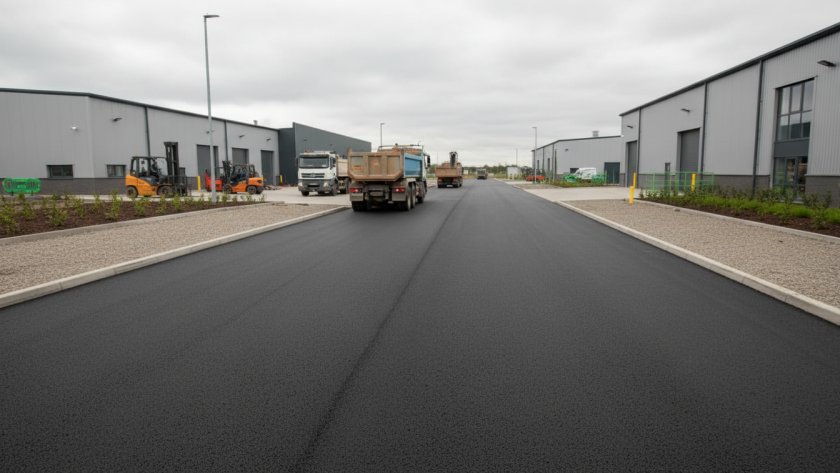
Edge restraints play a fundamental role in the long-term performance of any surfaced roadway. In UK road surfacing projects, they are often one of the most overlooked components, yet they directly influence how well a surface retains its shape, strength, and structural integrity over time. Without adequate edge restraint, even a well-laid surface can begin…
Road surface failure is a persistent issue across the UK, affecting private access roads, commercial estates, car parks, and shared lanes. While many surfaces are designed to last for decades, premature deterioration can occur within just a few years if key principles of design, preparation, and installation are overlooked. For property owners and site managers,…
Compaction is one of the most critical stages in any road surfacing project, yet it is often misunderstood by property owners and site managers. In simple terms, compaction is the process of compressing the laid asphalt or tarmac to remove air voids and ensure the material forms a dense, stable surface. In the context of…
Access roads and private lanes play a critical role in connecting homes, businesses, farms, and commercial developments to the wider road network. Unlike adopted highways, these routes are often privately owned or jointly maintained, which means responsibility for their condition rests with landowners, management companies, or groups of residents. In many cases, these roads were…
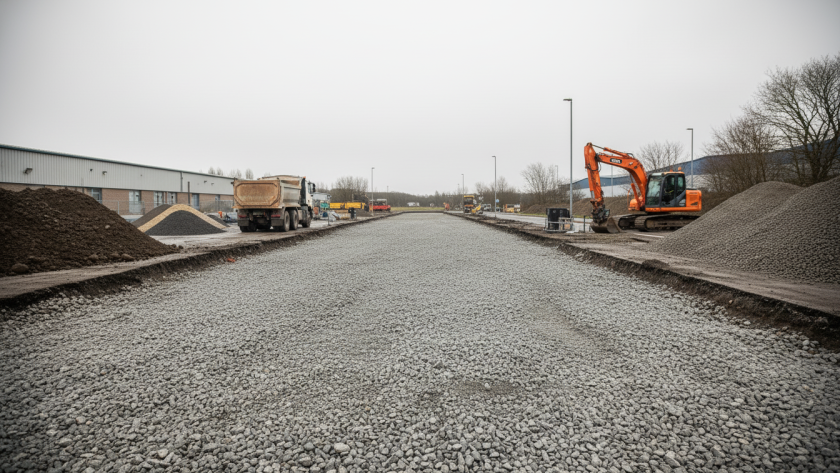
Ground preparation is one of the most critical stages in any road surfacing project, yet it is often misunderstood by property owners and site managers. In the UK, where variable ground conditions and regular rainfall are common, the performance of a finished surface depends heavily on what lies beneath it. Road surfacing ground preparation UK…
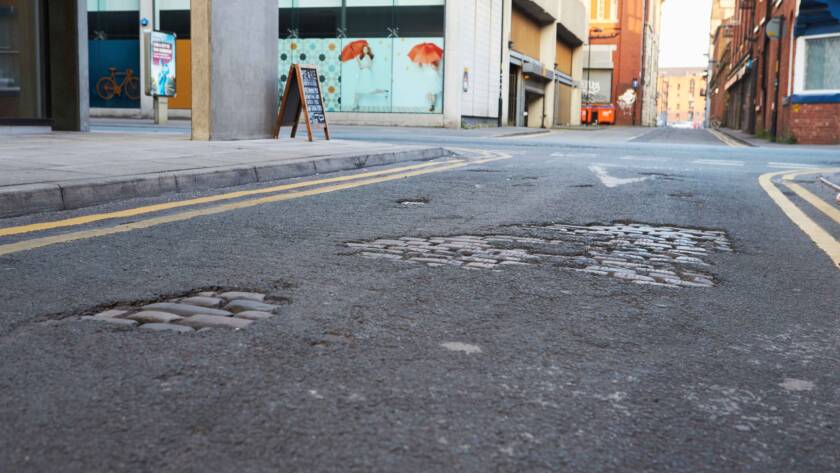
Potholes are more than just minor annoyances on UK roads; they pose serious safety risks, damage vehicles, and reflect poorly on local infrastructure management. Whether you’re a local authority responsible for road upkeep or a homeowner concerned about nearby road conditions, understanding pothole repairs in the UK is essential.
In this comprehensive guide, we’ll explore…
Tarmac surfaces are designed to be durable, flexible, and reliable, making them a popular choice for roads, driveways, car parks, and industrial access routes across the UK. However, even the best-laid tarmac does not last indefinitely without care. One of the most important factors influencing how long a surface remains functional is professional maintenance.
Many…
Most road surfaces don’t fail suddenly.
They warn you — quietly at first.
Hairline cracks, pooling water, uneven levels, or loose edges are often dismissed as minor issues. But left unaddressed, these early signs lead to structural failure, safety risks, and expensive repairs. Understanding when a road surface needs attention — and acting early —…
Selecting the right surface for your property is about more than simply choosing what looks good. In the UK — where weather conditions shift quickly, rainfall is frequent, and traffic intensity varies from home driveways to busy commercial forecourts — the wrong choice can lead to cracking, potholes, drainage problems, or expensive repairs.
Understanding how…
Potholes in the UK: Why They Form, How They Affect Roads, and the Importance of Professional Repairs
Potholes have become one of the most frequent and frustrating issues on UK roads, causing damage to vehicles, disrupting traffic, and accelerating the deterioration of entire road networks. As weather patterns become more extreme and traffic loads continue to rise, pothole formation has increased significantly across both rural and urban routes.
Understanding how potholes develop—and…
Road surfaces across the UK face a wide range of pressures, but none have a greater long-term impact than heavy traffic. From commercial lorries and delivery trucks to buses, tractors, and machinery used on industrial sites, the weight of these vehicles causes gradual but significant wear on even the strongest surfaces. Over time, the constant…