Skip to content Skip to sidebar Skip to footer

Author page: min

min

202 articles published

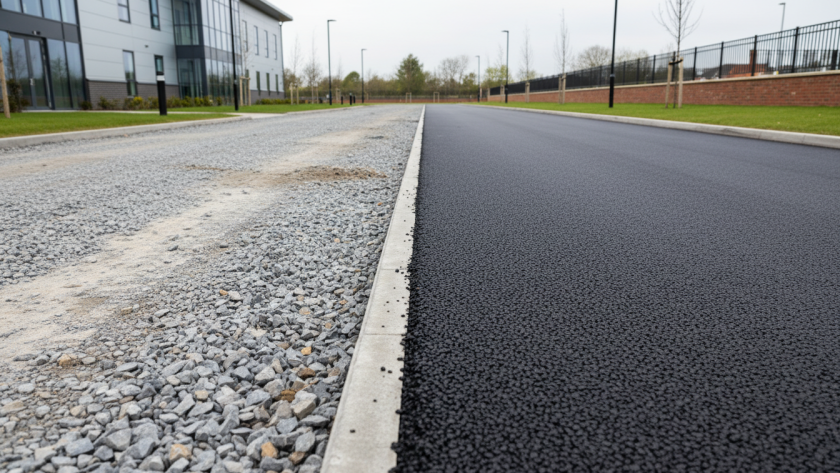
Road Surfacing Quality Control During Installation

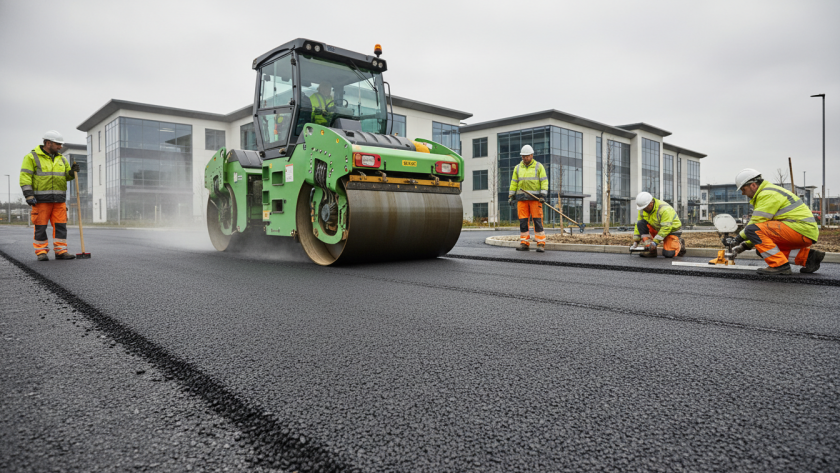
Road surfacing quality control UK processes are fundamental to delivering durable, compliant and safe roadways across commercial and private developments. For property owners and commercial site managers, the performance of a newly installed surface is not simply about appearance on completion day. It is about how that surface performs under traffic, weather exposure and long-term…
Read More

Road Surfacing for Multi-Entrance Developments

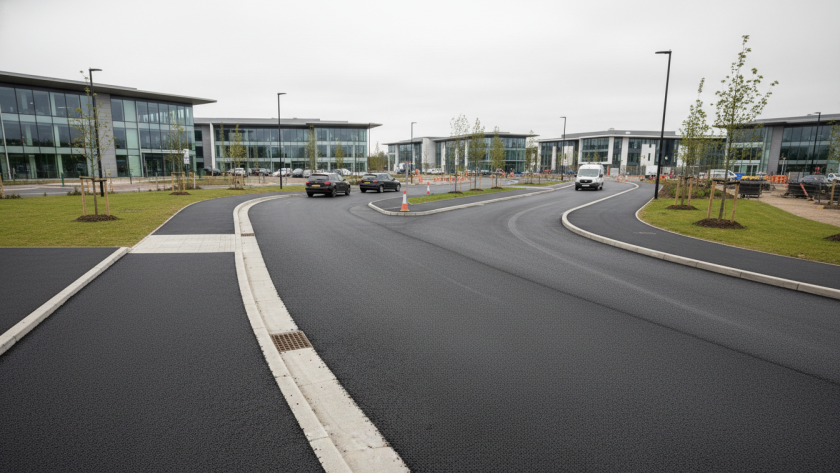
Multi-entrance road surfacing UK projects present a unique set of design and construction considerations. Unlike single-access roads, developments with several entry and exit points must accommodate varying traffic flows, turning movements, delivery vehicles and, in many cases, pedestrian interaction. These entrances may serve residential blocks, retail units, industrial facilities or mixed-use estates, each with different…

Read More

How Surface Finishes Affect Road Performance

When discussing road construction or resurfacing, attention is often placed on thickness, sub-base quality, and drainage. While these elements are essential, road surfacing finishes UK projects rely heavily on the final surface texture to determine how the road performs over time. The finish is not simply cosmetic. It directly influences grip, water dispersion, durability, noise…

Read More

How Professional Road Surfacing Reduces Long-Term Costs

When property owners and commercial site managers consider road surfacing works, the initial installation cost often receives the most attention. While upfront pricing is important, it rarely reflects the true financial impact of a surface over its full lifespan. Long-term costs are shaped by durability, maintenance requirements, performance under traffic loads, and how well the…

Read More

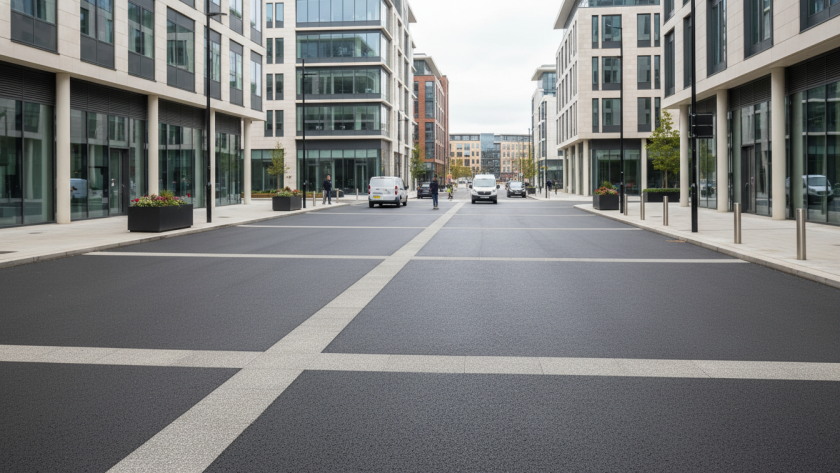
Road Surfacing for Pedestrian and Shared Zones

Shared surface environments are increasingly common across the UK, particularly within mixed-use developments, town centres, residential estates, retail parks, and transport hubs. These spaces are designed to accommodate pedestrians, cyclists, service vehicles, and low-speed traffic within the same area, without the traditional separation created by kerbs, barriers, or heavy road markings. While this approach improves…

Read More

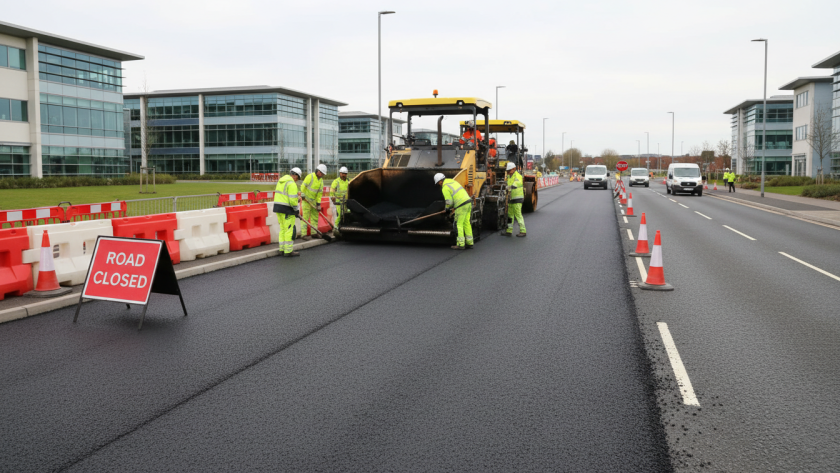
Managing Road Surfacing Projects with Minimal Disruption

Managing disruption is one of the most important considerations when planning road surfacing works on occupied or operational sites. In the UK, many surfacing projects take place in live environments such as business parks, industrial estates, residential developments, healthcare facilities, and logistics hubs where uninterrupted access is essential. Disruption in these settings can affect safety,…

Read More

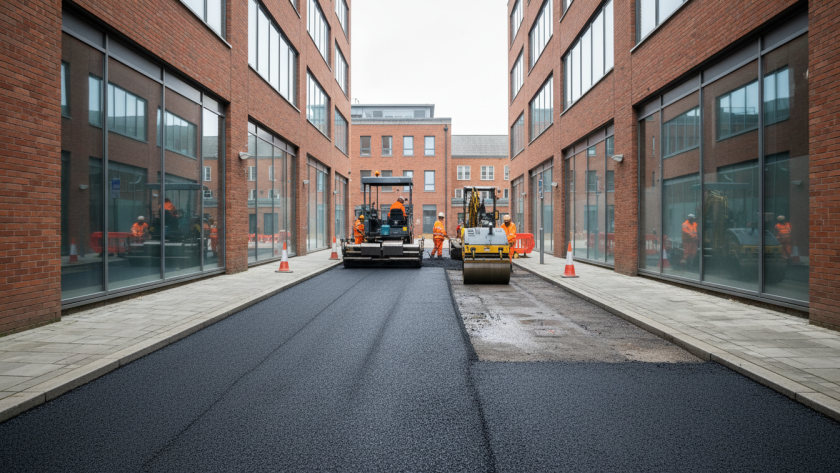
Road Surfacing in Confined or Restricted Areas

Confined road surfacing environments are common across the UK, particularly within urban developments, older industrial estates, service yards, private access routes, and residential complexes. These locations often present limited access widths, restricted turning circles, overhead obstructions, nearby buildings, or continuous pedestrian and vehicle movement. Unlike open roadway projects, confined surfacing requires a more controlled and…

Read More

Road Surfacing for Business Parks and Estates

Business parks and commercial estates rely on their internal road networks far more than many property owners initially realise. These access routes support daily vehicle movements, delivery traffic, service vehicles, visitors, and in many cases heavy goods vehicles. Unlike residential streets, these roads are often under constant load throughout the working day, with peak pressure…

Read More