Tarmac is often associated with cracking when a surface begins to deteriorate, but cracks are not the only sign of a problem. In some cases, the surface can begin to lift, swell or form noticeable bulges. These raised areas may appear gradually or develop relatively quickly, and they can indicate movement within the layers beneath the visible tarmac.
Understanding why tarmac lifting and bulging occurs is important for property owners and commercial site managers because simply flattening or patching the raised area may not resolve the underlying cause. A lasting repair depends on identifying what is creating the movement and determining whether the problem is confined to the surface or extends into the supporting construction below.
What Does Tarmac Lifting and Bulging Look Like?
A properly installed tarmac surface should remain relatively smooth and consistent across the area. Minor variations can naturally exist, particularly on older roads, yards and driveways, but pronounced raised sections require closer attention.
Tarmac lifting normally appears as a section of surfacing that has moved upwards from its original level. The affected area may form a rounded hump, elongated ridge or uneven raised patch. In other situations, the surface may look as though it has been pushed sideways and upwards at the same time.
Bulging can be particularly noticeable where the surrounding tarmac remains level. Vehicles passing over the raised section may produce additional noise or movement, while pedestrians can encounter an unexpected change in level.
The absence of a large visible crack does not necessarily mean the tarmac remains structurally sound. Flexible surfacing can deform before it separates, meaning movement can sometimes appear as lifting rather than immediate cracking.
Why Tarmac Can Lift Without Cracking
Tarmac is designed with a degree of flexibility. This allows a correctly constructed surface to accommodate normal traffic stresses and minor movement without immediately breaking apart.
However, that flexibility also means that pressure from underneath or movement within the supporting layers can distort the surface. Instead of producing a clean fracture, the tarmac may bend and rise.
The condition of the underlying construction therefore matters just as much as the visible surface. Professional tarmac installation relies on appropriate preparation, suitable materials, effective compaction and a stable supporting base. Problems within any of these areas can eventually become visible at surface level.
Tree Roots Beneath Tarmac
Tree roots are one possible cause of localised tarmac lifting, particularly around driveways, access roads, car parks and other surfaces positioned close to established trees.
As roots develop beneath the surface, they can place upward pressure on the construction above them. Because tarmac is flexible, it may initially follow this movement rather than immediately cracking.
The shape and location of the raised area can sometimes provide clues. A long, relatively narrow ridge extending away from a tree may suggest root-related movement, although the surface would normally need to be investigated before the cause could be confirmed.
Simply cutting away the raised tarmac does not necessarily solve a root-related problem. The condition of the underlying area and the implications of disturbing established roots need to be considered before remedial surfacing work is undertaken.
Movement Within the Sub-Base
The visible tarmac layer depends heavily on the material beneath it. If the supporting construction moves, the surface can move with it.
Sub-base instability can develop for several reasons. Poor initial preparation, unsuitable material, inadequate compaction or changes in moisture conditions can all influence how well the underlying layers continue to support the finished surface.
Movement does not always result in subsidence. While weak areas are commonly associated with sinking, displacement within the construction can also create uneven pressure and raised sections.
This is why assessing only the top layer can be misleading. A surface defect may appear relatively minor while the actual problem is located considerably deeper.
Water and Drainage Problems
Water is an important consideration whenever an asphalt or tarmac surface begins behaving unexpectedly. Effective drainage should move water away from the pavement construction rather than allowing it to remain within or underneath the supporting layers.
Where water repeatedly enters weak points, edges or poorly drained areas, the supporting material can become unstable. Changes in moisture levels can contribute to movement, erosion and loss of support.
Pooling water can also indicate that the original falls are no longer functioning as intended. A raised section may redirect runoff, creating additional standing water elsewhere and gradually making the drainage problem more complicated.
For commercial roads and heavily used access areas, properly planned commercial surfacing and road surfacing should consider drainage alongside traffic loading, ground preparation and the required pavement construction.
Heat and Surface Deformation
Warm weather can soften bituminous surfacing, particularly where the material is already experiencing high loading or underlying instability.
Heat alone does not automatically mean a correctly constructed tarmac surface will suddenly develop large bulges. However, higher temperatures can make the material more susceptible to deformation when other stresses are present.
Repeated vehicle movements can then push and distort softened material. This effect can be particularly noticeable where vehicles brake, turn or manoeuvre frequently.
Areas such as entrances, loading zones, turning spaces and access points can therefore experience different stresses from sections where vehicles simply travel in a straight line.
Heavy Vehicle Loading and Tarmac Movement
Traffic loading has a major influence on surface performance. A domestic driveway used by passenger cars experiences very different forces from a commercial yard regularly carrying delivery vehicles or heavy goods vehicles.
If the construction is not appropriate for the expected loading, repeated pressure can cause the surface and supporting layers to deform. Instead of producing obvious cracks, the material may begin to shove, ripple or form raised sections.
Turning movements can increase these stresses because tyres apply forces across the surface rather than simply pressing vertically downwards. Similar effects can occur where vehicles brake repeatedly in the same location.
For larger areas, machine-laid tarmac can provide controlled placement and consistent surfacing, although the effectiveness of the finished pavement still depends on suitable preparation and construction underneath.
Poor Compaction During Construction
Compaction is essential throughout road surfacing construction. The supporting layers need sufficient density and stability, while the asphalt or tarmac itself must also be properly compacted during installation.
Inadequately compacted material can continue moving after the surface has entered service. Vehicle loading may gradually rearrange the underlying material, producing depressions in some areas and displacement in others.
This movement can eventually become visible as unevenness, rippling or bulging.
Correct compaction is therefore not simply about achieving a smooth appearance when the surface is first installed. It contributes directly to how effectively the completed construction carries loads over its working life.
Can a Bulging Tarmac Surface Be Repaired?
Repair options depend on the cause and extent of the movement. There is no single repair method suitable for every raised tarmac surface.
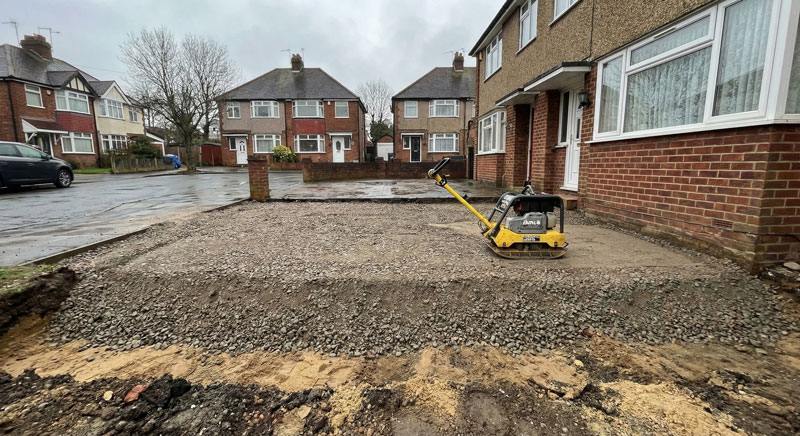
Where damage is shallow and highly localised, removing the affected material and reinstating the area may be possible. Where movement originates deeper within the construction, however, repairing only the wearing surface could leave the original cause untouched.
The affected area may need to be opened so the supporting material can be inspected. Weak or displaced material can then be addressed before the surface is reinstated.
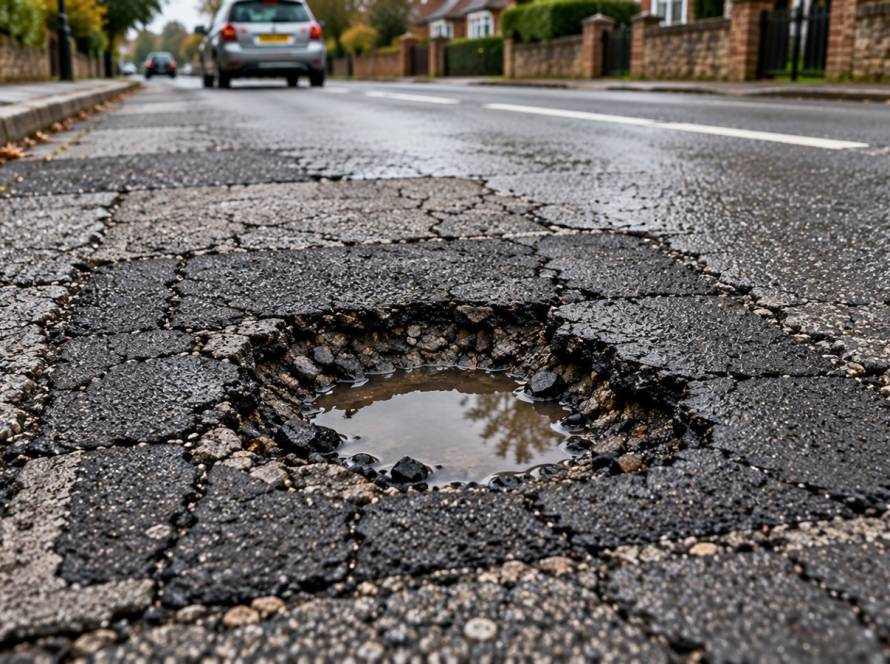
This principle also applies to other localised surface failures. Professional pothole repairs are most effective when the repair considers the condition around and beneath the damaged area rather than treating the visible opening in isolation.
Why Simply Flattening the Bulge May Not Work
A raised section can create the impression that the easiest solution is simply to remove the excess material or flatten the hump. This approach can be problematic because the raised surface may be a symptom rather than the actual defect.
If a root, unstable sub-base, trapped moisture or displaced construction remains underneath, the surface may continue moving after the repair.
Removing material from the top can also reduce the thickness of the surfacing at precisely the point where additional structural integrity may be required.
A proper assessment should therefore consider why the tarmac has moved before deciding how much material needs to be removed and what reconstruction is necessary.
When Tarmac Lifting Becomes a Safety Issue
Raised tarmac can affect more than appearance. Significant changes in level can create trip hazards for pedestrians and uncomfortable transitions for cyclists and vehicles.
On commercial sites, surface irregularities may also affect trolleys, forklifts and other equipment operating across yards or access areas. Standing water around distorted sections can create an additional maintenance concern.
The severity of the problem depends on its position, height and rate of development. A small raised section away from regular traffic may present a different level of concern from a pronounced bulge across a busy pedestrian route or vehicle entrance.
Areas that continue to change should be investigated rather than repeatedly patched without identifying the cause.
Signs That the Problem Extends Below the Surface
Several characteristics can suggest that tarmac lifting is connected with deeper movement. A raised area that continues developing after previous repairs deserves particular attention.
Nearby depressions can also be relevant because they may indicate that material has shifted rather than simply expanded. Persistent standing water, loose edges, rippling or deformation across a wider area can similarly point towards problems within the pavement construction.
Surface age should also be considered. Bulging that develops soon after installation may require investigation of preparation and construction conditions, whereas movement appearing after many years could be associated with changing ground conditions, vegetation, drainage or traffic demands.
Reviewing examples of completed surfacing projects can also help property owners understand how different site conditions influence the design and finish of tarmac areas.
Preventing Future Tarmac Lifting
Reducing the risk of lifting begins before the tarmac is laid. The ground must be assessed and prepared appropriately, and the pavement construction should reflect the intended use of the area.
Drainage should be considered as part of the overall design rather than treated as a separate issue after surfacing is complete. Water needs a controlled route away from the surface and supporting layers.
Expected vehicle loads also matter. A surface intended for occasional cars should not automatically be expected to perform in the same way when subjected to frequent commercial vehicles.
Professional road surfacing services can take these site-specific factors into account when determining the appropriate preparation and surfacing approach.
Assessing Tarmac That Has Started to Bulge
Tarmac lifting and bulging instead of cracking is usually a sign that movement is taking place somewhere within the surface or the construction supporting it. The flexibility of bituminous materials can allow that movement to appear as a hump, ridge or ripple before obvious cracking develops.
Tree roots, sub-base instability, drainage problems, inadequate compaction, heat and repeated vehicle loading can all contribute depending on the site.
The important distinction is between visible damage and its underlying cause. Replacing or flattening the top layer may improve the appearance temporarily, but a durable repair depends on understanding why the surface moved in the first place.
Where a raised section is becoming more pronounced, affecting drainage or creating an uneven route for vehicles or pedestrians, the condition of the complete pavement construction should be assessed. Addressing the source of movement before reinstating the tarmac gives the repaired area a much better opportunity to remain stable.