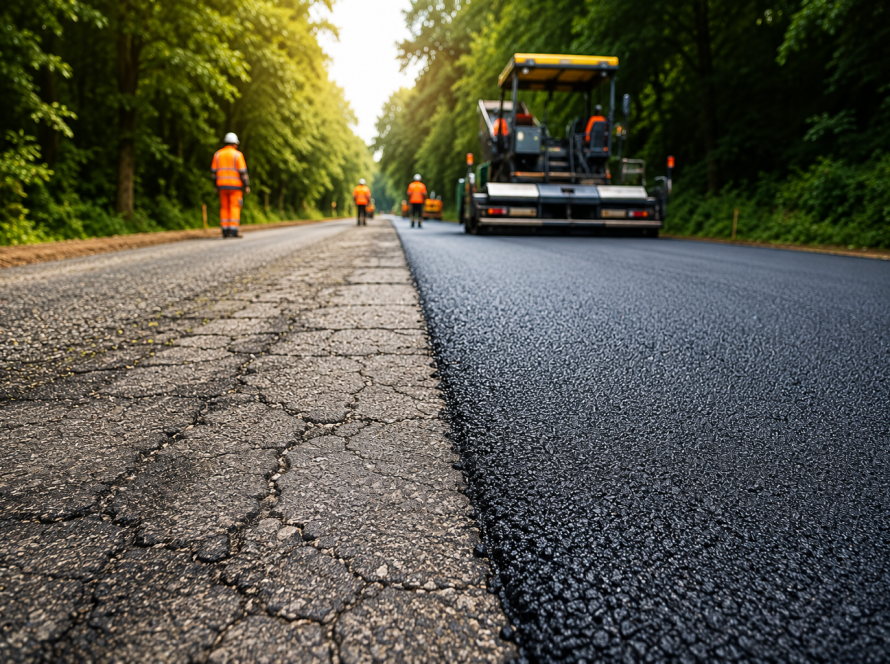
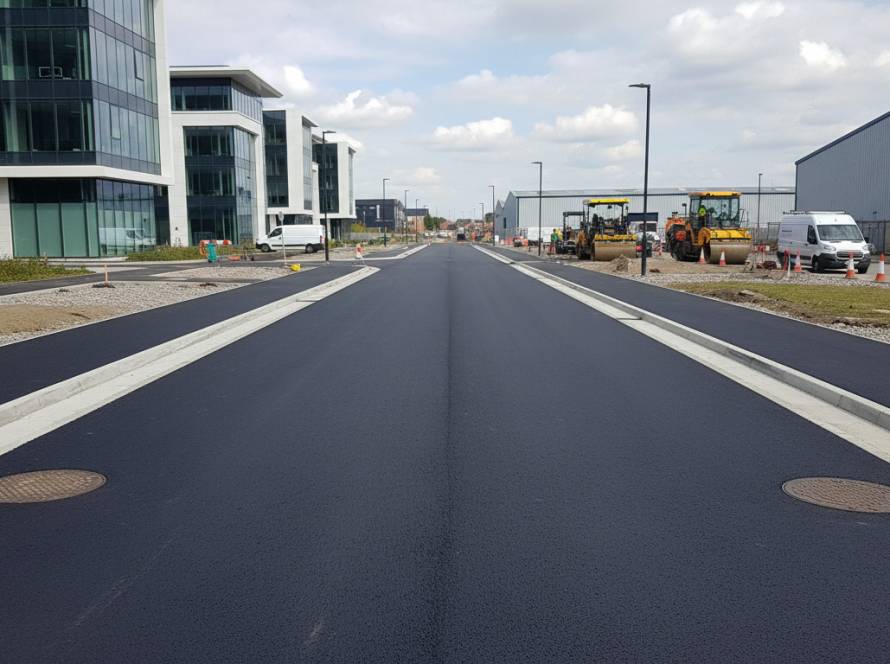
Road surfaces across the UK are exposed to constant wear from traffic, weather conditions, water ingress, and natural ageing. Even well-constructed roads eventually develop defects that affect safety, appearance, and long-term performance. Understanding the most common road defects UK property owners and site managers encounter can help identify issues early and reduce the risk of more extensive repairs.
Road defects can occur on public highways, commercial access roads, industrial estates, private developments, business parks, and residential roads. While some problems develop gradually over many years, others can emerge surprisingly quickly when underlying construction issues or drainage problems are present.
Recognising the early signs of deterioration allows road owners and managers to plan maintenance effectively and avoid costly reconstruction projects.
Why Road Defects Develop
Road defects rarely occur without cause. In most cases, deterioration is the result of several contributing factors acting together over time. Traffic loading, water penetration, freeze-thaw cycles, poor drainage, ageing materials, and inadequate construction techniques can all play a role.
The UK’s climate presents particular challenges for road surfaces. Frequent rainfall increases the risk of water entering small cracks, while seasonal temperature changes can accelerate expansion and contraction within the pavement structure. Heavy vehicle traffic further increases stress on the surface and underlying layers.
Professional installation and regular maintenance significantly reduce the likelihood of premature failures. High-quality commercial road surfacing helps create durable surfaces that can withstand demanding conditions for many years.
Potholes
One of the Most Recognisable Road Defects
Potholes are among the most common road defects UK road users encounter. They develop when water enters cracks within the surface and weakens the underlying layers. Traffic loading then breaks apart the weakened material, creating a hole in the carriageway.
Initially, potholes may appear relatively small, but they often expand rapidly when exposed to continued traffic and adverse weather. Left untreated, they can present significant safety risks to vehicles, cyclists, and pedestrians.
Causes of Pothole Formation
Water infiltration is usually the primary cause of pothole development. Once moisture reaches the sub-base, structural strength decreases considerably. Repeated loading from vehicles causes the affected area to collapse and break apart.
Poor drainage, ageing surfaces, and neglected maintenance frequently accelerate pothole formation. Early intervention through professional pothole repairs can prevent wider surface deterioration and extend pavement life.
Cracking
Surface Cracks and Structural Cracks
Cracking is another widespread issue affecting roads throughout the UK. Not all cracks indicate serious structural failure, but they should never be ignored.
Surface cracks often begin as fine hairline fractures caused by ageing bitumen, temperature fluctuations, or normal traffic wear. Structural cracks, however, may indicate movement within the underlying pavement layers and often require more extensive investigation.
Common Types of Cracking
Longitudinal cracks run parallel to the direction of traffic and frequently occur along joints or wheel paths. Transverse cracks cross the road and are commonly associated with thermal movement. Block cracking forms interconnected rectangular patterns across the surface, often resulting from ageing materials.
When cracks are left untreated, water penetration increases, accelerating deterioration and potentially leading to potholes or complete pavement failure.
Rutting
Deformation Along Vehicle Paths
Rutting appears as depressions or grooves within wheel tracks. This defect develops when repeated vehicle loading causes the pavement layers to deform under pressure.
Commercial sites, industrial facilities, logistics centres, and roads carrying heavy goods vehicles are particularly vulnerable to rutting. Over time, these depressions become more pronounced and can affect vehicle handling and drainage performance.
Why Rutting Matters
Rutting allows water to collect within wheel paths, increasing the risk of standing water and hydroplaning. It can also indicate weaknesses within the pavement structure that may continue worsening if not addressed.
Proper design and installation methods, including correctly specified materials and adequate layer thickness, help reduce the likelihood of rutting occurring. Professional tarmac installation ensures surfaces are designed to withstand expected traffic loads.
Surface Fretting and Ravelling
Gradual Loss of Surface Material
Surface fretting, sometimes referred to as ravelling, occurs when aggregate particles begin separating from the surface layer. This results in a rough texture and visible material loss across the pavement.
The problem often starts gradually and may initially appear cosmetic. However, continued aggregate loss weakens the surface and exposes lower layers to weather and traffic damage.
Causes of Fretting
Poor aggregate bonding, ageing bitumen, weather exposure, and repeated traffic loading are common contributing factors. Fretting frequently appears on older surfaces that have reached the end of their intended service life.
Timely resurfacing can restore durability before more serious structural issues develop.
Edge Deterioration
Damage Along Road Boundaries
Road edges are often subjected to different stresses than central traffic lanes. Vehicles occasionally mounting verges, inadequate edge support, and erosion from water can all contribute to edge deterioration.
The result is cracking, crumbling, or surface break-up along the road boundary. While the damage may initially appear localised, it can spread further into the carriageway if ignored.
Importance of Early Repairs
Maintaining strong edges helps preserve the structural integrity of the entire pavement. Once edge failure begins, water ingress and continued traffic loading can accelerate wider surface deterioration.
Regular inspections allow maintenance teams to identify vulnerable areas before major reconstruction becomes necessary.
Drainage-Related Defects
The Impact of Standing Water
Water is one of the most damaging elements affecting road surfaces. Poor drainage can lead to a wide range of road defects, including potholes, cracking, rutting, and sub-base failure.
Standing water increases moisture penetration into the pavement structure and often indicates underlying drainage deficiencies. Areas around gullies, channels, and low points are particularly susceptible.
Long-Term Consequences
Persistent drainage problems can significantly shorten pavement lifespan. Even high-quality surfacing materials struggle to perform effectively when subjected to continuous water exposure.
Regular drainage maintenance and surface inspections are essential for protecting long-term pavement performance.
Settlement and Subsidence
Movement Beneath the Surface
Settlement occurs when underlying ground or pavement layers compact unevenly. Subsidence involves more significant ground movement and can create noticeable depressions or surface distortion.
These defects may result from inadequate ground preparation, poor compaction, underground utility works, or naturally unstable soil conditions.
Identifying Settlement Issues
Uneven surface levels, depressions, cracking, and water ponding often indicate settlement problems. Addressing the underlying cause is essential, as simply repairing the visible surface may not prevent recurrence.
Proper construction methods, including professional machine lay tarmac, help achieve consistent compaction and structural stability.
Surface Polishing and Reduced Skid Resistance
Loss of Surface Texture
Over time, traffic can polish exposed aggregate particles, reducing surface texture and grip. This process is particularly common at junctions, roundabouts, bends, and braking areas where vehicle forces are greatest.
While the surface may still appear intact, reduced skid resistance can increase safety risks, especially during wet weather.
Maintaining Safe Road Surfaces
Regular inspections help identify areas where texture loss may be affecting performance. Surface treatments or resurfacing may be necessary to restore adequate grip and maintain safe operating conditions.
How Road Defects Can Be Prevented
Preventing road defects is generally more cost-effective than undertaking major repairs after significant deterioration has occurred. Good drainage design, appropriate material selection, proper construction practices, and routine maintenance all contribute to longer pavement life.
Regular inspections allow defects to be identified while they remain relatively minor. Small cracks can be sealed before water penetration occurs, while localised repairs can prevent wider structural failures.
Working with experienced surfacing specialists helps ensure roads are constructed correctly from the outset and maintained appropriately throughout their service life. Organisations seeking long-term durability often benefit from comprehensive surfacing solutions available through experienced contractors offering a range of road surfacing services.
Conclusion
The most common road defects UK property owners and site managers encounter include potholes, cracking, rutting, fretting, edge deterioration, drainage-related failures, settlement, and surface polishing. Although these issues vary in severity, they often share common causes such as water ingress, traffic loading, ageing materials, and inadequate maintenance.
Understanding how these defects develop enables earlier intervention and more effective maintenance planning. By addressing problems promptly and investing in quality surfacing solutions, road owners can improve safety, reduce repair costs, and maximise the lifespan of their infrastructure.