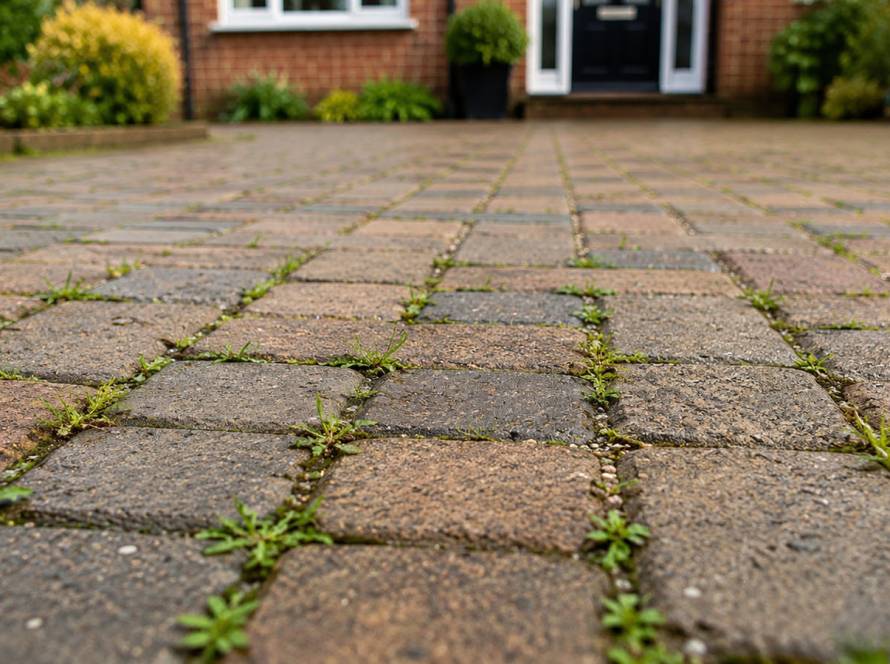
A poor surface rarely reduces property value overnight. In most cases, it happens gradually. Small cracks, uneven patches, potholes, standing water and worn edges become part of the background until they begin to influence how people see, use and assess the property. For homeowners, landlords, commercial site managers and estate owners, the condition of external surfaces can quietly affect kerb appeal, safety, maintenance costs and buyer confidence.
When people think about property value, they often focus on buildings, interiors, location and usable space. These are all important, but the areas around a property also shape perception. A driveway, access road, forecourt, service yard or car park is often the first physical part of the site someone experiences. If that surface feels neglected, difficult to use or unsafe, it can create doubts about the wider standard of maintenance.
A well-maintained surface suggests order, care and long-term investment. A poor surface can suggest the opposite, even when the main building is in good condition. This is especially relevant for commercial and residential properties where visitors, tenants, customers, delivery drivers and potential buyers all form opinions before they step inside.
First Impressions and Kerb Appeal
External surfacing has a direct influence on kerb appeal. For residential properties, a cracked or worn driveway can make a home look tired. For commercial properties, a damaged entrance road or uneven car park can make a business look less professional. In both cases, the surface sends a message about how the property is managed.
Poor surfaces can make a site feel older than it really is. Faded tarmac, broken edges and patchy repairs can draw attention away from more positive features. Even when the building itself has been improved, neglected surfacing can weaken the overall impression. This matters because first impressions often affect how people judge value before any formal survey or valuation takes place.
For buyers and tenants, a poor surface can also raise questions. They may wonder whether the issue is cosmetic or structural. They may assume that repairs will be expensive. They may also question whether other maintenance problems have been ignored. These doubts can affect offers, negotiations and willingness to commit.
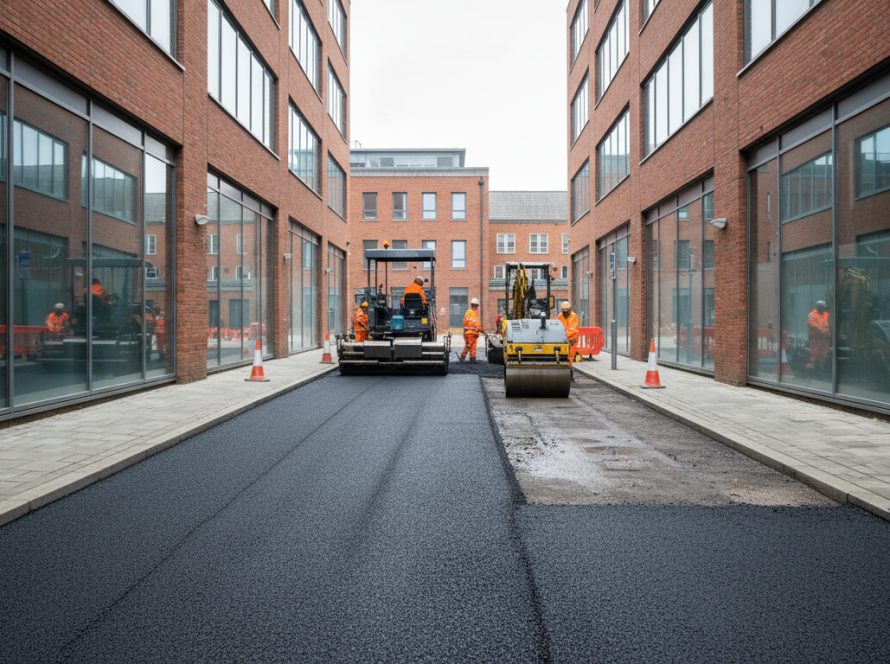
Where a surface has reached the point where repair is no longer suitable, professional tarmac installation can restore a cleaner, more durable finish that supports the overall appearance of the property.
Hidden Maintenance Costs That Affect Perceived Value
A damaged surface is not just a visual problem. It often indicates future cost. Buyers, landlords and commercial site managers are increasingly aware that external maintenance can become expensive when left too long. Small issues may seem manageable, but they can develop into larger problems if water enters cracks, weakens the sub-base or spreads existing damage.
A few potholes may appear minor at first, but they can quickly become more disruptive. Vehicles place pressure on weakened areas, especially where delivery traffic, refuse vehicles or customer parking is involved. Over time, damaged sections can grow wider and deeper, making repairs more urgent and more costly.
This affects property value because people often factor future repair costs into their view of a site. A buyer may reduce an offer if resurfacing appears necessary. A tenant may be less willing to pay a premium rent if access roads or parking areas are in poor condition. A commercial operator may see surface damage as an operational risk rather than a simple maintenance item.
Timely pothole repairs can help prevent localised damage from spreading, particularly where the rest of the surface is still structurally sound.
Safety Concerns and Liability Risks
Surface condition also influences safety. Uneven ground, potholes, loose material and poor drainage can increase the risk of slips, trips and vehicle damage. For commercial sites, shared residential areas and managed estates, this can become a serious concern. A poor surface may create liability risks if visitors, employees, tenants or contractors are affected by preventable hazards.
Even when no incident occurs, visible hazards can reduce confidence in the site. Customers may avoid using a poorly maintained car park. Delivery drivers may find access difficult. Residents may complain about damage to vehicles or unsafe pedestrian routes. These issues can make a property harder to manage and less attractive to future occupiers.
For property owners, safety concerns can also affect reputation. A site that appears unsafe may be seen as poorly managed. In commercial environments, this can influence how clients, suppliers and staff perceive the business. In residential settings, it can affect tenant satisfaction and retention.
Good surfacing is not only about appearance. It supports safer movement, clearer access and more predictable use of external areas. For larger sites, professional commercial surfacing can help create surfaces designed for regular traffic, parking and operational demands.
Drainage Problems and Long-Term Surface Decline
One of the most common ways a poor surface reduces property value is through drainage failure. Standing water, blocked falls and sunken areas can all suggest underlying problems. Water that remains on a surface after rainfall can weaken materials, encourage cracking and accelerate deterioration.
In the UK, drainage is particularly important because surfaces are regularly exposed to wet weather. If water cannot move away properly, it can collect in low points, enter small defects and gradually damage the construction beneath. Over time, this can lead to soft spots, surface movement and repeated failure in the same areas.
Drainage problems also affect usability. A car park with puddles may become inconvenient for customers or staff. A driveway with standing water can make access unpleasant. A service yard with poor drainage can interfere with deliveries and loading activity. These practical problems influence how people value the property because they affect everyday use.
A poor surface with drainage issues can also make a site look neglected after rainfall. Even if the surface appears acceptable in dry conditions, water pooling can reveal weaknesses that are difficult to ignore.
Vehicle Access and Practical Usability
Property value is closely linked to how practical a site feels. External surfaces play a major role in this. If vehicles cannot move comfortably across a driveway, car park, access road or yard, the property becomes less convenient. For commercial sites, poor access can affect deliveries, customer visits, staff parking and emergency access. For residential properties, it can affect daily parking, turning and general ease of use.
Uneven surfaces can be uncomfortable to drive across. Loose or failing areas may cause drivers to slow down or avoid certain sections. In shared spaces, this can lead to congestion or disputes over access. In business settings, poor surfaces can reduce efficiency and create avoidable disruption.
For commercial property, a strong and reliable surface is part of operational value. Buyers and tenants often assess whether a site can support their vehicles, customers and working patterns. Where access roads, loading areas or car parks are visibly weak, they may see the property as less suitable.
Larger areas that need an even, consistent finish may benefit from machine lay tarmac, particularly where smoothness and efficient installation are important.
How Poor Surfacing Can Affect Surveys and Negotiations
When a property is being sold, leased or refinanced, external condition can influence professional assessments. Surveyors and buyers may identify damaged surfacing as a maintenance liability. Even if the issue does not lead to a formal valuation reduction, it can still become part of negotiation.
A buyer may use visible surface damage to justify a lower offer. A tenant may request repairs before agreeing terms. A lender or investor may view the site as needing additional expenditure. These outcomes can all reduce the practical value of the property.
The issue is not always the exact cost of repair. Sometimes the greater impact comes from uncertainty. People may not know whether the damage is shallow or deep. They may worry that the sub-base has failed. They may suspect drainage problems or long-term neglect. This uncertainty can weaken confidence, and reduced confidence often affects value.
A clean, stable and well-finished surface removes one potential objection. It helps the property feel ready for use, rather than presenting the next owner or occupier with immediate work.
The Difference Between Cosmetic Wear and Serious Deterioration
Not every surface defect has the same effect on property value. Some wear is cosmetic and may be expected with age. Slight fading, minor texture changes and small isolated marks do not always indicate serious failure. However, wider cracking, potholes, sinking, standing water and loose edges suggest more significant deterioration.
The difficulty for many property owners is knowing when a surface has moved beyond normal wear. A surface may look acceptable from a distance but perform poorly under traffic or rain. Similarly, repeated patch repairs may temporarily cover defects without addressing the underlying problem.
This is why early assessment matters. A surface that can be repaired in time may avoid the need for more extensive resurfacing. However, if problems are ignored for too long, the structure beneath the surface may become compromised. Once this happens, repair costs rise and the effect on value becomes more obvious.
A poor surface property value issue is often strongest when defects are visible, recurring and disruptive. The longer they remain unresolved, the more they shape perception.
Residential Properties and Driveways
For homeowners, the driveway or private access surface is a key part of the property’s presentation. It frames the entrance, supports daily use and contributes to the overall look of the home. A cracked or uneven driveway can make a property appear less cared for, even if the house itself is well maintained.
Buyers often think practically. They may ask whether the driveway will need replacing, whether drainage is adequate and whether vehicles can park safely. If the surface appears poor, it can become one more cost they expect to face after moving in. This can influence their offer or make another property feel more appealing.
For landlords, driveway and access condition can affect tenant satisfaction. A reliable surface reduces complaints, improves usability and supports a better overall impression of the property. Where appearance is a priority, alternatives such as resin driveways may also be considered for suitable residential settings.
Commercial Sites, Car Parks and Service Areas
For commercial properties, surface condition can have an even broader impact. A poor surface can affect customer confidence, staff safety, vehicle movement and business presentation. Car parks, access roads and service yards are not secondary features. They are part of how the site operates.
A customer arriving at a damaged car park may question the professionalism of the business. A tenant considering a unit may view poor surfacing as a sign that the wider estate is not well managed. A delivery operator may find damaged service yards inconvenient or risky. These impressions can reduce the attractiveness of the site.
Commercial property value depends heavily on usability. If external areas support smooth access, safe parking and efficient servicing, the site becomes easier to occupy and manage. If those areas are failing, the property may be seen as requiring investment before it can perform properly.
For site managers responsible for estates, industrial units, retail areas or business premises, surfacing should be treated as part of long-term asset management rather than a cosmetic afterthought.
Why Delaying Surface Repairs Can Cost More
It is common for property owners to delay surfacing work because the surface still appears usable. This can be understandable, especially when budgets are tight. However, delay often increases the overall cost. Water continues to enter defects, traffic continues to stress weak areas and small problems gradually expand.
What begins as a minor repair can become a larger resurfacing project. A localised pothole can spread. A drainage issue can undermine a wider area. An edge failure can allow the surface to break apart further. Each stage of deterioration makes the property look less maintained and more expensive to correct.
Delaying repairs can also affect timing. Emergency work is often more disruptive than planned maintenance. For commercial sites, this may mean restricting access, reorganising parking or interrupting operations. Planned resurfacing allows property owners to control timing, budget and disruption more effectively.
A proactive approach is usually better for both value and day-to-day management. It keeps the property looking cared for, reduces safety concerns and prevents surface issues from becoming a larger liability.
Protecting Property Value Through Better Surfacing Decisions
Protecting property value does not always mean replacing every surface immediately. The right decision depends on the age, condition, use and structure of the existing surface. In some cases, localised repairs are enough. In others, resurfacing or full replacement may be more sensible.
The key is to look at the surface as part of the whole property. If it affects access, safety, presentation or drainage, it is already influencing value. If it causes complaints or creates uncertainty for buyers, tenants or visitors, it should not be ignored.
Good surfacing decisions consider the type of traffic using the area, the required durability, drainage requirements, edge support and long-term maintenance. A surface used by cars only will not have the same demands as a service yard used by heavy vehicles. A private driveway will have different needs from a commercial access road.
Property owners who treat surfacing as an investment in usability and presentation are better placed to protect long-term value. A strong, well-finished surface supports confidence. A poor surface creates doubt.
Conclusion
A poor surface can quietly lower property value because it affects how a site looks, feels and performs. It can weaken first impressions, suggest hidden costs, create safety concerns and make buyers or tenants question how well the property has been maintained. These effects are often gradual, but they become harder to ignore as damage spreads.
For residential properties, a poor driveway or access surface can reduce kerb appeal and create concerns about future repair costs. For commercial sites, damaged car parks, access roads and service yards can affect safety, efficiency and professional presentation. In both cases, the condition of the surface plays a meaningful role in how the property is judged.
Maintaining external surfaces is not simply about appearance. It is part of protecting the value, usability and reputation of the property. Addressing defects early, improving drainage and choosing appropriate surfacing solutions can help prevent small issues from becoming expensive problems.