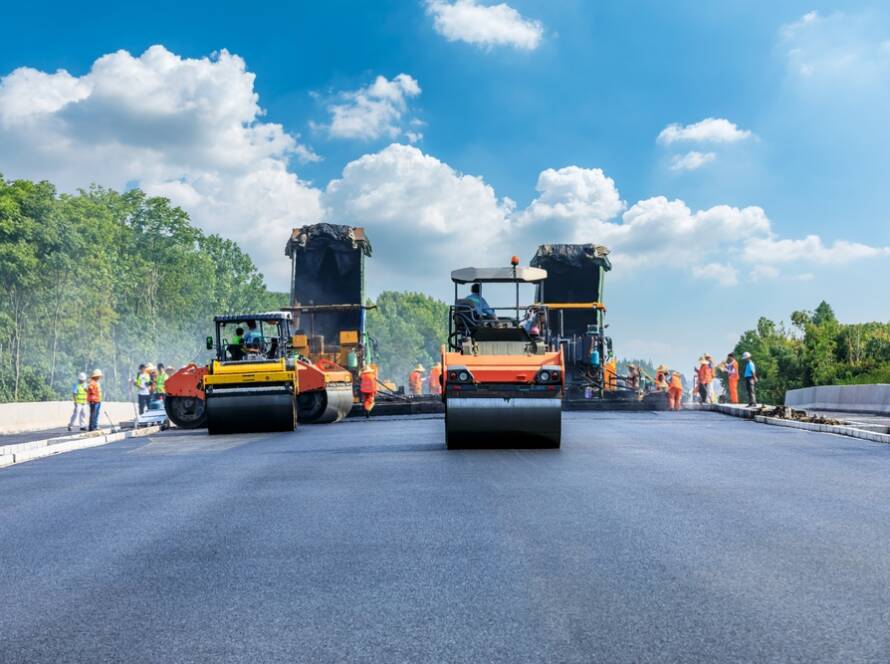
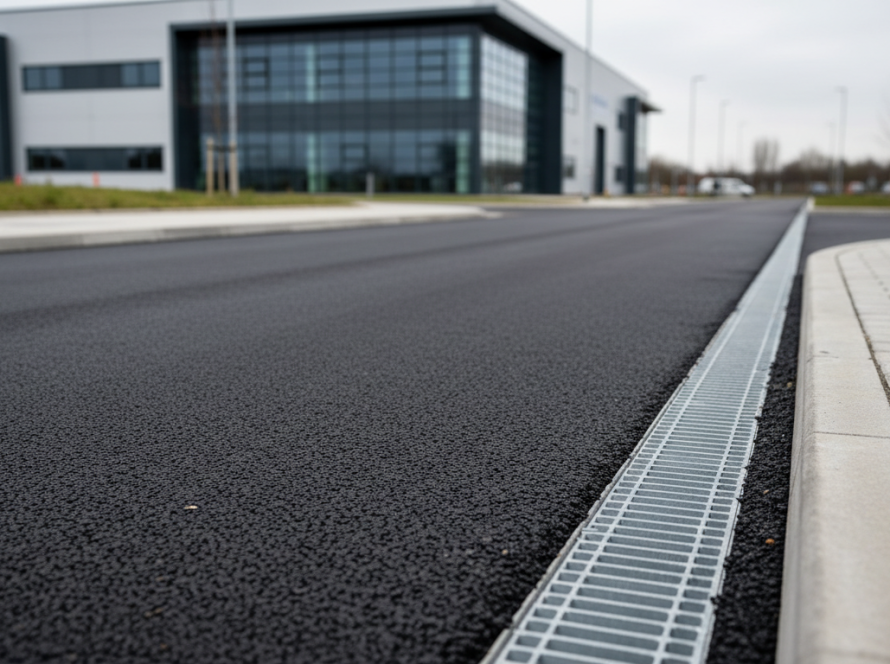
Road surfaces across the UK are constantly exposed to a combination of environmental stress, traffic pressure, and structural movement. While cracks and sinking surfaces may appear to be surface-level issues, the real causes almost always lie beneath. For property owners and site managers, understanding what happens below the visible layer is essential to preventing long-term damage and costly repairs.
Many assume that visible cracking is simply a result of age or heavy use. In reality, road failure is usually the result of deeper structural weaknesses, often linked to poor installation practices or inadequate planning. This is why professional commercial surfacing must always consider what lies beneath the finished surface, not just the appearance of the top layer.
The Role of the Sub-Base in Structural Stability
What Is the Sub-Base?
The sub-base is the foundation layer beneath the road surface, typically made from compacted aggregate materials. It provides load distribution and structural support, ensuring that traffic weight is spread evenly across the ground.
If this layer is poorly constructed or insufficient in depth, the entire surface above becomes vulnerable. Even the highest quality surfacing materials cannot compensate for a weak foundation.
How Sub-Base Failure Leads to Cracking
When the sub-base shifts, settles unevenly, or fails to support the surface, stress points begin to form. These stresses eventually manifest as cracks, dips, or sinking sections. This process often develops gradually, making early signs easy to overlook until visible damage becomes severe.
Poor sub-base preparation is one of the most common causes of premature failure, which is why experienced contractors place significant emphasis on groundwork before any tarmac installation begins.
Ground Conditions and Soil Movement
The Impact of UK Soil Types
The UK has a wide range of soil conditions, from clay-heavy ground to sandy or water-retentive soils. Clay soils, in particular, expand when wet and shrink when dry, creating continuous movement beneath the surface.
This natural expansion and contraction places stress on the road structure, especially if the sub-base has not been designed to accommodate these changes.
Subsidence and Settlement
Subsidence occurs when the ground beneath a surface shifts downward, often due to moisture changes or poor compaction. Settlement can also occur when newly laid ground has not been adequately stabilised before surfacing.
Both processes create voids or uneven support beneath the surface, leading to cracking and eventual sinking. Once this begins, surface repairs alone will not resolve the underlying issue.
Water Ingress and Drainage Failures
How Water Weakens Road Structures
Water is one of the most damaging elements affecting road surfaces. When drainage is inadequate, water seeps through cracks or porous areas and reaches the lower layers.
Over time, this weakens the sub-base and washes away fine materials, reducing its load-bearing capacity. As a result, the surface above begins to deform under pressure.
Freeze-Thaw Cycles
In colder months, trapped water expands when frozen and contracts when thawed. This repeated cycle accelerates the breakdown of both the surface and the underlying layers.
Without proper drainage design, even a well-laid surface will deteriorate more quickly. This is why integrating effective water management into projects, often alongside services like machine lay tarmac, is essential for long-term performance.
Traffic Load and Repetitive Stress
The Effect of Heavy Vehicles
Commercial roads, access routes, and service yards are frequently subjected to heavy vehicle traffic. Lorries and delivery vehicles exert significant pressure, particularly in turning areas or loading zones.
If the road structure has not been designed to handle these loads, the repeated stress will eventually cause deformation. This often appears as rutting, cracking, or sinking in high-traffic areas.
Load Distribution Issues
When the underlying layers are uneven or poorly compacted, traffic loads are not distributed evenly. This creates concentrated stress points that accelerate surface failure.
Professional surfacing design takes into account expected traffic types and volumes to ensure that the entire structure can withstand ongoing use.
The Importance of Proper Compaction
Why Compaction Matters
Compaction is the process of compressing materials to remove air voids and increase density. This applies to both the sub-base and the surface layers.
Without proper compaction, materials remain loose and unstable. Over time, this leads to settlement and movement, which directly contributes to cracking and sinking.
Long-Term Effects of Poor Compaction
Inadequate compaction may not cause immediate issues, but it significantly reduces the lifespan of the surface. As traffic passes over the road, the materials continue to shift and compress, creating uneven areas and structural weaknesses.
This is why experienced contractors prioritise compaction at every stage of the installation process.
Edge Support and Structural Containment
The Role of Edge Restraints
Edge restraints help hold the surface in place and prevent lateral movement. Without proper edge support, the surface can spread outward under pressure, leading to cracking along the edges.
This is particularly important for access roads and areas with frequent vehicle turning movements.
Consequences of Poor Edge Design
When edges are not properly secured, the entire structure becomes less stable. Cracks often begin at the edges and gradually extend inward, eventually compromising the whole surface.
Surface Wear Versus Structural Failure
Understanding the Difference
Surface wear, such as minor cracking or fading, is a normal part of a road’s lifecycle. Structural failure, however, involves deeper issues within the foundation layers.
Treating structural problems as surface-level issues often leads to repeated repairs without resolving the root cause.
When Repairs Are Not Enough
In cases where underlying layers have failed, surface treatments alone will not provide a lasting solution. More extensive work, such as excavation and reconstruction, may be required.
Targeted solutions like pothole repairs can address localised damage, but widespread issues usually indicate deeper structural concerns.
Preventing Cracks and Sinking Surfaces
The Value of Professional Installation
Preventing road failure begins with proper design and installation. This includes assessing ground conditions, selecting suitable materials, and ensuring correct layer thicknesses.
Experienced contractors understand how to build a road structure that performs reliably under UK conditions.
Ongoing Maintenance and Monitoring
Even well-constructed roads benefit from regular inspection and maintenance. Early identification of minor issues allows for timely intervention before problems escalate.
Addressing drainage concerns, sealing small cracks, and maintaining surface integrity all contribute to extending the lifespan of the road.
Why Beneath the Surface Matters Most
Road surfaces are only as strong as the layers beneath them. Cracks and sinking are rarely isolated issues; they are symptoms of deeper structural problems that develop over time.
For property owners and site managers, focusing on what lies beneath the surface is the key to avoiding repeated failures and unnecessary expense. Investing in proper groundwork, drainage, and installation ensures that the finished surface remains stable, durable, and fit for purpose.
Understanding these underlying factors allows for more informed decisions when planning, maintaining, or repairing road surfaces across the UK.