For many property owners and site managers, the idea of resurfacing over existing tarmac is appealing. It appears quicker, more cost-effective, and less disruptive than a full reconstruction. In many cases, this approach is entirely valid. However, it is not always suitable, and applying a new layer over a failing surface can lead to premature problems.
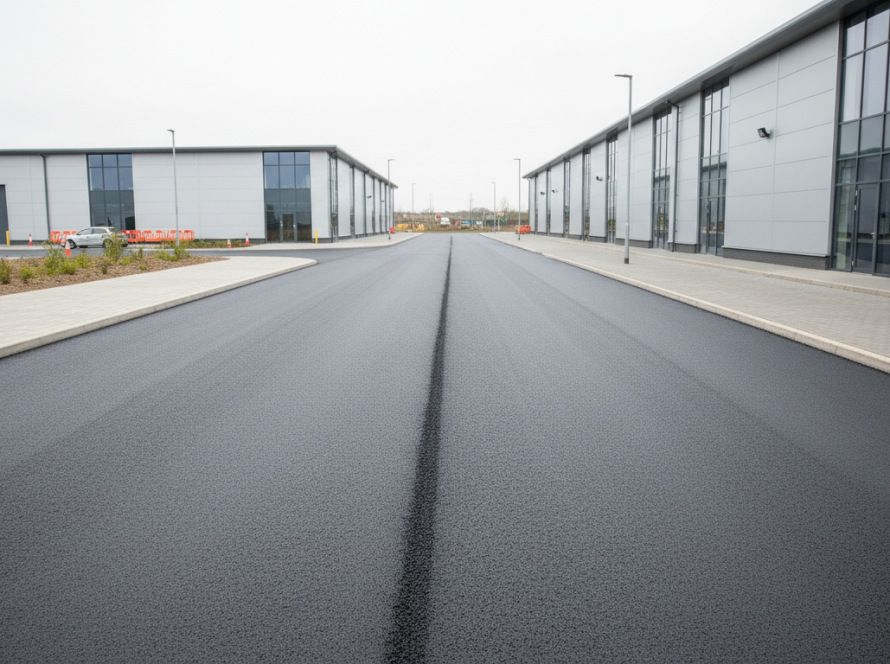
Road resurfacing over old tarmac UK projects involve applying a new wearing course on top of an existing asphalt surface. This process is often referred to as an overlay. When carried out under the right conditions, it can restore appearance, improve performance, and extend the lifespan of a road without the need for excavation.
The key is understanding when the existing surface is structurally sound enough to support a new layer and when deeper issues make resurfacing a short-term fix rather than a long-term solution.
When Resurfacing Over Old Tarmac Works
Structurally Sound Base
The most important requirement for resurfacing is a stable foundation. If the underlying tarmac and sub-base remain intact, an overlay can perform very well. Minor surface wear, light cracking, or fading are all conditions where resurfacing is typically appropriate.
A structurally sound base means that the surface is not suffering from movement, sinking, or widespread deformation. In these cases, the new layer bonds effectively and provides a fresh, durable finish.
Professional contractors offering tarmac installation will always assess the condition of the existing surface before recommending an overlay.
Minor Surface Defects
Resurfacing is particularly effective when the issues are limited to the top layer. This includes surface-level cracks, slight unevenness, or cosmetic deterioration caused by weather exposure.
These types of defects do not indicate deeper structural problems. Instead, they reflect normal wear and tear over time. Applying a new layer restores smoothness and improves skid resistance while maintaining the integrity of the original construction.
Adequate Drainage Performance
If the existing surface already drains well, resurfacing can maintain or even improve water runoff. Proper drainage is essential to prevent long-term damage, and a new surface layer can enhance this by correcting minor gradients or surface irregularities.
However, this only applies where drainage systems are already functioning correctly. If water is pooling or draining poorly, these issues must be addressed before resurfacing takes place.
Suitable Traffic Conditions
Resurfacing is often suitable for areas with moderate traffic levels, such as private roads, car parks, and light-use commercial access routes. In these environments, the existing structure is less likely to have suffered from deep fatigue or load-related damage.
For sites with heavier use, such as service yards or industrial estates, a more detailed assessment is required. In many cases, resurfacing can still be effective, provided the base remains strong.
When Resurfacing Over Old Tarmac Fails
Structural Failure Beneath the Surface
One of the most common reasons resurfacing fails is because underlying problems are not addressed. If the sub-base has weakened or the existing tarmac is structurally compromised, adding a new layer will not resolve these issues.
Instead, the defects will reflect through the new surface over time. This often appears as cracking, sinking, or rutting in the same locations as before. In such cases, resurfacing becomes a temporary measure rather than a lasting solution.
Extensive Cracking and Movement
Widespread cracking is a clear indication that the surface has reached the end of its lifespan. This is especially true if cracks are deep, interconnected, or accompanied by movement.
These conditions suggest that the structure is no longer stable. Simply covering the surface will not restore its strength. Without proper intervention, the new layer will quickly deteriorate.
In situations like this, more comprehensive solutions offered through commercial road surfacing are often required to ensure long-term reliability.
Poor Drainage Conditions
If the existing surface suffers from drainage issues, resurfacing can make the problem worse. Water trapped beneath the new layer can weaken the structure and lead to rapid deterioration.
Standing water, blocked drainage channels, or incorrect surface gradients must be resolved before any resurfacing takes place. Ignoring these issues will significantly reduce the lifespan of the new surface.
Potholes and Deep Surface Damage
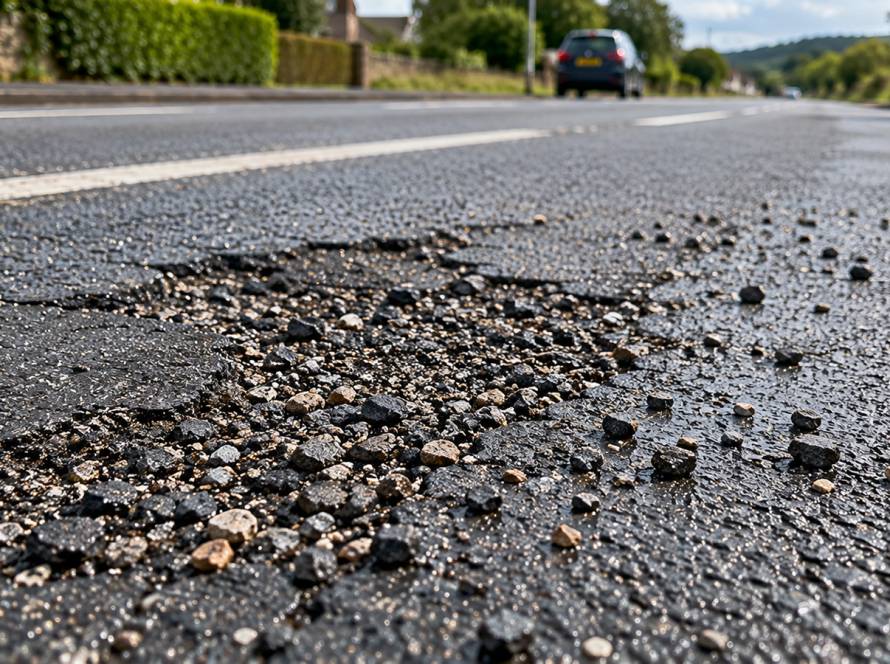
Potholes are not just surface defects. They indicate that the structure beneath has already begun to fail. Resurfacing over potholes without proper repair will only mask the issue temporarily.
Effective repair work, such as professional pothole repairs, is essential before considering an overlay. In many cases, extensive pothole damage points towards the need for partial or full reconstruction.
Excessive Layer Build-Up
Another often overlooked issue is the accumulation of multiple surface layers over time. Each resurfacing adds thickness, which can eventually create problems with kerb heights, drainage levels, and access points.
If a surface has already been overlaid several times, further resurfacing may no longer be practical. At this stage, removing existing layers and rebuilding the surface properly becomes the more effective approach.
The Importance of Proper Assessment
Before any resurfacing project begins, a thorough assessment is essential. This involves evaluating the condition of the existing tarmac, the strength of the sub-base, and the performance of drainage systems.
Experienced contractors will carry out detailed inspections to determine whether resurfacing is appropriate. This ensures that the chosen solution delivers long-term value rather than short-term improvement.
Relying on visual appearance alone is not sufficient. A surface may look worn but still be structurally sound, or it may appear acceptable while hiding deeper issues.
Preparation Requirements for Successful Resurfacing
Even when resurfacing is suitable, proper preparation is critical. The existing surface must be cleaned, repaired, and in some cases, treated to ensure a strong bond between layers.
Cracks may need sealing, damaged areas repaired, and the surface profile adjusted to create an even base. Without this preparation, the new layer may not adhere correctly, leading to premature failure.
Using professional techniques such as machine lay tarmac ensures consistent application and compaction, which are essential for durability.
Cost Considerations and Long-Term Value
Resurfacing is often chosen because it is more cost-effective than full reconstruction. However, this only holds true when it is the right solution for the condition of the road.
If resurfacing is applied to a failing structure, the need for future repairs or replacement will quickly outweigh any initial savings. In contrast, when used appropriately, resurfacing provides excellent value by extending the life of the existing surface.
Property owners should consider not just the upfront cost, but the long-term performance and maintenance requirements of the surface.
Making the Right Decision
Deciding whether to resurface over old tarmac depends on a combination of factors, including structural condition, usage requirements, and long-term goals.
Where the existing surface is stable and defects are limited to the top layer, resurfacing is a practical and efficient solution. It restores functionality and appearance with minimal disruption.
Where deeper issues are present, investing in more extensive work ensures better performance and avoids repeated repairs. Understanding this distinction is key to making informed decisions about road surfacing.
Conclusion
Road resurfacing over old tarmac UK projects can deliver strong results when applied under the right conditions. A stable base, minor surface wear, and effective drainage all support successful overlays. However, when structural problems exist, resurfacing alone is not enough.
Careful assessment, proper preparation, and professional installation determine whether resurfacing will perform well over time. For property owners and site managers, taking a considered approach ensures that the chosen solution provides lasting durability rather than temporary improvement.