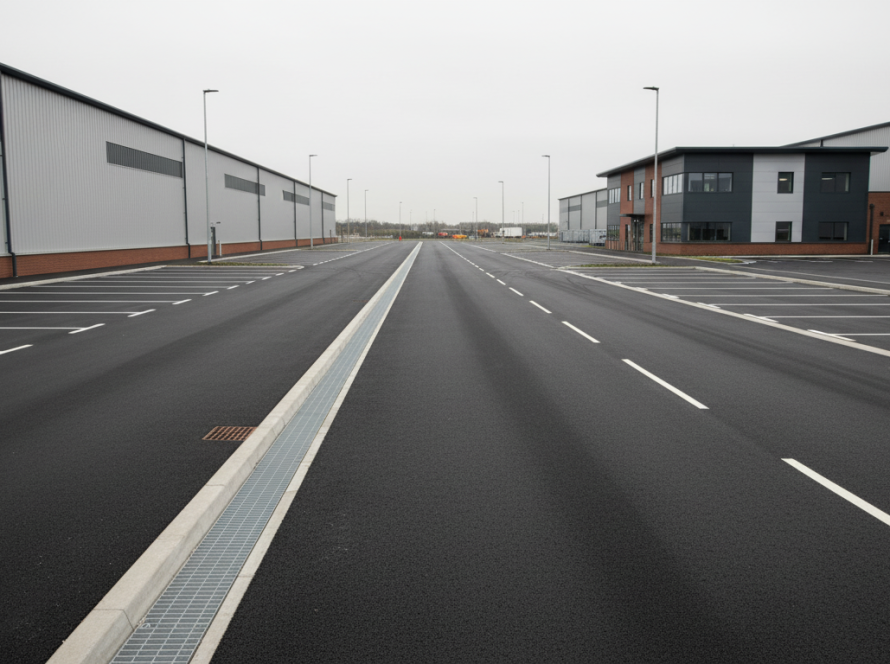
Selecting the right contractor for a road surfacing project is one of the most important decisions a property owner or site manager can make. Whether the project involves a private access road, commercial yard, or large-scale development, the quality of workmanship directly affects durability, safety, and long-term maintenance costs.
In the UK, where weather conditions, traffic demands, and drainage requirements all place pressure on road surfaces, working with a competent and experienced contractor is essential. A well-executed surface can last for many years with minimal intervention, while poor installation can lead to premature failure, costly repairs, and operational disruption.
Understanding what to look for in a road surfacing contractor helps ensure that your investment delivers reliable performance over time.
Understanding the Scope of Road Surfacing Work
Before selecting a contractor, it is important to clearly understand the scope of your project. Road surfacing is not a single process but a combination of stages that include preparation, sub-base installation, drainage considerations, and the final surface layer.
A professional contractor will assess site conditions carefully, including ground stability, expected traffic load, and environmental factors. This ensures that the chosen materials and construction methods are appropriate for the intended use.
For example, commercial access roads require a different approach compared to residential driveways or lightly used private lanes. Contractors offering specialised commercial surfacing services will typically have experience in designing surfaces that can withstand frequent heavy vehicle use without deteriorating prematurely.
Experience and Industry Knowledge
Experience is one of the most reliable indicators of a contractor’s capability. Established contractors bring a depth of knowledge that allows them to anticipate challenges and provide effective solutions before issues arise.
An experienced contractor will understand how factors such as soil conditions, drainage patterns, and traffic intensity influence surface performance. They will also be familiar with UK standards and best practices, ensuring that the work complies with relevant regulations.
Reviewing previous projects is a practical way to assess experience. Looking at completed work through a project portfolio can give insight into the contractor’s ability to handle different types of surfacing requirements and site conditions.
Importance of Proper Installation Methods
The longevity of a road surface depends heavily on how well it is installed. Even high-quality materials can fail if the installation process is rushed or poorly executed.
Professional contractors follow a structured process that includes thorough ground preparation, accurate grading, and proper compaction. Each stage contributes to the overall strength and stability of the finished surface.
For instance, the use of appropriate techniques such as machine lay tarmac ensures a consistent and even finish. This method improves surface uniformity and reduces weak points that could lead to cracking or deformation over time.
Attention to detail during installation is often what separates long-lasting surfaces from those that require early repairs.
Evaluating Materials and Techniques
Not all surfacing materials are suitable for every project. A reliable contractor will recommend materials based on the specific requirements of your site rather than offering a one-size-fits-all solution.
Tarmac is one of the most commonly used materials for UK road surfacing due to its durability, flexibility, and cost-effectiveness. When installed correctly through professional tarmac installation, it provides a smooth and resilient surface capable of handling varying traffic conditions.
In some cases, alternative materials or finishes may be more appropriate, particularly where aesthetics or permeability are important. A knowledgeable contractor will explain these options clearly and outline the advantages and limitations of each.
Assessing Reliability and Professionalism
Reliability is a critical factor when choosing a contractor, particularly for projects that must be completed within specific timeframes. Delays can disrupt operations, increase costs, and create logistical challenges.
A professional contractor will provide a clear timeline, communicate effectively throughout the project, and adhere to agreed schedules wherever possible. They will also demonstrate transparency in their pricing, ensuring that there are no unexpected costs once work begins.
Professionalism is also reflected in how a contractor manages the site. This includes maintaining safety standards, minimising disruption, and ensuring that the work area is kept organised and secure.
The Role of Maintenance and Aftercare
Even the best-installed road surfaces require some level of maintenance over time. Choosing a contractor who offers ongoing support can help extend the lifespan of your surface and prevent minor issues from becoming major problems.
Services such as pothole repairs are essential for addressing localised damage before it spreads. Prompt maintenance not only improves safety but also reduces the need for more extensive and costly resurfacing work in the future.
A contractor who provides aftercare advice and maintenance services demonstrates a commitment to long-term performance rather than just completing the initial installation.
Health, Safety, and Compliance
Road surfacing projects must comply with UK health and safety regulations to protect workers, site users, and the surrounding environment. A reputable contractor will prioritise safety at every stage of the project.
This includes conducting risk assessments, using appropriate signage and barriers, and ensuring that all equipment is operated by trained personnel. Compliance with regulations is not only a legal requirement but also an indicator of a contractor’s professionalism and reliability.
Working with a contractor who understands and adheres to these standards reduces the risk of accidents and ensures that the project runs smoothly.
Communication and Project Planning
Clear communication is essential for a successful road surfacing project. From the initial consultation to project completion, the contractor should provide regular updates and be available to address any concerns.
Effective planning involves coordinating materials, equipment, and labour to ensure that each stage of the project progresses efficiently. Contractors with strong organisational skills are better equipped to manage complex projects and adapt to unexpected challenges.
Good communication also helps ensure that the final result meets your expectations, as any adjustments or requirements can be discussed and implemented throughout the process.
Balancing Cost and Value
Cost is always an important consideration, but it should not be the sole deciding factor when choosing a contractor. Lower prices can sometimes indicate compromises in materials, workmanship, or project management.
A more reliable approach is to assess the overall value offered by the contractor. This includes the quality of materials, the standard of installation, and the level of service provided.
Investing in a reputable contractor may involve a higher initial cost, but it often results in a more durable surface that requires less maintenance over time. This can lead to significant savings in the long run.
Conclusion
Choosing the right road surfacing contractor requires careful consideration of experience, materials, installation methods, and overall professionalism. A well-chosen contractor will not only deliver a high-quality surface but also provide guidance and support throughout the project.
By focusing on long-term performance rather than short-term cost, property owners and site managers can ensure that their road surfacing investment delivers reliable results for years to come. Careful selection reduces the risk of early failure, minimises maintenance requirements, and ensures that the finished surface meets both functional and safety expectations.