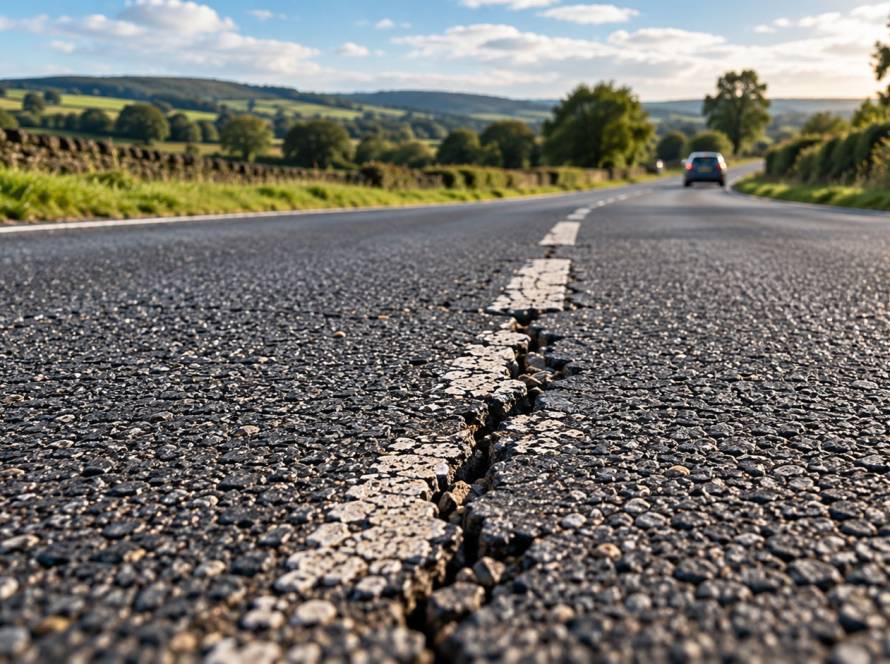
Resurfacing projects are often expected to provide a long-lasting, low-maintenance solution for roads, car parks, and access routes. However, it is not uncommon for surfaces to begin deteriorating within just a few years. Cracks appear, potholes develop, and the overall condition declines far sooner than anticipated. For property owners and commercial site managers, this can be both frustrating and costly.
Understanding why some projects fail early is essential for avoiding the same outcome. In most cases, early deterioration is not caused by a single fault but by a combination of design decisions, preparation standards, material choices, and installation quality. Recognising these factors allows for better planning and more durable results.
Inadequate Site Preparation
One of the most significant causes of early road surface failure is poor site preparation. Before any surfacing material is applied, the existing ground must be assessed and properly prepared to support the new structure.
If unsuitable materials are left in place or the ground is not properly stabilised, the surface above will eventually reflect those weaknesses. Movement beneath the surface leads to cracking, sinking, and uneven areas that worsen over time.
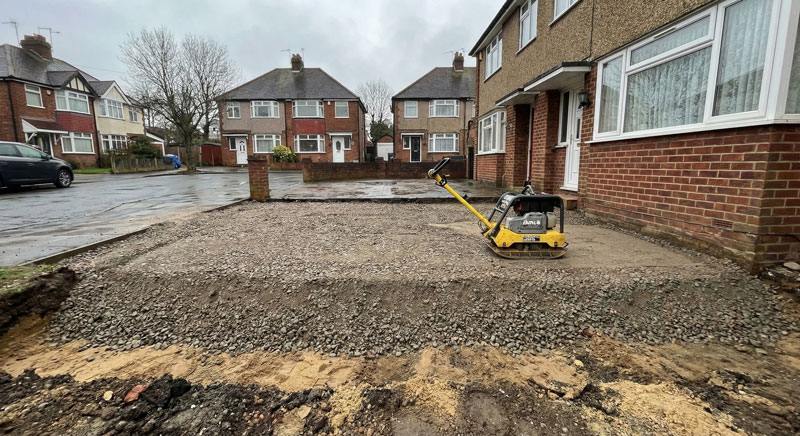
Proper preparation includes excavation, levelling, and ensuring the formation layer is stable and well-compacted. Without this foundation, even the highest-quality surfacing materials will struggle to perform as expected.
Weak or Poorly Installed Sub-Base
The sub-base is the structural backbone of any resurfacing project. Its role is to distribute loads evenly and provide a stable platform for the surface layer. When the sub-base is inadequate, the entire system becomes vulnerable.
A poorly constructed sub-base may be too thin, uneven, or made from unsuitable materials. It may also suffer from insufficient compaction, leaving voids that reduce its strength. Over time, these issues lead to surface deformation, particularly under repeated traffic loads.
Professional commercial road surfacing projects prioritise correct sub-base installation to ensure long-term durability and consistent performance.
Poor Drainage Design
Water is one of the most damaging elements in road construction. Without proper drainage, water can infiltrate the surface and weaken the underlying layers. This often leads to rapid deterioration, particularly during colder months when freeze-thaw cycles occur.
Standing water is a clear sign of inadequate drainage. It indicates that the surface has not been designed with appropriate gradients or runoff solutions. Over time, water penetration softens the sub-base and accelerates cracking and pothole formation.
Effective drainage design must be integrated from the outset. This includes shaping the surface correctly and incorporating drainage channels where necessary to prevent water accumulation.
Incorrect Material Selection
Not all resurfacing materials are suitable for every application. One common reason projects fail early is the use of materials that do not match the demands of the site.
For example, a surface designed for light domestic use may not withstand the stress of commercial traffic. Similarly, using lower-grade materials to reduce upfront costs often results in higher long-term expenses due to frequent repairs.
Choosing the right specification is essential. High-quality tarmac installation ensures that materials are selected based on traffic levels, load requirements, and environmental conditions.
Inadequate Compaction
Compaction is a critical step in the surfacing process. It ensures that materials are dense, stable, and capable of supporting traffic loads. If compaction is not carried out correctly, the surface will contain air voids that weaken its structure.
These voids allow water to penetrate more easily and reduce the surface’s resistance to wear. As a result, cracking and rutting can develop much sooner than expected.
Achieving proper compaction requires the right equipment, correct timing, and experienced operators. Techniques such as machine lay tarmac help ensure consistent thickness and compaction across the entire surface.
Underestimating Traffic Load
Traffic load is a crucial consideration in any resurfacing project. Surfaces that are not designed to handle the expected volume or type of traffic will deteriorate quickly.
Commercial environments often involve heavy goods vehicles, delivery vans, and frequent turning movements. These forces place significant stress on the surface, particularly in areas such as entrances, junctions, and loading zones.
If the design does not account for these factors, the surface may begin to deform or crack within a short period. Proper planning ensures that thickness, materials, and construction methods are suitable for the intended use.
Environmental Factors and Weather Conditions
Weather plays a significant role in both the installation and lifespan of a resurfaced area. Laying materials in unsuitable conditions, such as heavy rain or low temperatures, can compromise bonding and compaction.
Over time, exposure to the elements also contributes to wear and tear. Temperature fluctuations cause expansion and contraction, while moisture accelerates material breakdown.
Although environmental conditions cannot be controlled, their impact can be minimised through careful scheduling and the use of appropriate materials designed for UK climates.
Lack of Edge Support
Edge restraints are often overlooked but are essential for maintaining the integrity of a surfaced area. Without proper support at the edges, the material can begin to spread and weaken.
This is particularly important for roads and access areas where vehicles frequently drive close to the edges. Without reinforcement, these areas are more prone to cracking and collapse.
Installing effective edge restraints helps contain the surface and prevents lateral movement, contributing to overall stability.
Poor Workmanship
Even with the correct design and materials, poor workmanship can lead to early failure. Inconsistent application, incorrect layer thickness, and lack of attention to detail all affect the final outcome.
Quality control during installation is essential to ensure that every stage meets the required standards. Experienced contractors follow established procedures to maintain consistency and avoid defects.
Choosing a reputable contractor with proven experience significantly reduces the risk of workmanship-related issues.
Delayed Maintenance
No surface is completely immune to wear. Small defects can develop over time, but when they are addressed early, they are usually simple and cost-effective to repair.
Delaying maintenance allows minor issues to escalate. Cracks widen, water penetrates deeper, and structural damage becomes more severe. Eventually, what could have been a minor repair may require full resurfacing.
Regular inspections and timely interventions, including pothole repairs, are essential for extending the lifespan of any surfaced area.
Taking a Long-Term Approach
Early resurfacing failure is often the result of short-term decision-making. Cutting corners during preparation, using cheaper materials, or rushing installation may reduce initial costs but almost always leads to higher expenses later.
A long-term approach considers the full lifecycle of the surface. This includes proper design, high-quality materials, skilled installation, and ongoing maintenance. When all these elements are aligned, the result is a durable surface that performs reliably for many years.
Conclusion
Some resurfacing projects fail within a few years because critical aspects of the process are overlooked or underestimated. Issues such as poor ground preparation, weak sub-bases, inadequate drainage, and incorrect material choices all contribute to early deterioration.
For property owners and commercial site managers, understanding these risks is key to making better decisions. Investing in quality from the outset ensures that resurfacing projects deliver lasting value, minimise disruption, and maintain safe, functional surfaces over time.