Surface texture is one of the most important yet often overlooked aspects of road construction. While many property owners focus on the strength of the materials or the thickness of the layers, the texture of the finished surface plays a crucial role in both safety and long-term durability.
In practical terms, surface texture refers to the fine and coarse characteristics of a road’s top layer. It determines how tyres interact with the surface, how water is dispersed, and how the road withstands repeated use. In the UK, where wet conditions are frequent, getting this balance right is essential for ensuring reliable performance.
Surface texture is not simply about appearance. It directly affects how a road functions under real-world conditions, influencing everything from vehicle control to how quickly the surface begins to wear.
The Link Between Surface Texture and Safety
Skid Resistance and Vehicle Control
One of the primary safety benefits of proper surface texture is improved skid resistance. A well-textured surface provides the friction needed for tyres to grip the road effectively, particularly during braking or cornering.
If a surface is too smooth, especially in wet conditions, vehicles are more likely to lose traction. This increases stopping distances and raises the risk of accidents. On the other hand, a surface with the correct level of texture allows water to disperse quickly while maintaining consistent tyre contact.
This is particularly important for commercial access roads and busy sites where vehicles frequently start, stop, and turn under load.
Water Drainage and Surface Interaction
Surface texture plays a key role in how water behaves on a road. Micro-texture helps break through the thin film of water that forms during rainfall, while macro-texture allows water to escape through small surface channels.
Without adequate texture, water can accumulate on the surface, leading to standing water or even aquaplaning in more extreme cases. Over time, this not only creates safety hazards but also contributes to structural damage as water begins to penetrate the surface layers.
Properly designed finishes, delivered through professional tarmac installation, ensure that both grip and drainage are optimised from the outset.
Visibility and Surface Definition
Although less obvious, surface texture can also influence visibility. A well-finished surface reflects light more evenly, improving clarity for drivers in low-light or wet conditions. Uneven or worn textures can create glare or patchy reflections, making it harder to judge road conditions accurately.
For sites with regular traffic or limited lighting, this can be an important consideration in maintaining a safe environment.
How Surface Texture Affects Durability
Resistance to Wear and Tear
Surface texture is closely linked to how a road withstands ongoing use. A properly compacted and textured surface distributes loads more evenly, reducing localised stress points that can lead to early wear.
If the surface is too smooth or poorly finished, it may appear visually acceptable at first but will often degrade more quickly under traffic. This can result in surface polishing, where the texture wears down and reduces grip over time.
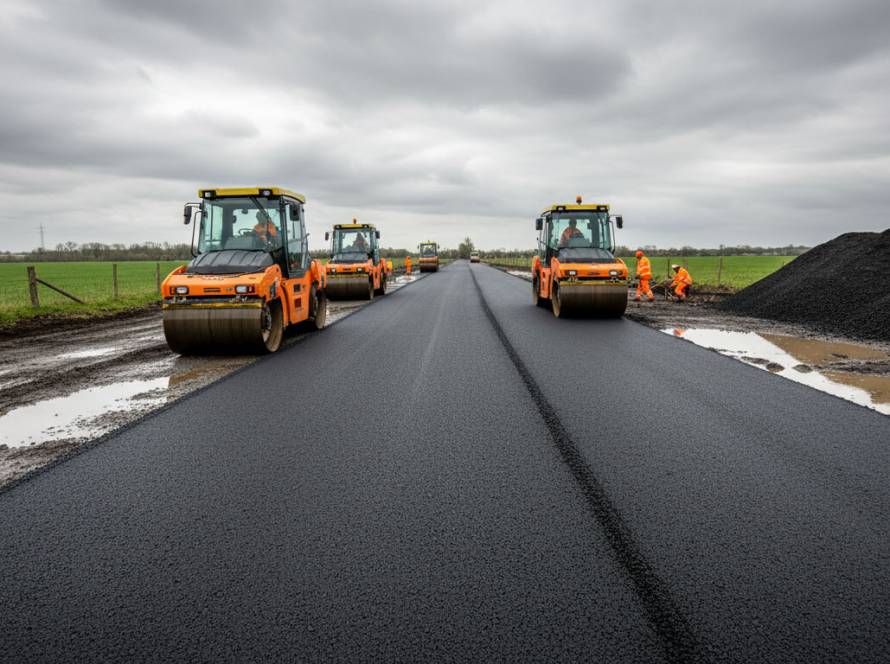
Using consistent application methods such as machine lay tarmac helps ensure that the texture is uniform and durable across the entire surface.
Protection Against Water Ingress
Water is one of the main causes of long-term surface deterioration. A well-textured surface helps direct water away efficiently, reducing the risk of it seeping into the underlying layers.
When water penetrates the surface, it weakens the structure, particularly during freeze-thaw cycles common in the UK. This can lead to cracking, expansion, and eventual surface failure.
By maintaining the right balance of texture, the surface acts as a protective barrier, extending the lifespan of the entire construction.
Prevention of Surface Defects
Incorrect surface texture can contribute to the development of defects such as cracking, rutting, and potholes. For example, insufficient texture may allow water to collect, while excessive roughness can lead to accelerated wear under heavy traffic.
Over time, these issues can escalate, requiring targeted interventions such as pothole repairs to restore safety and functionality.
A properly finished surface reduces the likelihood of these problems, ensuring consistent performance over the long term.
Types of Surface Texture in Road Surfacing
Micro-Texture
Micro-texture refers to the fine-scale roughness of the aggregate particles within the surface. This is critical for maintaining grip at lower speeds and in dry conditions.
The quality of the aggregate material plays a significant role here. Hard, durable stones retain their texture longer, providing consistent performance over time.
Macro-Texture
Macro-texture relates to the larger-scale surface features that allow water to drain away. This is particularly important for higher-speed roads or areas exposed to heavy rainfall.
Balancing macro-texture ensures that water does not remain on the surface while still maintaining a smooth and stable driving experience.
Texture Depth and Uniformity
The depth and consistency of the texture across the surface are just as important as the type of texture itself. Uneven finishes can lead to inconsistent performance, with some areas becoming more prone to wear or water accumulation.
Professional installation ensures that texture is applied evenly, supporting both safety and durability across the entire site.
Factors That Influence Surface Texture Quality
Material Selection
Different materials produce different textures. The size, shape, and hardness of aggregates all influence the final finish. Selecting the right combination is essential for achieving the desired balance between grip and durability.
Installation Techniques
The method used to lay the surface has a direct impact on texture quality. Poor compaction or inconsistent application can result in uneven finishes that compromise performance.
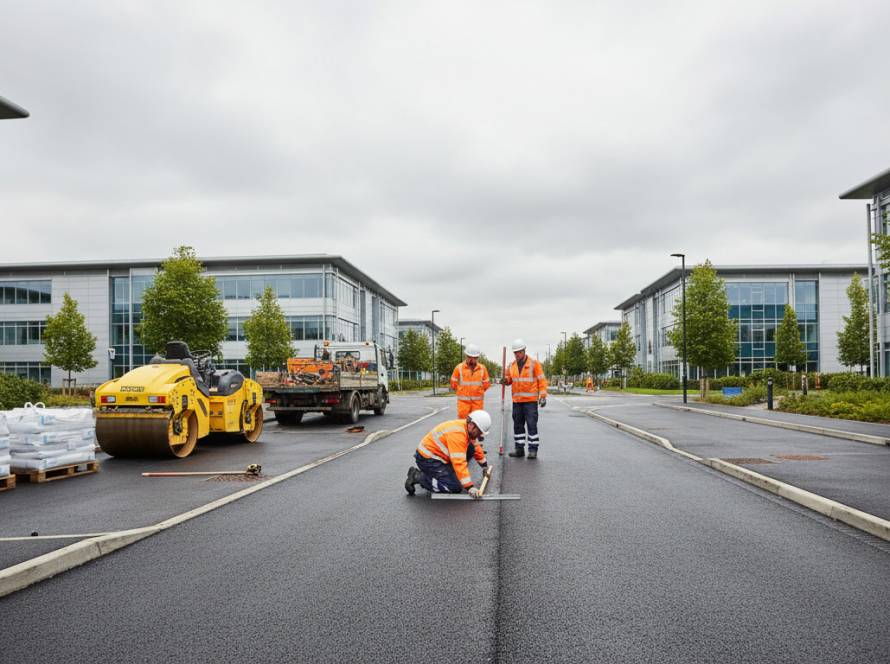
Experienced contractors delivering commercial surfacing solutions use precise techniques to ensure that the texture meets both safety and structural requirements.
Traffic Patterns
The type and volume of traffic will gradually affect surface texture. Heavy vehicles, frequent turning, and braking can all contribute to wear, altering the surface over time.
Regular monitoring helps identify changes in texture before they begin to impact safety or durability.
Environmental Conditions
Weather conditions in the UK play a major role in how surface texture performs. Rain, temperature fluctuations, and seasonal changes all influence how the surface evolves.
Designing the texture with these conditions in mind ensures that the road remains functional throughout the year.
Maintaining Surface Texture Over Time
Surface texture is not static. Even with the best materials and installation, it will change as the road is used. Regular maintenance is essential to preserve both safety and durability.
Routine inspections allow for early identification of issues such as surface polishing or minor defects. Addressing these problems promptly prevents more extensive damage and helps maintain consistent performance.
Maintenance strategies should be tailored to the specific use of the road, taking into account traffic levels, environmental exposure, and the original construction design.
The Importance of Professional Expertise
Achieving the correct surface texture requires a combination of technical knowledge, appropriate materials, and precise installation methods. It is not something that can be left to chance or treated as a secondary consideration.
Professional contractors understand how to balance the competing demands of grip, drainage, and durability. By applying proven techniques and industry standards, they ensure that the finished surface performs as intended over the long term.
This level of expertise is particularly important for commercial and high-use environments, where safety and reliability are critical.
Conclusion
Surface texture is a fundamental element of road surfacing that directly impacts both safety and durability. From improving skid resistance and water drainage to protecting against long-term wear, the quality of the surface finish influences how a road performs throughout its lifespan.
By understanding the role of texture and investing in professional installation and maintenance, property owners can ensure that their surfaces remain safe, functional, and cost-effective for years to come.