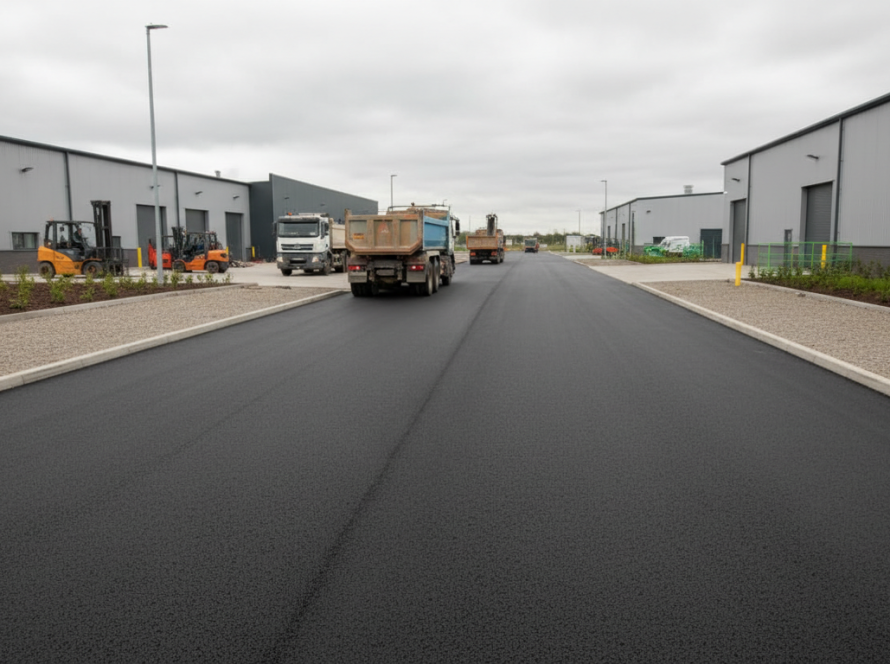
The performance of any road surface is strongly influenced by the climate in which it is installed. In the United Kingdom, weather patterns play a significant role in how road surfacing materials behave over time. Frequent rainfall, fluctuating temperatures, and seasonal weather extremes all affect the durability and stability of road structures.
Understanding the UK road surfacing climate impact is essential when planning new access roads, resurfacing commercial areas, or upgrading existing infrastructure. Contractors must carefully consider weather conditions during both the design and installation stages to ensure the finished surface performs reliably for many years.
Commercial property owners and site managers often focus on the visible aspects of a surface such as appearance or smoothness. However, long-term performance is largely determined by how well the surface and its supporting layers handle the environmental conditions they are exposed to throughout the year.
Professional contractors providing commercial surfacing and road surfacing services take these environmental factors into account when designing road structures. By adapting materials and construction methods to suit local climate conditions, they can significantly extend the lifespan of the surface.
Rainfall and Surface Water Management
Rainfall is one of the most influential weather factors affecting UK road surfaces. The UK experiences regular precipitation throughout the year, which places constant pressure on road drainage systems and surface materials.
When water remains on the surface for extended periods, it gradually finds its way into small cracks or imperfections. Once water penetrates the surface layer, it can weaken the lower structural layers of the road, eventually leading to deformation or failure.
Effective drainage design and careful installation are therefore critical components of climate-resistant road surfacing. Properly graded surfaces allow water to flow away quickly rather than pooling on the carriageway.
High-quality installation methods such as machine lay tarmac help ensure the finished surface maintains consistent levels and gradients. This accuracy allows water to move away from the road efficiently, reducing the risk of long-term damage caused by standing water.
For commercial access roads and industrial estates where traffic is frequent, preventing water accumulation is essential for maintaining safe driving conditions.
Temperature Fluctuations and Material Movement
Temperature changes also play a significant role in road surface performance. Although the UK does not experience extreme heat compared to some regions, seasonal temperature variations still affect asphalt and tarmac materials.
During warmer weather, road surfaces may soften slightly under heavy traffic loads. In contrast, colder temperatures can make the surface more brittle. This natural expansion and contraction cycle places stress on the road structure.
Over time, repeated temperature fluctuations can lead to cracking or surface fatigue if the road has not been designed correctly. Proper compaction and material selection help minimise the risk of these issues.
Professional tarmac installation services use carefully formulated asphalt mixtures that are suitable for UK conditions. These materials are designed to remain flexible enough to handle temperature changes while maintaining sufficient strength to support vehicle loads.
This balance between flexibility and durability is essential for surfaces that must endure seasonal weather cycles year after year.
Freeze-Thaw Cycles and Structural Damage
One of the most damaging climate-related processes affecting UK roads is the freeze-thaw cycle. During winter months, water that has entered small cracks or gaps within the surface can freeze when temperatures drop below zero.
As water freezes, it expands. This expansion places pressure on the surrounding material and gradually forces the crack to widen. When temperatures rise again, the ice melts, leaving behind a slightly larger void within the surface.
Repeated freeze-thaw cycles accelerate this process, eventually causing visible surface damage such as cracks, loose aggregate, or potholes. Once these defects form, water can enter more easily, leading to rapid deterioration.
Timely surface maintenance and professional pothole repairs are essential for addressing early damage caused by winter weather. Repairing small defects quickly helps prevent them from developing into larger structural problems.
Wind, Debris, and Surface Wear
While rainfall and temperature receive most attention, wind and environmental debris also influence road conditions. Strong winds can carry sand, gravel, and other abrasive materials across the surface of roads, particularly in rural or exposed locations.
These particles gradually wear down the surface texture, reducing grip over time. In industrial areas, debris from nearby operations may also contribute to surface wear.
Maintaining a durable surface finish helps ensure the road retains sufficient traction for vehicles. This is especially important in areas where commercial traffic or heavy vehicles are common.
Regular inspection of road surfaces allows site managers to identify early signs of wear and address them before they compromise safety or structural integrity.
Seasonal Installation Considerations
Weather conditions do not only affect roads after installation; they also influence how and when road surfacing work can take place. Asphalt and tarmac materials must be laid at specific temperatures to achieve proper compaction and bonding.
Cold or wet conditions can interfere with the installation process, making it difficult to achieve the required density and surface finish. As a result, many road surfacing projects are scheduled during periods of stable weather whenever possible.
Experienced contractors carefully monitor weather forecasts and site conditions before beginning surfacing work. This ensures materials are installed under suitable conditions, allowing the finished surface to perform as intended.
Property developers and site managers planning new infrastructure can benefit from reviewing previous projects to understand how professional contractors manage these challenges. Examining completed installations within a contractor’s project portfolio provides useful insight into the quality and durability of their work across different environments.
Material Selection for UK Conditions
Different surfacing materials respond differently to environmental conditions. Choosing the right material for the specific application is therefore an important part of designing climate-resilient roads.
Dense asphalt and high-quality tarmac mixtures are commonly used in the UK because they provide a balance of durability, flexibility, and weather resistance. These materials are capable of handling both heavy rainfall and moderate temperature fluctuations.
The thickness of the surface layer, the quality of the sub-base, and the compaction process all contribute to how well the finished road withstands environmental stress. A well-constructed road structure can resist water infiltration, temperature movement, and traffic loads simultaneously.
This integrated approach to design ensures the road performs reliably even in challenging weather conditions.
Long-Term Maintenance in a Changing Climate
Climate patterns in the UK have shown increasing variability in recent years, with periods of heavier rainfall and occasional temperature extremes becoming more common. These changes place additional demands on road infrastructure.
For commercial sites, regular inspection and maintenance help ensure that road surfaces continue to perform effectively despite these changing conditions. Addressing minor defects early prevents more extensive repairs later.
Maintenance activities may include crack sealing, surface repairs, drainage cleaning, and periodic resurfacing where necessary. By maintaining the road proactively, property owners can extend the lifespan of the installation and reduce overall lifecycle costs.
Professional surfacing contractors can provide guidance on the most effective maintenance strategies for specific site conditions.
Planning Roads That Withstand UK Weather
The UK road surfacing climate impact highlights the importance of designing surfaces that can cope with environmental challenges from the outset. Weather cannot be controlled, but road construction techniques can be adapted to ensure surfaces remain durable and safe.
By combining high-quality materials, accurate installation methods, and effective drainage design, contractors can build road structures that perform consistently throughout the year.
For commercial developments, industrial estates, and private access roads, investing in climate-aware surfacing design helps protect infrastructure and maintain safe access regardless of the weather.
Careful planning, professional installation, and ongoing maintenance together ensure that road surfaces remain resilient in the face of the UK’s ever-changing climate.