Traffic load is one of the most critical considerations in any road surfacing project. In the UK, access roads, commercial estates, industrial yards, and private developments are exposed to a wide range of vehicle weights and movement patterns. The term traffic load refers not only to how heavy vehicles are, but also how often they use the surface, how they manoeuvre, and how forces are transferred through the pavement structure over time.
When traffic load is underestimated at the design stage, the surface may initially appear sound but will often deteriorate far sooner than expected. Cracking, deformation, rutting, and surface failure are commonly linked to inadequate design for actual site use. For property owners and site managers, understanding how traffic load influences road surfacing design helps ensure the correct construction approach is selected from the outset.
Types of Traffic Load and Their Impact on Surfaces
Traffic load is not a single uniform force. Different types of vehicle activity affect road surfaces in different ways, and these variations must be accounted for during design and installation.
Light Vehicle Traffic
Light vehicle traffic typically includes cars, vans, and occasional delivery vehicles. While these vehicles exert relatively low individual loads, repeated daily use can still place stress on the surface if the sub-base and surfacing layers are insufficient. Residential developments, private estates, and small commercial access roads often fall into this category, although usage patterns can change over time.
Heavy Goods Vehicles and Commercial Traffic
Heavy goods vehicles generate significantly higher loads and exert deeper stress into the pavement structure. Industrial estates, construction access roads, service yards, and retail delivery routes require road surfacing designed specifically to accommodate frequent heavy vehicle movements. Without adequate layer thickness and compaction, heavy traffic can quickly lead to rutting and structural failure.
Turning and Braking Forces
Traffic load is not limited to vertical weight. Areas where vehicles turn, brake, or accelerate experience additional horizontal forces that place strain on the surface. Junctions, entrances, loading bays, and turning heads are particularly vulnerable. These locations often require enhanced surfacing design compared to straight-running sections of road.
How Traffic Load Influences Road Surfacing Design Decisions
Designing a road surface involves balancing structural strength, durability, and cost. Traffic load directly influences several key design decisions that determine how well the surface will perform over its lifespan.
Sub-Base Construction and Thickness
The sub-base provides the foundation that distributes traffic load into the ground below. Heavier and more frequent traffic demands a stronger, thicker sub-base constructed from well-graded, compacted materials. Inadequate sub-base construction is one of the most common causes of premature road surface failure, particularly on commercial sites where usage intensifies after completion.
Choice of Surfacing Material
Traffic load affects the suitability of different surfacing materials. Tarmac and asphalt are commonly used in the UK due to their flexibility and ability to accommodate varying loads when properly designed. For high-traffic commercial environments, professionally installed surfaces using proven methods such as commercial surfacing and road surfacing provide the durability required for long-term performance.
Layer Thickness and Structural Design
Road surfacing layers must be thick enough to resist deformation under load. Heavier traffic requires increased thickness in both base and surface courses. Attempting to reduce costs by installing thinner layers often results in higher maintenance and repair costs later. Proper structural design ensures the surface can withstand traffic stresses without cracking or rutting.
Traffic Load Assessment During Project Planning
Accurate assessment of expected traffic load is essential before any road surfacing work begins. This process involves evaluating both current and future site usage to avoid under-designing the surface.
Current Site Use
Understanding how a site is used at present provides a baseline for design. This includes identifying vehicle types, delivery schedules, and areas of frequent turning or queuing. For construction sites, temporary access routes may need to accommodate extremely heavy vehicles during active works.
Future Traffic Increases
Many road surfaces fail because future traffic load was not considered. A residential development may later see increased delivery traffic, or a commercial site may expand operations. Designing with future usage in mind provides resilience and reduces the likelihood of costly resurfacing work later.
The Role of Professional Installation in Managing Traffic Load
Even the best design can fail if installation quality is poor. Traffic load places immediate and ongoing stress on a newly laid surface, making professional workmanship essential.
Correct Compaction Techniques
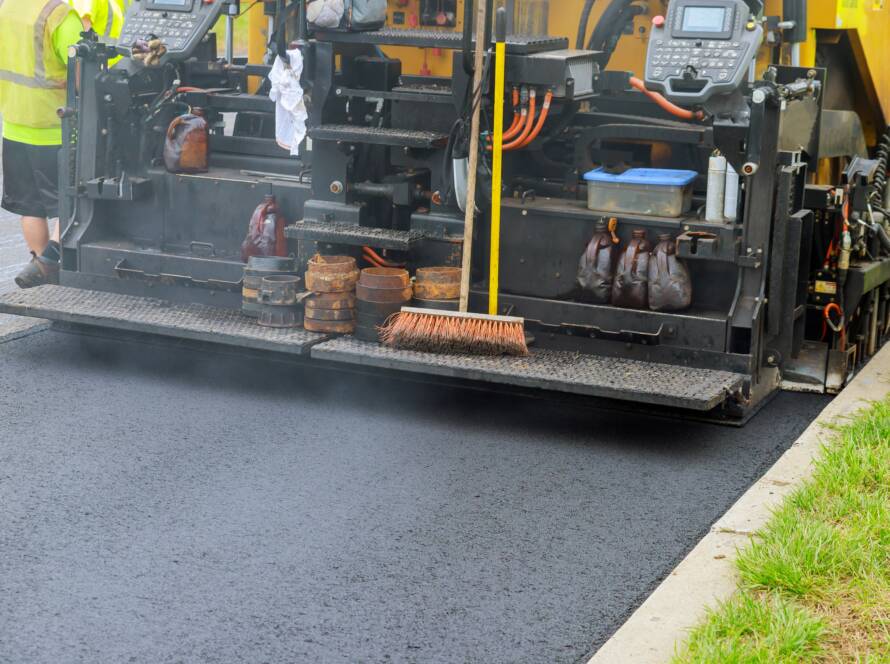
Compaction ensures that each layer of the road structure can resist traffic loads effectively. Poor compaction leaves voids that allow movement under load, leading to surface deformation. Using appropriate machinery and techniques, such as those employed in machine lay tarmac, helps achieve consistent density and long-term stability.
Edge Support and Containment
Traffic load causes surfaces to spread laterally if edges are not properly restrained. This is particularly important on access roads and service yards where heavy vehicles operate close to edges. Strong edge support prevents cracking and maintains surface integrity under load.
Drainage Considerations
Water weakens road structures by reducing the strength of the sub-base and underlying ground. Traffic load combined with poor drainage accelerates deterioration. Proper drainage design ensures water is directed away from the pavement structure, preserving its load-bearing capacity.
Common Problems Caused by Inadequate Traffic Load Design
When traffic load is underestimated or ignored, several issues tend to emerge, often within a relatively short period after installation.
Surface rutting is a common problem where heavy vehicles repeatedly travel along the same path. This creates depressions that collect water and increase wear. Cracking often follows as the surface flexes beyond its design capacity. In severe cases, potholes can develop, requiring reactive repairs such as pothole repairs to maintain safety and access.
These problems not only affect appearance but also pose safety risks and disrupt site operations. Addressing them after failure is significantly more expensive than designing correctly from the start.
Tailoring Road Surfacing Solutions to Traffic Load
There is no one-size-fits-all approach to road surfacing. Each site requires a tailored solution based on traffic load, ground conditions, and operational requirements.
For light-use access roads, a well-designed tarmac surface with appropriate sub-base preparation may be sufficient. For commercial and industrial environments, heavier-duty solutions using increased layer thickness and robust installation methods are essential. Professional services such as tarmac installation and road surfacing services ensure that traffic load considerations are fully integrated into the design and construction process.
Long-Term Performance and Maintenance Planning
Designing for traffic load is not solely about initial construction. It also influences long-term maintenance planning. A surface designed to handle expected loads will require less frequent intervention, reducing disruption and lifecycle costs.
Regular inspections help identify early signs of stress, particularly in high-load areas such as entrances and turning zones. Addressing minor issues promptly helps preserve structural integrity and extends the service life of the road.
Why Traffic Load Should Never Be an Afterthought
Traffic load directly affects every aspect of road surfacing design, from material selection to construction methodology. Treating it as an afterthought often results in surfaces that look acceptable initially but fail prematurely under real-world conditions.
For UK property owners and site managers, investing in properly designed road surfacing that reflects actual traffic demands provides long-term reliability, safety, and value. A surface that performs well under load supports efficient site operations and reduces the need for disruptive and costly repairs.