Resin driveways have become one of the most popular choices for homeowners across the UK thanks to their attractive appearance, permeability, and long-lasting performance. While many people focus on the finished look, there are several important considerations that rarely get discussed before the installation begins.
Understanding what happens beneath the surface, how the existing driveway affects the project, and what maintenance is required afterwards can help you make an informed investment. A professionally installed resin driveway can provide decades of reliable service, but only when the preparation and installation are completed correctly.
If you’re considering a new resin driveway, knowing these often-overlooked factors will help ensure the finished result meets both your expectations and practical needs.
The Existing Base Is Often More Important Than the Resin
One of the biggest misconceptions is that resin can simply be laid over any existing driveway. In reality, the condition of the base underneath determines whether the finished surface will remain stable for years to come.
An experienced installer will inspect the existing foundation before recommending the best approach. If the current surface has movement, cracks caused by structural failure, or poor drainage, these issues must be resolved before any resin is installed.
Attempting to cover an unsuitable base may initially look attractive, but problems beneath the surface will eventually transfer through to the finished driveway.
Drainage Matters More Than Most Homeowners Realise
Many people assume that because resin-bound surfaces are permeable, drainage no longer needs consideration. Although the surface allows rainwater to pass through, the overall driveway design still plays a crucial role.
Water needs somewhere to drain once it passes through the resin layer. Poor gradients, blocked drainage channels or inadequate sub-base construction can all contribute to standing water beneath the surface.
Professional installation includes careful assessment of gradients and water management to ensure the driveway performs efficiently throughout the year, particularly during periods of heavy rainfall common across the UK.
Not All Resin Systems Are the Same
Many homeowners compare quotations purely on price without understanding that different resin products offer varying levels of durability.
High-quality UV-stable resin maintains its colour for significantly longer and resists yellowing caused by sunlight. Lower-cost alternatives may appear similar initially but can discolour over time, particularly with lighter aggregate colours.
The quality of the aggregate itself also influences the finished appearance, consistency, and lifespan of the driveway.
Preparation Takes Longer Than Installation
The installation of the resin surface itself is often completed surprisingly quickly. However, much of the project’s success depends on the preparation work carried out beforehand.
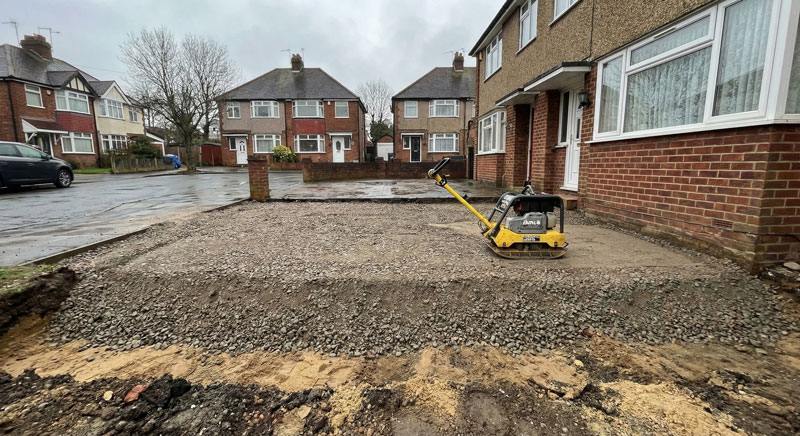
This may include excavation, repairing or replacing the sub-base, improving drainage, installing edging restraints, and ensuring correct compaction throughout the foundation.
While this preparation can represent a significant portion of the project timeline, it provides the structural support required for long-term performance.
Companies offering comprehensive surfacing services understand that investing time in preparation reduces the likelihood of future repairs.
Weather Conditions Can Affect Installation
Unlike some other driveway materials, resin installation is highly dependent on suitable weather conditions.
Heavy rain, freezing temperatures or excessive humidity can affect curing and bonding. Professional contractors monitor weather forecasts carefully and may adjust installation dates to ensure the resin achieves its intended strength.
Although delays can occasionally be inconvenient, they often prevent more significant issues developing later.
Colour Choice Has Long-Term Implications
Selecting an aggregate colour involves more than personal preference.
Lighter colours often create a clean contemporary appearance but may show tyre marks or organic debris more readily. Darker blends can hide dirt more effectively while complementing traditional brickwork or older properties.
Many homeowners benefit from viewing completed installations before making a final decision, allowing them to see how colours appear in natural British daylight rather than relying solely on sample boards.
You can often gain inspiration by browsing completed projects within a contractor’s project portfolio.
Maintenance Is Simple but Still Necessary
One of the advantages of resin driveways is their relatively low maintenance requirements compared with block paving.
However, low maintenance does not mean maintenance free.
Occasional sweeping removes leaves and debris before they encourage moss growth. Gentle pressure washing helps maintain appearance, while prompt removal of oil spills reduces staining risks.
Keeping drainage points clear also ensures the permeable surface continues functioning efficiently throughout the seasons.
Tree Roots Can Still Cause Problems
Even the highest quality resin installation cannot prevent large tree roots from expanding beneath a driveway.
If mature trees are located close to the installation area, your contractor should assess any potential future movement before construction begins.
Planning around existing landscaping can reduce the likelihood of structural issues developing several years after installation.
Edging Is More Important Than Appearance
Many homeowners view edging simply as a decorative border.
In reality, edging provides structural restraint that helps maintain the integrity of the resin surface over time.
Properly installed edging prevents lateral movement, protects the driveway perimeter, and creates clean transitions to lawns, pathways, or public footpaths.
Without adequate restraints, even a well-installed resin surface may become vulnerable to edge deterioration.
Vehicle Usage Should Influence the Design
Every driveway experiences different loading conditions.
A household with one small family car places significantly less stress on the surface than properties accommodating multiple vehicles, motorhomes or commercial vans.
Professional installers consider anticipated traffic levels when designing the foundation, ensuring the sub-base thickness and construction are appropriate for long-term use.
Where heavier traffic is expected, additional groundwork may be recommended to maximise durability.
Choosing the Right Installer Makes the Biggest Difference
The finished appearance of a resin driveway depends as much on workmanship as it does on materials.
Experienced contractors understand correct mixing ratios, laying techniques, curing requirements, and quality control procedures. They also identify potential problems before work begins, helping to avoid expensive remedial work later.
Looking beyond the cheapest quotation often results in better long-term value, particularly when installation quality contributes directly to the lifespan of the driveway.
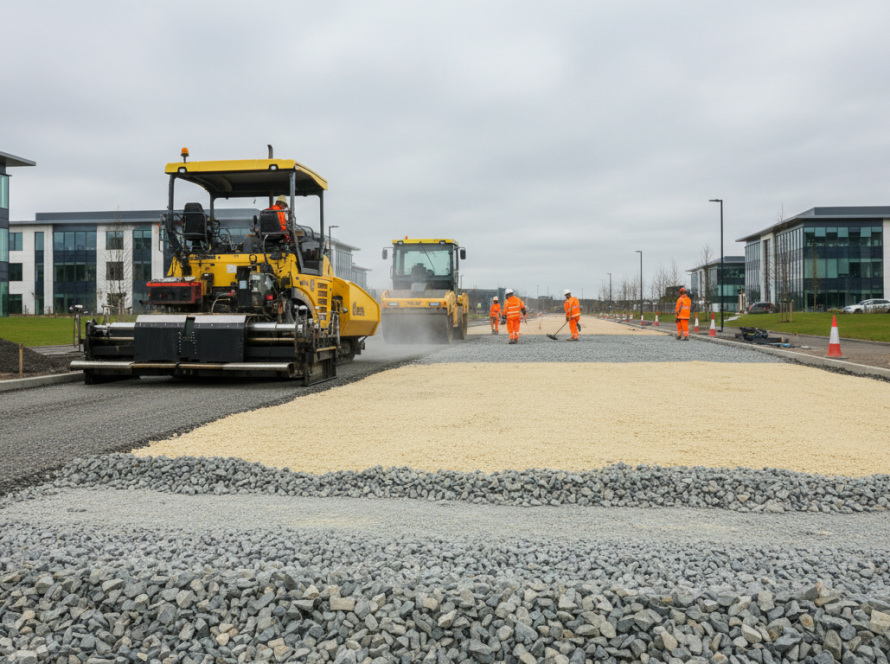
For homeowners considering wider access improvements or larger surfacing projects, experienced specialists in commercial surfacing and road surfacing often bring valuable expertise in foundation construction and long-term pavement performance.
Investing in Preparation Delivers Better Long-Term Results
A resin driveway offers far more than kerb appeal. When designed correctly and installed on a properly prepared foundation, it provides an attractive, durable and practical surface capable of serving a property for many years.
Understanding what happens before the resin is laid allows homeowners to make informed decisions, ask better questions during quotations, and appreciate why professional preparation is essential. Rather than focusing solely on the finished appearance, considering drainage, base construction, materials, edging and installation quality will help ensure your investment continues to perform long after the installers have left.