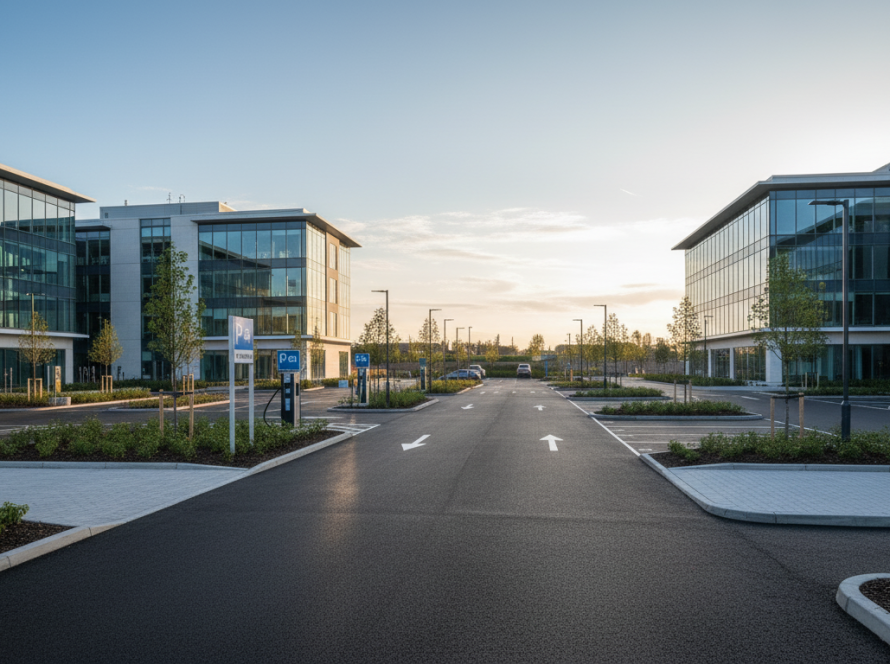
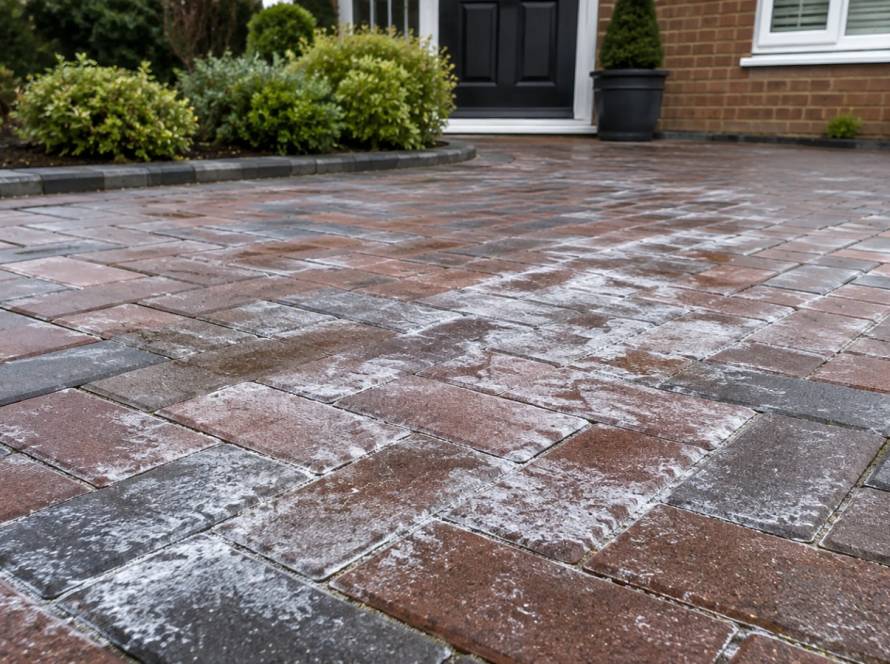
The entrance to a property or commercial site is often judged before anyone reaches the front door, reception area, loading bay, or car park. A muddy, uneven, or poorly drained entrance can make an otherwise well-managed site appear neglected. For residential properties, it can affect kerb appeal and daily convenience. For commercial premises, farms, industrial yards, and development sites, it can influence safety, vehicle access, customer confidence, and the professional impression visitors take away.
A muddy entrance is rarely just a cosmetic issue. It usually points to a surface that is no longer coping with the demands placed on it. Vehicles may be tracking mud onto the highway, pedestrians may be stepping around puddles, and delivery drivers may struggle with soft or unstable ground. Over time, repeated vehicle movement can worsen the problem, creating ruts, standing water, loose material, and increasingly difficult access.
A properly surfaced entrance changes how a site functions. It creates a clean, stable, and durable approach that supports regular traffic and presents the property in a more professional way. Whether the entrance serves a home, business park, private lane, farmyard, industrial unit, or commercial forecourt, the right surfacing solution can turn a problem area into a practical and visually tidy access point.
The Common Problems Caused by Muddy Entrances
Muddy entrances often develop where unbound ground, compacted soil, worn stone, or damaged tarmac is exposed to regular vehicle movement. Once the surface becomes unstable, water begins to collect and soften the area further. This creates a cycle where each vehicle movement adds more wear, pushing material aside and deepening surface defects.
For property owners, this can become frustrating because the area may look untidy even when the rest of the site is well maintained. Tyres carry mud onto driveways, footpaths, car parks, and public roads. During wet weather, the entrance can become slippery and unpleasant to walk across. During drier periods, loose dust and debris may still make the site look unfinished.
For commercial site managers, the impact can be more serious. A poor entrance can slow down deliveries, affect customer access, increase cleaning requirements, and create avoidable maintenance costs. Heavy vehicles turning in and out of a site can quickly damage weak ground, especially where there is no properly designed sub-base or drainage strategy.
Professional surfacing helps address these issues by replacing unstable ground with a structured, load-bearing surface. The finished result is not simply neater; it is easier to maintain, safer to use, and better suited to daily traffic.
From Temporary Fixes to Long-Term Surfacing
Many muddy entrances are initially treated with temporary measures. Loose aggregate may be added, boards may be placed over soft areas, or damaged sections may be filled in after heavy rain. These approaches can sometimes provide short-term relief, but they rarely solve the underlying problem.
The issue is that mud and weak ground are symptoms of poor surface structure. Without proper excavation, ground preparation, compaction, drainage, and surfacing, the entrance will continue to move, hold water, and break down. Loose stone can migrate under traffic, especially at turning points, slopes, and gateways. Patching soft areas without addressing water flow can also lead to repeated failure.
A long-term solution usually involves assessing the use of the entrance, preparing the ground correctly, installing a suitable sub-base, managing water movement, and applying a durable surface finish. This is where professional tarmac installation can provide a practical and reliable answer for many residential and commercial entrances.
The aim is not only to create a tidy finish but to build a surface that works with the site conditions. A driveway entrance used by cars will have different requirements from a business access road used by vans, HGVs, forklifts, or agricultural machinery. Understanding those demands is essential if the finished surface is expected to last.
The Role of Ground Preparation
Ground preparation is one of the most important stages in transforming a muddy entrance. If the existing ground is soft, uneven, or waterlogged, placing new surfacing directly over it is unlikely to produce a durable result. The surface may look acceptable at first, but movement below the finished layer can lead to cracking, sinking, rutting, and early deterioration.
Good preparation starts with removing unsuitable material and creating a stable formation. The depth of excavation depends on the existing ground conditions and the expected traffic load. Once the weak material has been removed, the area can be built back up with suitable sub-base material, compacted in layers to provide support.
Compaction is especially important at entrances because vehicles often brake, accelerate, and turn in the same location. These movements place concentrated stress on the surface. If the layers below are poorly compacted, the finished entrance may deform under regular use. A properly prepared base helps distribute weight and reduces the risk of settlement.
For commercial entrances, preparation may also need to consider edge support, kerbing, drainage channels, gradients, and connections to existing roadways or car park surfaces. This is why site-specific planning is so important. A well-surfaced entrance is built from the ground up, not just finished at the top.
Drainage and Water Management
Mud is closely linked to water. Where water cannot drain away properly, ground conditions weaken and surface materials break down more quickly. A professional entrance upgrade should therefore consider how rainwater moves across and away from the area.
Poor drainage may show itself through standing water, soft ground, algae growth, surface staining, or repeated pothole formation. At entrances, water can also collect where a private surface meets a public road, pavement, kerb line, or existing hardstanding. If this is not managed correctly, the new surface may suffer premature wear.
Drainage design may involve adjusting falls, installing channels, improving the surrounding levels, or directing water towards suitable drainage points. The exact approach depends on the layout of the site. On some properties, a slight change in gradient may be enough to prevent pooling. On others, particularly commercial yards or larger access roads, a more structured drainage solution may be needed.
Managing water properly protects both the appearance and performance of the entrance. It helps prevent puddles, reduces the risk of slippery surfaces, and limits the chance of water penetrating weak points in the construction. For sites where access needs to remain reliable throughout the year, drainage is not an optional extra; it is central to long-term performance.
Choosing the Right Surface for the Entrance
The best surface for a muddy entrance depends on how the area is used, the condition of the existing ground, the desired appearance, and the expected level of traffic. Tarmac is a common choice because it provides a smooth, durable, and practical finish for driveways, access roads, commercial entrances, and service areas.
For larger areas or sites where consistency and efficiency are important, machine lay tarmac may be suitable. This approach can deliver an even finish across wider access roads, car parks, and commercial surfaces where hand-laid work may not be the most efficient option.
Commercial entrances often need a stronger specification than a domestic driveway. Vans, delivery vehicles, refuse lorries, and HGVs all place greater stress on the construction. Turning movements can also cause surface wear if the material and depth are not appropriate. A professional assessment helps ensure the entrance is built to match the actual conditions rather than relying on a generic surface depth.
For properties where appearance is a major consideration, the finish should complement the surrounding site. A clean tarmac entrance can create a smart, understated look that suits both modern and traditional settings. The key is to combine visual improvement with practical performance.
Improving Safety and Accessibility
A muddy entrance can create safety issues for drivers, pedestrians, visitors, and staff. Uneven ground can increase the risk of trips, especially where people are getting in and out of vehicles. Puddles can hide defects, while loose or soft ground can make access difficult for wheelchair users, pushchairs, delivery trolleys, and maintenance equipment.
For commercial sites, a clean and stable entrance supports safer traffic management. Vehicles can enter and exit more predictably, pedestrians have clearer routes, and the risk of mud being carried into working areas is reduced. This can be particularly important for sites with customer parking, shared access routes, loading areas, or regular supplier visits.
A professional surface can also help define the entrance more clearly. When the boundary between road, entrance, parking area, and pedestrian access is tidy and well finished, the site feels more organised. This matters for first impressions, but it also helps users understand how to move through the space.
Accessibility is often improved through better levels, smoother transitions, and reduced surface disruption. A well-planned entrance should not create awkward edges, sudden dips, or areas where water collects. The objective is a surface that feels natural to use and remains dependable during typical British weather.
The Commercial Value of a Professional Entrance
For businesses, the condition of the entrance can influence how the site is perceived. A muddy or damaged access point may suggest poor maintenance, even if the business itself is well run. Customers, tenants, contractors, and suppliers all form impressions from the moment they arrive.
A professionally surfaced entrance supports a more polished and organised image. It can make a retail site feel more welcoming, an industrial unit feel better managed, and a business park feel more credible. For landlords and property managers, it can also help protect the value and usability of the site.
There is also a practical cost benefit. Muddy entrances can increase cleaning costs, contribute to vehicle mess, and lead to repeated short-term repairs. They may also cause damage to adjacent surfaces if loose material is dragged across tarmac, block paving, concrete, or internal flooring. Investing in proper commercial surfacing can reduce these ongoing issues by creating a stronger and more manageable entrance from the outset.
A professional entrance does not need to look excessive or decorative. In many cases, the most effective result is simple, clean, robust, and appropriate to the property. The value lies in making the area work properly every day.
When Repairs Are Enough and When Resurfacing Is Better
Not every poor entrance needs complete reconstruction. In some cases, isolated surface defects can be repaired, especially where the underlying base remains stable. Small potholes, localised cracking, or minor edge damage may be addressed through targeted repair work.
However, where an entrance is repeatedly becoming muddy, holding water, sinking, or breaking apart, repairs alone may not be enough. If the problem is caused by weak ground, inadequate sub-base, or poor drainage, patching the surface will only delay further deterioration. A more complete resurfacing approach may be needed to correct the cause.
Professional pothole repairs can be useful where defects are limited and the rest of the surface remains sound. For more widespread issues, resurfacing or full reconstruction may offer better long-term value. The right decision depends on the condition of the existing entrance, the traffic using it, and the level of performance required.
A good contractor will assess the site rather than recommend the same solution for every entrance. The most cost-effective option is the one that addresses the true problem, not simply the most visible damage.
Creating a Surface That Lasts
A durable entrance depends on a combination of correct design, suitable materials, skilled installation, and proper drainage. Each part of the process supports the next. A strong surface layer will not perform well if the base below is weak. Good materials will still fail early if water is allowed to undermine the construction. A neat finish will not remain attractive if the surface is not built for the traffic it receives.
Long-term performance also depends on how the surface is used and maintained. Keeping drainage points clear, addressing small defects early, and avoiding unnecessary overloading can all help extend the life of the entrance. For commercial sites, regular visual checks can identify early signs of wear before they become larger issues.
A properly surfaced entrance should make daily access easier and reduce the need for constant attention. It should remain stable in wet weather, support regular vehicle movement, and provide a cleaner transition from the road into the property. When planned and installed correctly, the result is a surface that improves both function and appearance.
A Better First Impression Starts at Ground Level
Transforming a muddy entrance into a professional first impression is about more than tidying up the front of a property. It is about creating a safe, durable, and practical access point that suits the way the site is used. For homeowners, it can improve kerb appeal and everyday convenience. For commercial site managers, it can support safety, efficiency, and a stronger professional image.
The most successful entrance upgrades begin with understanding why the existing surface has failed. Soft ground, poor drainage, insufficient sub-base, heavy traffic, and repeated turning movements can all contribute to muddy and unstable conditions. Once those causes are addressed, the finished surface can perform properly rather than simply covering the problem.
A clean, well-constructed entrance gives visitors confidence before they enter the property. It shows that the site is maintained, accessible, and ready for use. Whether the project involves a private driveway, shared access road, commercial forecourt, or industrial entrance, professional surfacing can turn a difficult approach into a reliable and presentable asset.