When discussing road construction or resurfacing, attention is often placed on thickness, sub-base quality, and drainage. While these elements are essential, road surfacing finishes UK projects rely heavily on the final surface texture to determine how the road performs over time. The finish is not simply cosmetic. It directly influences grip, water dispersion, durability, noise levels and long-term maintenance requirements.
For property owners and commercial site managers, the wrong surface finish can lead to premature wear, poor vehicle traction or unnecessary maintenance costs. Conversely, selecting an appropriate finish ensures that access roads, business parks, agricultural routes and private lanes function safely and efficiently throughout the year.
Understanding how different finishes behave under British weather conditions and traffic loads allows for better long-term planning and investment decisions.
What Is a Road Surface Finish?
A road surface finish refers to the final visible and functional layer of a road. It is the uppermost texture vehicles make contact with. In most UK commercial and private road settings, this involves asphalt or tarmac laid and compacted to achieve a specific texture and density.
The finish is determined by several factors including aggregate size, binder content, compaction methods and installation technique. Even small changes in aggregate grading can significantly alter skid resistance and water runoff behaviour.
Professional commercial surfacing and road surfacing services assess the intended use of the road before specifying the finish. A lightly trafficked private road requires a different surface characteristic compared to a loading yard or multi-vehicle entrance.
How Surface Texture Influences Grip and Safety
Skid Resistance in Wet Conditions
In the UK, rainfall is one of the most important considerations in surface design. A well-designed finish allows water to disperse quickly, maintaining tyre contact with the surface. If water cannot escape efficiently, vehicles may experience reduced grip during braking or turning.
A slightly textured finish improves friction between tyres and the road surface. This is particularly important in junctions, turning heads and sloped access roads where vehicles are more likely to brake or manoeuvre sharply.
An overly smooth finish may look neat initially but can become problematic in damp or icy conditions. On the other hand, an excessively coarse surface may increase tyre wear and generate additional road noise. Achieving the correct balance is key.
Performance Under Heavy Use
In areas such as service yards or industrial estates, vehicles frequently accelerate, brake and turn under load. Surface finishes must be robust enough to resist polishing. Polishing occurs when aggregate particles become smooth over time due to constant tyre friction, reducing skid resistance.
Correct aggregate selection and compaction methods reduce the likelihood of early polishing. High-stress areas often benefit from carefully specified machine-laid asphalt to ensure consistent texture and compaction levels, as seen in professional machine lay tarmac applications.
The Relationship Between Finish and Durability
Resistance to Surface Wear
Surface finishes directly affect how well a road resists abrasion. In commercial settings where delivery vehicles, refuse lorries or agricultural machinery operate daily, the top layer must withstand repeated stress.
A well-compacted finish distributes loads evenly across the surface. Poor compaction or incorrect aggregate grading can create weak points, leading to fretting, cracking or early surface breakdown.
Durability is not solely about thickness. Even a thick road structure can fail prematurely if the finish allows water ingress or suffers from poor aggregate interlock.
Protection Against Water Ingress
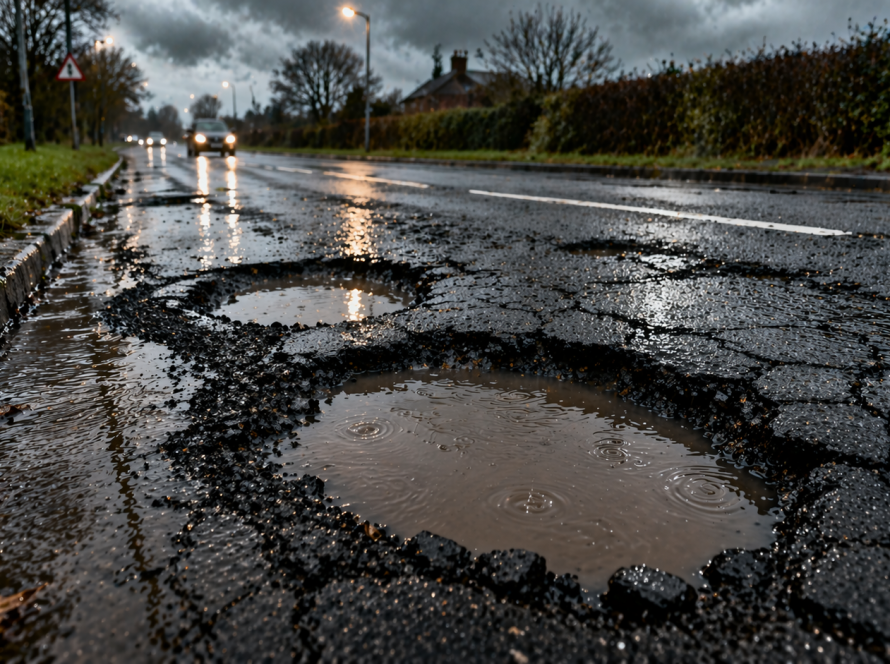
Water is one of the main causes of long-term surface failure. A properly finished road surface sheds water efficiently, preventing it from penetrating underlying layers. Once water enters the structure, freeze-thaw cycles can accelerate cracking and pothole formation.
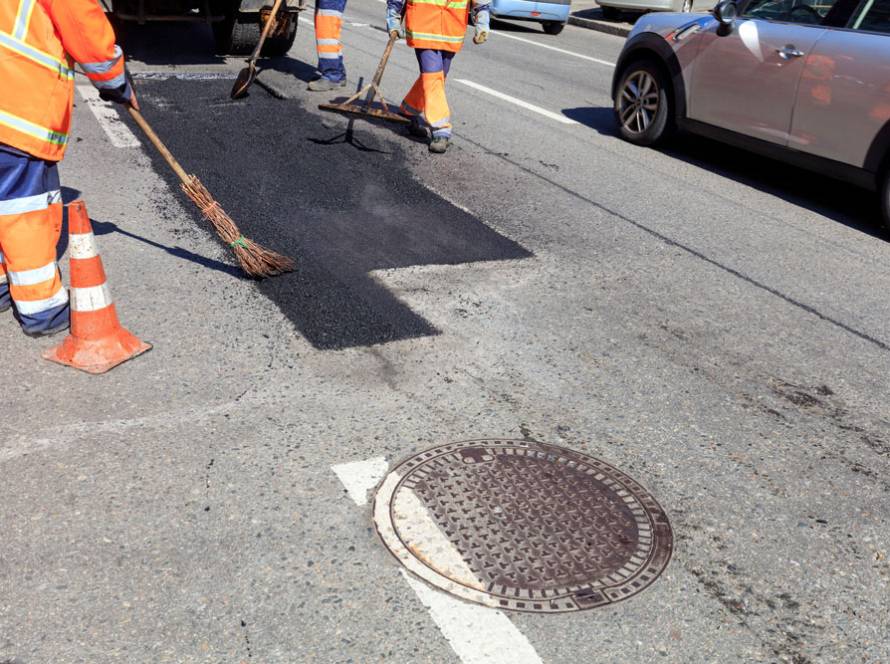
Where surface finishes are compromised, early intervention through pothole repairs can prevent wider structural deterioration. However, preventative design remains far more cost-effective than reactive maintenance.
Surface Finish and Drainage Performance
Drainage is not managed solely through channels and gullies. The surface itself plays an active role. The micro-texture of a road finish influences how quickly water disperses across and away from the carriageway.
In flat areas such as business parks or shared access roads, standing water can occur if the finish is too dense or poorly compacted. Even with adequate falls built into the design, an unsuitable surface texture can slow surface runoff.
Professional tarmac installation road surfacing services ensure that the finish works alongside the drainage design rather than against it. This integrated approach reduces long-term maintenance issues and improves safety.
Appearance and Perception in Commercial Environments
While performance remains the priority, appearance still matters. In commercial environments, the surface finish contributes to the overall presentation of a site. A consistent, well-laid finish reflects proper site management and attention to infrastructure.
Uneven texture, patchy compaction or visible segregation in the surface can give an impression of poor workmanship. For retail parks, office developments or managed estates, surface quality can influence how the entire site is perceived by visitors and tenants.
Finish consistency is often achieved through controlled laying processes and experienced operators who understand how weather conditions affect asphalt behaviour during installation.
Noise and Ride Quality Considerations
Surface finish also affects how a road sounds and feels under traffic. Coarser finishes may provide excellent grip but can generate higher tyre noise. This may not be a concern in remote industrial zones but could become an issue near residential properties.
Ride quality is another factor. A smooth, evenly compacted finish provides comfortable vehicle movement, reducing vibration. This is particularly important on long access roads where uneven finishes can lead to driver discomfort and increased wear on vehicles.
Balancing grip, durability and ride quality requires experience and careful material specification.
Choosing the Right Finish for Different Applications
Private Access Roads
For private roads serving a limited number of properties, the finish should prioritise durability and moderate skid resistance without unnecessary roughness. Traffic volumes are typically low, but reliability remains essential, particularly in winter conditions.
Industrial and Commercial Yards
Heavy vehicle traffic demands a more robust finish capable of resisting deformation and polishing. These areas benefit from dense, well-compacted surfaces that maintain structural integrity under repetitive loading.
Agricultural Roads
Farm roads often face mixed traffic, including tractors and heavy equipment. Surface finishes must withstand slow-moving heavy loads and occasional surface contamination from soil or organic material. Texture selection becomes particularly important to maintain grip in wet rural environments.
In all cases, engaging experienced contractors through comprehensive our services planning ensures that the chosen finish aligns with operational requirements.
Installation Quality and Its Impact on Finish
Even the best materials can underperform if installation is inconsistent. Temperature control, compaction timing and weather conditions all influence the final texture.
Asphalt that cools too quickly may not compact correctly, leaving a porous or uneven finish. Excessive rolling can crush aggregate and reduce surface texture. Skilled teams monitor these variables carefully during installation.
Quality control during laying ensures that the finished surface achieves the intended balance between smoothness and texture. This is particularly important on larger schemes where visual consistency across wide areas must be maintained.
Long-Term Maintenance Implications
Selecting the correct road surfacing finishes UK projects require reduces long-term maintenance demands. A suitable finish slows surface wear, reduces cracking and minimises water-related damage.
Where finishes are incorrectly specified, maintenance cycles shorten. This leads to higher lifecycle costs and more frequent disruption to site operations. Investing in appropriate surface texture at the outset often proves more economical over the lifespan of the road.
Routine inspections and minor reactive works help preserve surface integrity, but the foundation of long-term performance lies in selecting and installing the right finish from the beginning.
Conclusion
Road surfacing finishes UK projects depend on are far more than a visual detail. They influence grip, drainage, durability, noise levels and the overall lifespan of the road. For property owners and commercial site managers, understanding the role of surface texture allows for informed decisions that balance safety, performance and cost.
A properly specified and professionally installed finish ensures that roads perform reliably under British weather conditions and operational demands. Whether the project involves a private lane, industrial yard or commercial access road, surface finish remains a defining factor in long-term success.