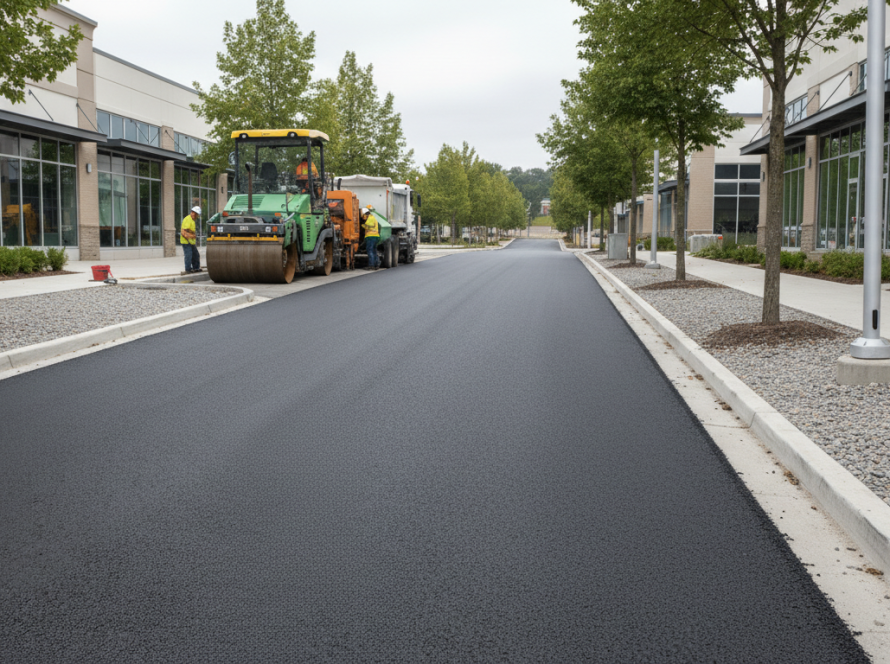
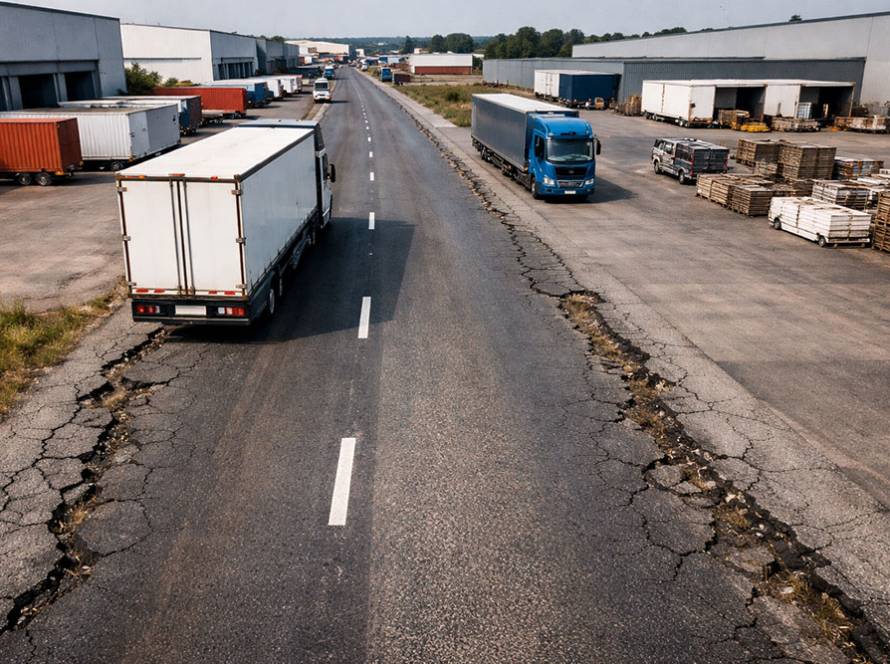
Choosing between temporary and permanent road surfacing is a common consideration for UK property owners, developers, and site managers. The correct option depends on how the surface will be used, how long it needs to perform, and the level of traffic it must withstand. Temporary road surfacing UK solutions are typically associated with short-term access needs, while permanent installations are designed to deliver long-term durability and structural performance. Understanding the distinction helps prevent unnecessary expense and avoids premature surface failure.
Road surfacing is not simply about providing a driving surface. It plays a critical role in safety, drainage management, load distribution, and site accessibility. Selecting the wrong type of surfacing can result in ongoing maintenance issues, operational disruption, and increased costs over time.
What Is Temporary Road Surfacing?
Temporary road surfacing refers to surfaces installed to support short-term access requirements. These are commonly used on construction sites, temporary access routes, event spaces, or phased development projects where the final surface will be installed later.
Temporary surfaces are designed to be functional rather than permanent. They prioritise speed of installation, adaptability, and ease of removal. While they can accommodate vehicle movement, they are not intended to deliver the same lifespan or finish as permanent solutions.
Common Uses for Temporary Road Surfacing UK Projects
Temporary road surfacing UK applications are widespread across commercial and industrial environments. Construction sites frequently rely on temporary access roads to allow safe entry for delivery vehicles, plant machinery, and workforce traffic. Utilities projects also use temporary surfacing to maintain access during groundworks or infrastructure upgrades.
In some cases, temporary surfacing is used on development sites where future layouts may change. Installing a permanent surface too early can lead to costly rework, making temporary solutions a practical interim measure.
Materials Used in Temporary Road Surfacing
Temporary road surfacing often uses materials that are quick to install and adaptable to changing site conditions. These can include compacted stone layers, cold-lay asphalt products, or modular systems designed for reuse. The focus is on providing sufficient load-bearing capacity for short-term traffic without the complexity of full structural build-ups.
Although these materials are functional, they generally lack the layered construction and compaction standards associated with permanent installations. As a result, they are more susceptible to wear, deformation, and weather-related deterioration.
What Is Permanent Road Surfacing?
Permanent road surfacing is designed for long-term use and is constructed to withstand repeated traffic loads, environmental exposure, and ongoing operational demands. These surfaces are engineered with a defined sub-base, base layers, and a durable wearing course to provide structural integrity and longevity.
Permanent installations are commonly used for commercial access roads, business parks, industrial estates, and private developments where reliable performance is essential. The construction process is more involved, but the result is a surface that delivers consistent performance over many years.
Key Features of Permanent Road Surfacing
Permanent road surfacing solutions prioritise strength, stability, and surface finish. Proper ground preparation and compaction ensure that loads are evenly distributed through the structure, reducing the risk of settlement or cracking. Drainage design is integrated to manage surface water and prevent water ingress that could undermine the sub-base.
Professional installation methods, such as tarmac installation, are commonly used to achieve a smooth, durable finish suitable for regular vehicle use. For larger areas and access roads, machine lay tarmac provides consistent thickness and compaction, improving overall surface performance.
Comparing Temporary and Permanent Road Surfacing Solutions
The primary difference between temporary and permanent road surfacing lies in lifespan and structural design. Temporary solutions are intended to meet immediate access needs, whereas permanent surfaces are built to last. This distinction influences everything from material selection to installation time and cost.
Temporary road surfacing UK options typically involve lower initial expenditure and faster installation. However, they often require more frequent maintenance and may not cope well with heavy or repeated traffic. Permanent road surfacing involves higher upfront costs but delivers better long-term value by reducing repair needs and operational disruption.
Traffic Load and Usage Considerations
Traffic load is a critical factor when deciding between temporary and permanent surfacing. Light vehicle access over a limited period may be adequately supported by a temporary surface. In contrast, frequent use by heavy goods vehicles or constant daily traffic demands a permanent solution.
Permanent road surfacing is engineered to manage turning stresses, braking forces, and sustained load pressures. Temporary surfaces may deteriorate quickly under these conditions, leading to surface deformation and safety concerns.
Drainage and Weather Resistance
UK weather conditions place significant demands on road surfaces. Rainfall, freeze-thaw cycles, and temperature fluctuations all affect surface performance. Permanent road surfacing incorporates drainage features and sealed finishes to protect underlying layers from moisture ingress.
Temporary road surfacing UK installations often provide limited drainage control. While adequate for short-term use, prolonged exposure to wet conditions can accelerate deterioration, especially on poorly prepared ground.
Cost Implications Over Time
While temporary road surfacing may appear cost-effective initially, long-term costs can accumulate if the surface requires repeated repairs or replacement. Ongoing patching, surface regrading, and reactive maintenance can quickly erode any initial savings.
Permanent road surfacing spreads its cost over a much longer service life. Reduced maintenance requirements and improved reliability often make it the more economical choice for sites with ongoing access needs. Where defects do occur, targeted interventions such as pothole repairs can extend service life without full resurfacing.
When Temporary Road Surfacing Is the Right Choice
Temporary road surfacing is appropriate where access is genuinely short-term or where site conditions are subject to change. Construction phases, temporary storage areas, and provisional access routes are typical examples. In these situations, flexibility and speed of installation are often more important than long-term durability.
Temporary solutions can also be suitable when future development plans are not yet finalised. Installing a permanent surface prematurely can lead to unnecessary removal and reinstatement costs later.
When Permanent Road Surfacing Is More Suitable
Permanent road surfacing is the preferred option for established access roads, commercial premises, and sites with predictable traffic patterns. Where safety, appearance, and reliability are priorities, a permanent installation provides confidence and consistency.
Businesses and property owners often choose permanent solutions as part of wider infrastructure planning, integrating road surfacing with drainage, kerbing, and pedestrian access. Professional commercial surfacing and road surfacing services ensure that surfaces meet operational and regulatory requirements.
Planning the Right Surfacing Solution
Selecting the correct road surfacing solution requires an understanding of site usage, traffic demands, and long-term objectives. Temporary and permanent options each have a place, but choosing appropriately avoids unnecessary expense and disruption.
Engaging experienced contractors and reviewing the full range of available our services helps ensure that the chosen solution aligns with practical needs rather than short-term assumptions. Proper assessment at the planning stage is essential for achieving reliable and cost-effective results.
Long-Term Performance and Site Management
Road surfacing plays a vital role in the day-to-day operation of a site. A surface that performs reliably supports efficient movement, reduces maintenance demands, and enhances overall safety. Whether temporary or permanent, the surface should always be matched to its intended use.
Understanding the differences between temporary and permanent road surfacing allows property owners and site managers to make informed decisions. By aligning surfacing choices with operational requirements, it is possible to achieve dependable access while managing costs effectively.