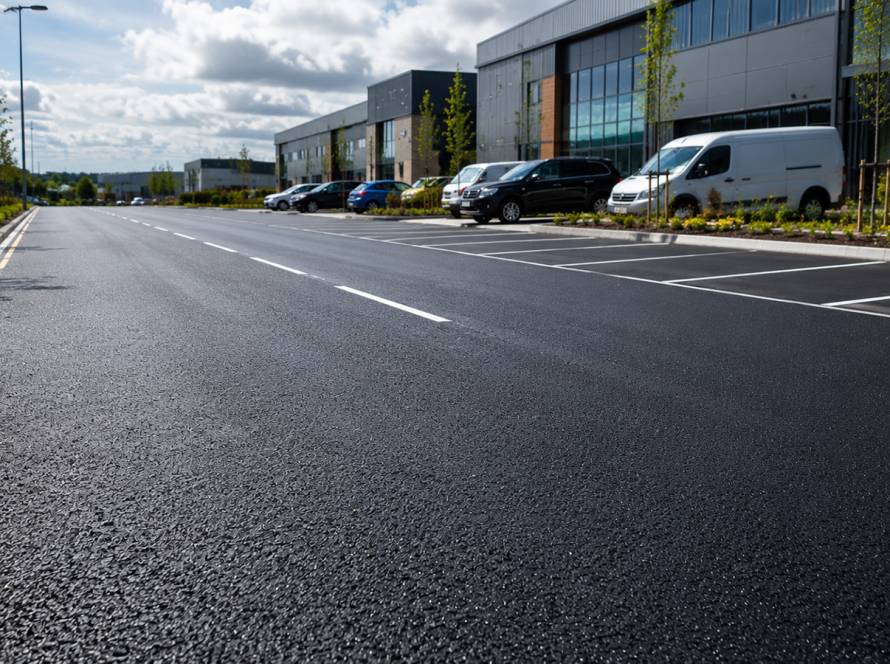
Managing disruption is one of the most important considerations when planning road surfacing works on occupied or operational sites. In the UK, many surfacing projects take place in live environments such as business parks, industrial estates, residential developments, healthcare facilities, and logistics hubs where uninterrupted access is essential. Disruption in these settings can affect safety, productivity, customer access, and overall site operations.
Road surfacing minimal disruption UK strategies focus on careful planning, clear communication, and choosing the right construction methods. Rather than approaching surfacing as a single disruptive event, experienced contractors treat it as a coordinated process that aligns with how a site functions day to day. This approach ensures that essential movements can continue while surface upgrades are completed efficiently.
The Importance of Early Project Planning
Effective planning is the foundation of low-disruption road surfacing. Before any machinery arrives on site, a thorough assessment of access routes, traffic patterns, peak usage times, and operational constraints is required. This allows the surfacing programme to be structured around how the site is used rather than forcing operations to adapt to construction.
Early planning also helps identify areas that can be completed in stages. Phasing works enables sections of road to remain open while others are resurfaced, which is particularly important for sites with single access points or high vehicle turnover. For commercial environments, this approach is commonly supported by professional commercial surfacing solutions designed specifically for live sites.
Phased Surfacing and Sectional Working
Phased surfacing is one of the most effective ways to minimise disruption. Instead of resurfacing an entire road or access area at once, the project is divided into manageable sections. Each section is completed and reopened before the next begins, maintaining continuous access throughout the works.
This method is especially valuable for business parks, shared access roads, and residential developments where full closures would be impractical. Sectional working also allows for better quality control, as each phase can be inspected and adjusted before progressing. When managed correctly, phased surfacing ensures that disruption is temporary and predictable rather than widespread and prolonged.
Scheduling Works Around Site Activity
Timing plays a crucial role in reducing disruption during road surfacing projects. In many cases, works can be scheduled outside of peak operational hours, such as early mornings, evenings, or weekends. For sites that operate around the clock, scheduling may focus on periods of lower traffic volume rather than complete shutdowns.
Clear coordination between the contractor and site management ensures that critical deliveries, emergency access, and pedestrian movements are accounted for. This level of coordination is a key element of road surfacing minimal disruption UK planning, as it allows surfacing works to progress without interfering with essential site functions.
Choosing the Right Surfacing Methods
The choice of surfacing method has a direct impact on disruption levels. Modern techniques and machinery allow large areas to be surfaced quickly and accurately, reducing the time a surface is out of use. Machine-laid asphalt, for example, offers faster installation and consistent results compared to small-scale manual methods.
Using professional machine lay tarmac techniques helps ensure smooth, even surfaces that can often be reopened to traffic sooner. Faster curing times and efficient compaction processes mean that access can be restored quickly, which is essential for live environments where downtime must be kept to a minimum.
Maintaining Safe Access Throughout the Works
Safety and accessibility must be maintained at all times during surfacing works. Temporary traffic management measures such as clear signage, barriers, and alternative routes help guide vehicles and pedestrians safely around work areas. These measures should be planned as part of the project rather than added as an afterthought.
Maintaining safe access is particularly important for emergency services, deliveries, and site staff. Well-designed temporary layouts ensure that movement remains intuitive and controlled, reducing confusion and the risk of incidents. This focus on safety supports the broader goal of minimising disruption by preventing delays caused by avoidable issues.
Communication with Site Users and Stakeholders
Clear communication is essential for managing expectations and reducing frustration during road surfacing projects. Informing site users in advance about when works will take place, which areas will be affected, and how long each phase will last allows them to plan accordingly.
Regular updates throughout the project help reinforce confidence and cooperation. When people understand the reasons behind temporary changes and can see progress being made, disruption is perceived as more manageable. For property managers and commercial operators, effective communication is a key component of successful road surfacing minimal disruption UK projects.
Managing Repairs and Unexpected Issues
Even with careful planning, unexpected issues can arise during surfacing works. Existing surface defects, drainage problems, or sub-base weaknesses may only become fully visible once work begins. Addressing these issues promptly is essential to avoid extended disruption later.
Professional contractors are equipped to carry out targeted repairs without halting the entire project. Services such as timely pothole repairs can be integrated into the programme, ensuring that underlying problems are resolved efficiently while keeping the overall schedule on track.
Drainage and Weather Considerations
Weather conditions play a significant role in road surfacing projects in the UK. Rain and cold temperatures can affect installation quality and curing times, potentially increasing disruption if not accounted for in advance. Proper planning includes allowances for weather-related delays and the use of materials suited to prevailing conditions.
Effective drainage management also reduces the risk of future disruption. Ensuring that surface water is directed away from trafficked areas helps prevent premature deterioration and the need for reactive repairs. A well-drained surface is less likely to require unplanned interventions that disrupt site operations.
Long-Term Benefits of Low-Disruption Surfacing
While the immediate goal is to minimise disruption during installation, the long-term benefits of professional surfacing should not be overlooked. High-quality surfaces installed with minimal disruption are more durable, safer, and easier to maintain over time. This reduces the frequency of future works and the associated inconvenience.
Investing in well-planned road surfacing minimal disruption UK solutions ultimately supports smoother site operations, improved access, and better user satisfaction. For property owners and site managers, this approach delivers both short-term continuity and long-term value.