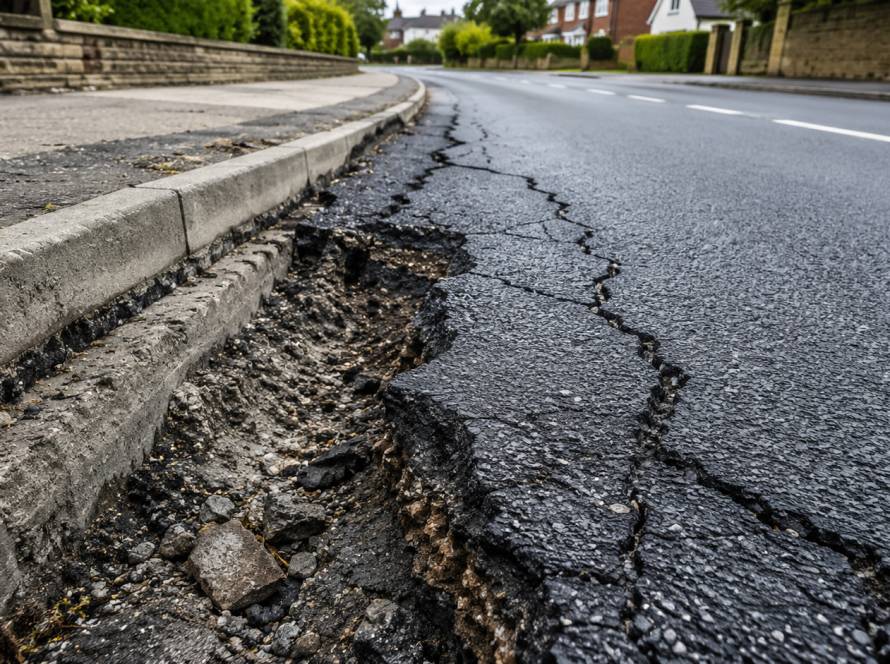
Effective drainage is one of the most important factors in the long-term performance of any surfaced road, yet it is often underestimated during planning stages. In the UK, where rainfall is frequent and weather conditions are variable throughout the year, managing surface water correctly is essential for preserving structural integrity and maintaining safety. Road surfacing drainage channels UK solutions are specifically designed to control how water moves across and away from finished surfaces, preventing moisture from weakening the underlying layers.
When water is allowed to sit on or beneath a surface, it can lead to accelerated wear, cracking, and eventual failure. This applies equally to commercial access roads, private lanes, industrial estates, and shared-use developments. Drainage channels act as a controlled pathway, guiding water to suitable outlets and preventing uncontrolled runoff that can damage both the road and surrounding areas.
Why Poor Drainage Leads to Surface Failure
Water is one of the most destructive forces affecting road surfaces. When drainage is poorly planned or incorrectly installed, water penetrates the surface and works its way into the sub-base. Over time, this reduces load-bearing capacity and causes movement within the structure. In colder conditions, trapped water can freeze and expand, leading to cracking and surface deformation.
Standing water also presents immediate safety risks. Pooled water reduces skid resistance and can obscure surface defects, increasing the likelihood of vehicle damage or accidents. For commercial sites, this can create liability concerns and operational disruption. By incorporating well-designed drainage channels into road surfacing projects, these risks can be significantly reduced while extending the usable lifespan of the surface.
Types of Drainage Channels Used in Road Surfacing
Drainage channels used in road surfacing are selected based on site conditions, expected traffic loads, and discharge requirements. Linear drainage channels are commonly installed along road edges or across access points to intercept surface water before it spreads across the carriageway. These channels are particularly effective in areas where water naturally flows downhill or towards buildings.
In heavier-duty environments, reinforced concrete or polymer channels are used to cope with higher loads and frequent vehicle movements. For lighter access roads or private developments, smaller profile systems may be sufficient, provided they are correctly positioned and connected to suitable outlets. The choice of channel must always align with the overall road design rather than being treated as an afterthought.
Integrating Drainage Channels into Road Design
Drainage channels must be considered during the early design stages of a road surfacing project. Retrofitting drainage after the surface has been laid is often more disruptive and costly than incorporating it from the outset. Channel placement, falls, and connection points all influence how effectively water is managed once the road is in use.
Gradients play a crucial role in directing water towards drainage channels. Even minor errors in levels can result in water bypassing the channel entirely, leading to localised pooling. Professional road surfacing contractors assess ground conditions and levels carefully to ensure that water flows predictably and efficiently towards designated drainage points without compromising surface smoothness.
Drainage Channels and Sub-Base Protection
One of the key functions of road surfacing drainage channels UK systems is protecting the sub-base. The sub-base provides structural support for the surface and distributes traffic loads into the ground below. When water infiltrates this layer, it weakens the structure and accelerates deterioration under repeated traffic stress.
Effective drainage channels reduce the amount of water that reaches the sub-base by removing surface water quickly. This is particularly important on access roads serving commercial or industrial sites, where heavy vehicles place significant strain on the surface. Proper drainage works hand in hand with high-quality sub-base installation to deliver a durable and reliable road.
Drainage Considerations for Commercial and Access Roads
Commercial access roads often experience higher traffic volumes and heavier loads than residential roads. Delivery vehicles, service trucks, and occasional plant movement all increase the importance of robust drainage solutions. Drainage channels in these environments must be designed to cope with both water flow and vehicle loading without cracking or displacement.
For sites requiring specialist solutions, professional commercial surfacing expertise ensures that drainage channels are integrated seamlessly with the surrounding surface. This approach minimises future maintenance requirements and reduces the risk of operational disruption caused by drainage-related failures.
Maintenance of Drainage Channels
Even the best-designed drainage channels require ongoing maintenance to remain effective. Debris such as leaves, silt, and general site waste can accumulate within channels and restrict water flow. Over time, this can lead to blockages that cause water to back up onto the road surface.
Regular inspection and cleaning form an essential part of surface maintenance plans. For commercial site managers, scheduled maintenance reduces the likelihood of unexpected drainage issues and prolongs the life of both the channels and the road surface. Addressing minor blockages early prevents more serious structural problems from developing.
Retrofitting Drainage Channels to Existing Roads
In some cases, drainage channels need to be added to existing road surfaces where water management was not originally considered or where site use has changed. Retrofitting requires careful planning to avoid compromising the integrity of the existing surface. Channels must be cut in accurately and reinstated to a high standard to prevent weak points forming along the installation line.
When retrofitting is carried out alongside resurfacing or repair works, it provides an opportunity to improve overall performance. Combining drainage upgrades with professional tarmac installation ensures that the new surface benefits from improved water management from day one.
Drainage and Compliance Considerations
Drainage design must also consider environmental and regulatory requirements. Surface water runoff may need to be directed to approved drainage systems rather than discharged freely into surrounding land. In some developments, sustainable drainage principles are applied to manage water responsibly while reducing pressure on local infrastructure.
Working with experienced contractors helps ensure that drainage channels are compliant with current standards and site-specific requirements. This reduces the risk of future remedial works and ensures that the road surfacing performs as intended throughout its service life.
Long-Term Benefits of Proper Drainage Channel Management
Investing in well-designed road surfacing drainage channels UK solutions delivers long-term value. By controlling water effectively, surfaces remain structurally sound for longer, maintenance costs are reduced, and safety is improved for all users. For property owners and site managers, this translates into fewer disruptions and a more predictable maintenance budget.
When drainage channels are integrated as part of a comprehensive surfacing solution, they contribute to a professional finish and reliable performance. This approach reflects best practice in modern road surfacing and supports the long-term functionality of access roads, estates, and commercial environments.
For sites requiring specialist surfacing solutions, integrating drainage channels alongside services such as machine lay tarmac or wider commercial road surfacing ensures a cohesive and durable result tailored to site demands.