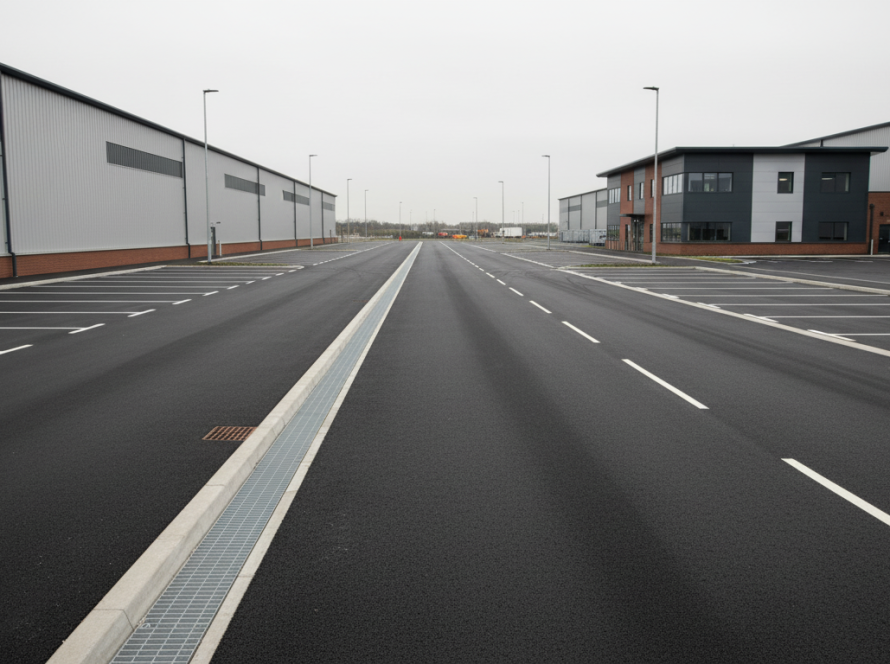
Road surfaces across the UK face a wide range of pressures, but none have a greater long-term impact than heavy traffic. From commercial lorries and delivery trucks to buses, tractors, and machinery used on industrial sites, the weight of these vehicles causes gradual but significant wear on even the strongest surfaces. Over time, the constant strain weakens the structure of the road, shortens its lifespan, and increases the likelihood of cracking, rutting, potholes, and other failures.
Understanding how heavy traffic affects a road’s long-term performance is essential for homeowners, businesses, and local authorities. When surfacing specialists incorporate stronger materials, better foundations, and modern installation methods, they can dramatically improve durability and reduce the need for frequent repairs. This blog explores why heavy traffic causes so much damage, the warning signs to look out for, and the techniques professional surfacing contractors use to counteract these pressures.
Why Heavy Traffic Causes Accelerated Wear
Every vehicle that travels over a road transfers weight through its wheels, but heavier vehicles exert far more force. A fully loaded lorry or bus doesn’t just place more weight on the surface; it pushes that weight deeper into the structure, affecting the layers beneath the tarmac. Roads are designed to handle regular use, but when a significant portion of traffic consists of heavy commercial vehicles, the surface begins to deteriorate much faster.
One of the primary reasons heavy traffic causes rapid wear is the pressure on the sub-base. The sub-base is meant to support the entire road, and when it compresses or shifts due to excessive weight, the top layers lose their support system. Even a small amount of movement in the sub-base can create surface cracks, which then allow water to penetrate. Once water finds a path into the structure, deterioration speeds up dramatically. This is why roads with high volumes of heavy vehicles often show signs of damage sooner than residential streets or private driveways.
Another major factor is the repeated stopping, turning, and slow movement common on busy roads and industrial sites. When a heavy vehicle slows down or accelerates, it places additional stress on the same areas repeatedly. This creates directional wear patterns, patchy cracking, and dips that eventually turn into deeper structural issues. Entrances, junctions, loading areas, and turning points are especially vulnerable because the forces applied are far greater than in normal straight-through traffic.
The Impact of Traffic Patterns and Load Distribution
Not all heavy traffic affects a road in the same way. A site with occasional lorry visits may remain stable for years, while a distribution centre or industrial yard may require much more robust surfacing due to constant movement. Load distribution also plays an important role. Vehicles with uneven weight, poorly balanced loads, or narrow wheels exert greater pressure on specific points. This can lead to impressions in the tarmac, also known as rutting, which worsen over time as more vehicles follow the same track.
Roads with constant pressure from large vehicles often show early cracking, surface deformation, and dips that fill with water. These defects tend to grow quickly, especially during the winter months. Once damage appears, it rarely remains localised. Heavy vehicles worsen the area rapidly, making early intervention essential.
How Weather and Traffic Combine to Damage Road Surfaces
While heavy traffic alone can wear down a road, the combination of traffic and UK weather conditions speeds up the deterioration process. Rainfall weakens the structure by allowing water to seep into the surface layers. When heavy vehicles pass over these weakened areas, they force water deeper into the sub-base. This cycle repeats every day and continues until larger structural damage appears.
During colder months, the freeze–thaw cycle becomes a major contributor to road failure. Water that enters cracks or minor gaps in the road freezes and expands. This expansion widens existing weaknesses and disrupts the internal structure of the tarmac. As temperatures rise again, the ice melts and the weakened area collapses under heavy traffic loads. When this cycle continues through the winter, potholes often form at a rapid pace.
The combination of heavy traffic and harsh weather is one of the biggest challenges for UK surfacing contractors. Roads exposed to both need stronger construction, better drainage, and consistent maintenance to remain in good condition.
Strengthening the Road Structure to Handle Heavy Loads
The good news is that modern surfacing contractors have a wide range of tools, materials and installation methods to extend the lifespan of roads exposed to heavy traffic. The first and most important step is to create a foundation capable of carrying substantial loads. This means using a higher-quality, well-compacted sub-base that distributes weight more evenly and prevents shifting. A strong foundation is essential for resisting surface deformation and ensuring the longevity of the structure.
The type of tarmac or asphalt used also makes a major difference. Heavier traffic requires stronger mixes with more durable aggregates and binding agents. These materials resist surface wear, hold their shape better under pressure and remain stable even in areas with constant turning or stopping. Industrial sites, commercial yards, and lorry routes often benefit from reinforced asphalt or thicker layers that can support greater loads.
Modern contractors also rely on temperature-controlled installation processes to ensure the surface bonds together correctly. Asphalt must be laid and compacted at the right temperature to form a solid, unified layer. If it cools too quickly, gaps and weak points form within the tarmac, making the road more vulnerable to heavy-vehicle damage. Professional teams use insulated transport and coordinated machinery to ensure the material stays at the correct temperature during installation.
Large or high-traffic sites often incorporate reinforced edges, geotextile membranes, and thicker asphalt layers to handle the added pressure from heavy vehicles. These enhancements significantly improve resistance to cracking and deformation, keeping the surface stable for far longer than a standard installation.
Managing Water to Prevent Structural Failures
One of the most effective ways to protect a road from heavy-vehicle damage is to keep water away from the structure. Even a perfectly built road will fail quickly if water is allowed to pool, seep into the surface or saturate the sub-base. This is why surfacing contractors prioritise effective drainage when designing long-lasting roads.
Proper drainage ensures that water flows away from the surface rather than gathering in dips or edges. A carefully shaped gradient can make a significant difference, redirecting rainwater before it becomes a problem. Larger sites, especially industrial yards or commercial car parks, often require engineered drainage solutions that collect and transport water safely away from the structure. By ensuring the surface stays dry, contractors reduce the combined impact of heavy traffic and weather, improving overall longevity.
Choosing the Right Surfacing Option for High-Load Areas
In some cases, alternative surfacing options may offer better performance under heavy loads. For example, resin-bound systems can be an effective choice for areas where durability and flexibility are key priorities. Resin surfaces are resistant to displacement, highly stable and able to maintain their structure even under substantial pressure. To learn more about resin-bound options and how they perform in demanding environments, you can visit this link:
Resin Driveways – Total Surfacing
Resin may not replace tarmac for large highways, but it offers excellent performance for commercial entrances, loading zones, driveways and areas where both appearance and strength matter.
Maintaining Roads to Prolong Their Lifespan
Even the best-constructed surface needs regular maintenance to stay in top condition. Heavy traffic exposes weak points quickly, so early repair is crucial. Addressing cracks, dips, or early signs of surface wear prevents larger failures from forming. Consistent maintenance helps avoid the expensive and disruptive process of full resurfacing and keeps roads performing well throughout the year.
Final Thoughts
Heavy traffic is one of the most demanding challenges a road surface can face, but with the right construction, materials and maintenance, its impact can be controlled. Strong foundations, reinforced materials, effective drainage and timely repairs all play a vital role in extending surface lifespan. By understanding how traffic affects road performance, property owners and businesses can make smarter decisions and invest in the long-term stability of their surfacing.