Potholes are more than just minor annoyances on UK roads; they pose serious safety risks, damage vehicles, and reflect poorly on local infrastructure management. Whether you’re a local authority responsible for road upkeep or a homeowner concerned about nearby road conditions, understanding pothole repairs in the UK is essential.
In this comprehensive guide, we’ll explore what potholes are, why they form, the dangers they present, how repairs are carried out, and what you can do to help prevent them. We’ll also highlight how professional surfacing services ensure long-lasting solutions.
What Are Potholes?
A pothole is a type of road surface defect characterised by a hole or depression in the surface of the carriageway. These typically form when water enters cracks in the road, freezes, and expands. Over time, this freeze-thaw cycle causes the surface to weaken and break apart, especially under the repeated weight of vehicles.
How Potholes Form
The primary causes of potholes in the UK include:
- Weather cycles – The UK’s wet, cold winters contribute to water infiltration and repeated freeze-thaw cycles.
- Poor drainage – Water that doesn’t drain effectively sits on or under the surface, weakening the substructure.
- Heavy traffic – Roads with high volumes of traffic, especially heavy goods vehicles, undergo faster deterioration.
- Substandard materials or repairs – Previous repairs that weren’t completed to a high standard can fail prematurely.
Why Potholes Matter
Potholes aren’t just cosmetic issues. They bring real dangers and costs:
1. Safety Risks
Potholes can cause loss of vehicle control, leading to accidents. Cyclists and motorcyclists are especially vulnerable, as hitting a pothole can easily result in a crash.
2. Vehicle Damage
Drivers may experience tyre punctures, wheel damage, suspension issues, and more, all because of deep or sharp-edged potholes.
3. Economic Impact
Potholes contribute to increased repair costs for drivers and impose financial burdens on local councils responsible for road maintenance.
4. Public Perception
Poor road conditions can affect public confidence in local infrastructure management and reduce the appeal of commercial or residential areas.
How Pothole Repairs Are Carried Out in the UK
There are several methods used to repair potholes, ranging from temporary fixes to permanent surface restoration. The approach chosen often depends on the size of the pothole, weather conditions, and the available budget.
Temporary Pothole Repairs
These are quick fixes used to make roads safe until a full repair can be completed.
- Cold lay asphalt – Delivered in a ready-to-use form, cold lay asphalt can be placed directly into the pothole and compacted. While convenient, it’s less durable than hot mix solutions.
- Tack coats and temporary fillers – Used to reduce water ingress and make the surface safer in the short term.
Temporary repairs are generally used by local authorities when demand for permanent resurfacing is high or during colder months when hot asphalt isn’t practical.
Permanent Pothole Repairs
Permanent repairs aim to remove the damaged material and replace it with new, compacted material that restores structural integrity.
The process typically involves:
- Site Assessment – The area is inspected to measure the size and depth of the pothole.
- Cutting Back – A square or rectangular section around the pothole is cut back to remove all weakened surface material.
- Cleaning and Preparation – Debris, dust, and moisture are removed to ensure good adhesion.
- Applying a Tack Coat – A bonding agent is applied to the base to help the new asphalt adhere.
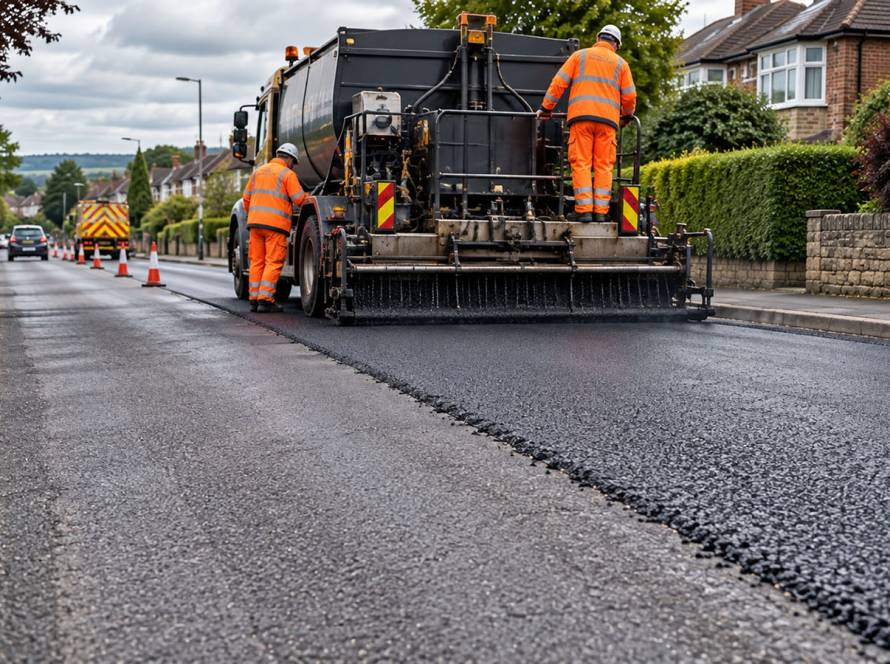
- Filling with Hot Asphalt – High-quality hot mix asphalt is laid in layers and compacted.
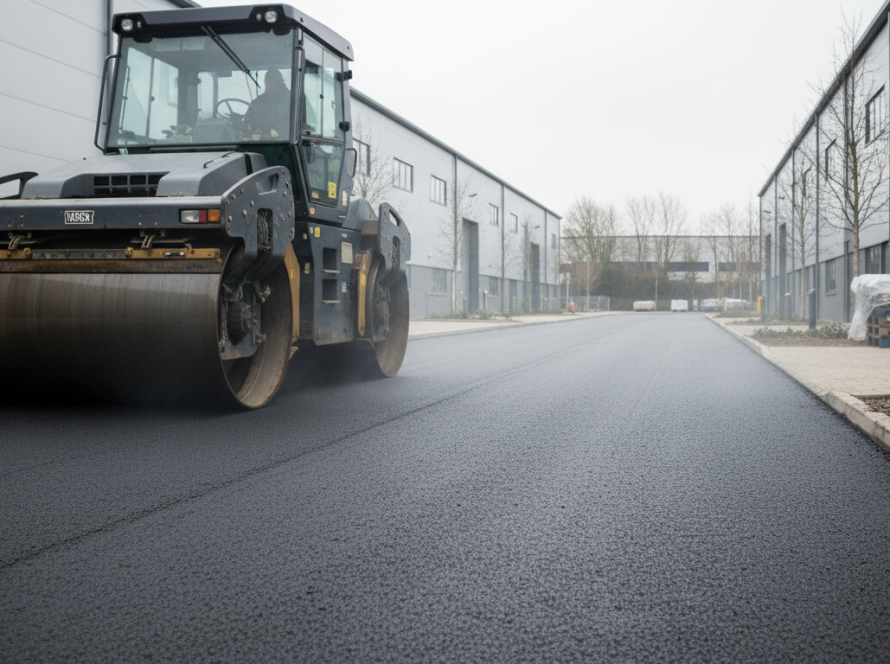
- Compaction – Heavy rollers or plate compactors ensure the surface is level and durable.
Permanent repairs provide a reliable solution that extends the life of the road and reduces future maintenance costs.
Choosing Professional Road Surfacing Services
If you’re responsible for road maintenance, partnering with a professional surfacing contractor ensures that pothole repairs are completed efficiently and to a high standard. Professional teams have the expertise, machinery, and materials needed to deliver long-lasting results.
For a full range of surfacing services, including pothole repair, road resurfacing, and maintenance solutions, visit Total Surfacing Services here: https://totalsurfacing.co.uk/our-services/
This internal link will take you to an overview of services designed to improve road surfaces and prevent recurring issues.
The Role of Local Authorities
Local councils in the UK have a statutory duty to maintain public roads to a reasonable standard. This includes:
- Regular inspections of road conditions.
- Responding to pothole reports from the public.
- Prioritising repairs based on severity and location.
If you notice a pothole that poses a danger, you should report it to your local authority. Many councils offer online reporting tools and maps to track outstanding repairs.
How You Can Help Prevent Potholes
While weather and traffic conditions are beyond individual control, there are steps communities and drivers can take to reduce the frequency and severity of potholes.
Report Issues Promptly
If you see a pothole forming, report it to the local council as soon as possible. Early intervention can prevent it from worsening.
Avoid Standing Water
Water that sits on road surfaces accelerates damage. Reporting drainage issues can help prevent water build-up.
Drive Responsibly
Sudden braking and accelerating over damaged surfaces exacerbate pothole growth. Slowing down and navigating damaged sections carefully can limit further degradation.
Support Proactive Maintenance
Encourage local authorities to invest in proactive surfacing strategies, such as sealing small cracks before they expand into potholes.
Common Misconceptions About Pothole Repairs
“Potholes Go Away on Their Own”
Unfortunately, potholes will not heal without intervention. In fact, they generally expand over time, especially during winter.
“Temporary Repairs Are Just as Good as Permanent Ones”
Temporary repairs serve a purpose, but they are not a substitute for proper, permanent solutions that restore the road’s structural integrity.
“Only Rural Roads Get Potholes”
Urban and rural roads alike are susceptible. High traffic volumes, poor drainage, and freeze-thaw weather conditions affect all types of surfaces.
Understanding Repair Costs
The cost of pothole repair varies depending on:
- Size and depth of the pothole
- Accessibility and traffic management needs
- Choice of materials (cold lay vs hot mix)
- Whether the repair is temporary or permanent
While permanent repairs involve a higher upfront cost, they often prove more cost-effective over time by reducing repeat maintenance.
Case Studies: Successful Pothole Repairs
Local Council Initiative
A UK council identified a stretch of road with frequent pothole complaints. By investing in full resurfacing rather than repeated patching, they achieved:
- Fewer complaints
- Reduced long-term maintenance costs
- Improved driver satisfaction
Commercial Property Access Roads
A business park with degraded access routes commissioned professional surfacing services. After cutting out damaged sections and laying new asphalt, the results included:
- Smoother traffic flow
- Reduced vehicle wear and tear
- Enhanced professional appearance
These examples demonstrate how thoughtful investment in road surface repair can have wide-ranging benefits.
Conclusion
Pothole repairs are critical to safety, road longevity, and community satisfaction. Understanding how potholes form, why timely repairs matter, and how professional surfacing services can deliver durable results empowers you to make informed decisions about road maintenance.
For comprehensive surfacing solutions tailored to your needs, including pothole repairs and preventative maintenance, check out our services.
By taking proactive steps and partnering with experienced professionals, it’s possible to reduce potholes, improve road conditions, and enhance the overall travel experience throughout the UK.