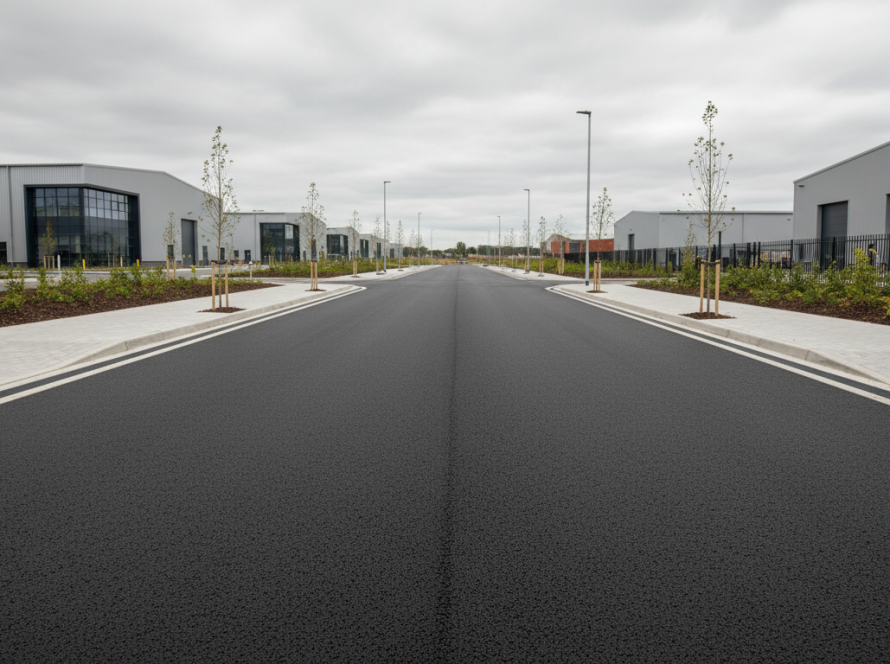
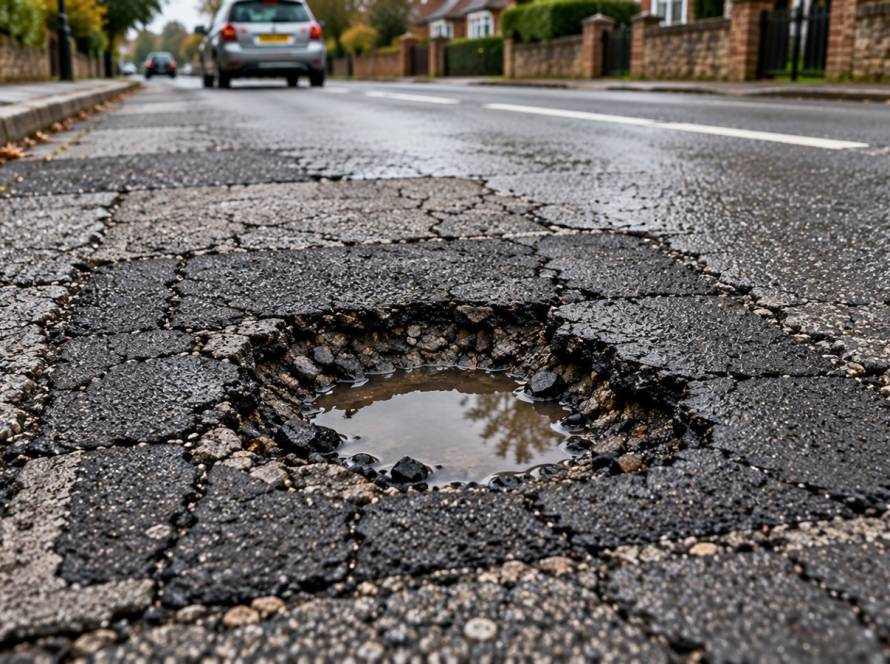
The driveway industry in the UK is changing fast. Homeowners are no longer choosing surfaces based only on appearance or cost—they’re now looking for materials that are durable, low-maintenance, environmentally responsible, and built for the long term. This shift is being driven by new government regulations, drainage laws, rising sustainability awareness, and the simple fact that modern materials perform far better than traditional options.
The future of UK driveways is a blend of smart engineering and sustainable design. In this article, we explore the materials, technologies, and installation methods shaping the next generation of driveway solutions—and why now is the perfect time to rethink what a modern driveway should be.
Why Sustainable Driveways Are Becoming More Popular
Homeowners today want outdoor spaces that last longer, require less upkeep, and support the environment rather than burden it. Traditional surfaces like plain concrete or old asphalt often lack proper permeability, fade quickly, crack under temperature swings, and do little to support modern drainage requirements.
At the same time, extreme weather has become more frequent in the UK. Heavy rainfall and flooding have pushed local councils to enforce stricter rules around water runoff. This has encouraged homeowners to explore surfaces that naturally handle water more efficiently.
Alongside regulations, personal lifestyle choices play a role too. People want homes that reflect their values, and sustainability is now an important factor in property improvement decisions.
Permeable Surfaces: A Smart Solution for Drainage
A major innovation shaping the future of driveways is the rise of permeable materials. These surfaces allow rainwater to pass through instead of pooling on top or flowing into the street. With better drainage comes reduced risk of flooding, less standing water, improved safety, and protection for nearby structures.
Permeable surfaces are especially useful for modern estates, densely built areas, and properties with limited space for drainage channels. They minimise runoff while still offering a clean, durable finish.
This new standard aligns with Sustainable Drainage Systems (SuDS) guidelines, which are increasingly recommended across the UK.
Eco-Friendly Materials and Recycled Aggregates
One of the biggest changes in driveway construction is the shift toward recycled materials. Many modern surfaces now incorporate recycled stones, glass, plastics, and rubber fragments to reduce environmental impact while still delivering high performance.
Rubber-modified tarmac, for example, uses recycled tyre crumb mixed into the asphalt, creating a more flexible and vibration-absorbing surface. This reduces cracking, improves longevity, and helps repurpose materials that would otherwise end up in landfill.
Recycled aggregates used in sub-bases also reduce the need for quarry extraction, making driveway installation more sustainable from the ground up.
Polymer-Enhanced Surfacing for Longevity
Longevity is a major part of sustainability. A driveway that lasts twice as long produces far less environmental impact over its lifespan.
Polymer-modified surfaces are engineered to achieve exactly that. By using enhanced binders and advanced resins, these materials offer better resistance to harsh weather conditions, UV exposure, vehicle pressure, and long-term wear.
The result is a more durable surface with improved flexibility and a significantly longer lifespan, meaning fewer repairs, fewer replacements, and a smarter investment for homeowners.
Smart-Heating Driveways: The Next Level of Innovation
Although still emerging in the UK, heated driveways are becoming a serious option for modern properties. These systems use embedded heating cables to melt snow and ice automatically, keeping driveways usable without the need for salt or chemicals.
By eliminating chemical de-icers and reducing freeze–thaw cycles, heated driveways help protect the environment and extend the life of the surface. They also provide unmatched convenience during winter.
While not yet widespread, these systems point to the future of high-end, sustainable driveway design in the UK.
Modern Aesthetic Trends Focused on Nature & Simplicity
Sustainable driveways are not only functional—they also support modern outdoor design trends. Many homeowners now prefer natural finishes, earth-toned materials, and clean minimalist layouts.
Resin bound driveways, for example, offer natural stone colour blends that blend seamlessly with landscaped gardens. Permeable pavers, recycled materials, and textured aggregates also support a more natural, eco-friendly aesthetic.
As sustainability becomes more mainstream, driveway design increasingly reflects an appreciation for nature and subtle, long-lasting beauty.
How Sustainable Driveways Improve Long-Term Value
Choosing a modern, eco-focused driveway does more than protect the environment—it also improves the overall value of a property. Homes with permeable surfaces, upgraded drainage, or innovative materials stand out to buyers looking for low-maintenance, durable outdoor spaces.
A sustainable driveway offers advantages such as:
- fewer repairs over time
- improved appearance
- better safety
- reduced risk of flooding or drainage issues
- longer surface lifespan
Homeowners increasingly see outdoor infrastructure as a long-term asset, not just a cosmetic upgrade.
When to Choose a Sustainable Driveway Upgrade
Upgrading is worth considering if your current driveway shows signs of wear such as cracking, sinking, fading patches, or drainage issues. Any driveway that regularly pools water or struggles during heavy rain is a strong candidate for a permeable or polymer-enhanced replacement.
Properties undergoing renovation, landscaping work, or energy-efficiency upgrades also benefit from updating the driveway at the same time.
Modern materials perform better, look cleaner, and require far less maintenance than older surfaces—making the switch a smart long-term decision.
Why Professional Installation Makes a Big Difference
Even the best sustainable materials won’t perform as intended without expert installation. Proper preparation of the sub-base, correct mix temperatures, high-quality aggregates, and accurate compaction all determine how long the driveway will last.
Sustainable driveway systems often require specialist equipment and trained installers, especially when dealing with permeable surfaces or advanced binders.
Working with an experienced contractor ensures the surface performs exactly as designed and provides full long-term value.
If you’re considering a sustainable driveway upgrade, professional advice is the best starting point.
Their team can guide you on the most suitable eco-friendly materials and modern surfacing technologies for your home.
Final Thoughts
The future of UK driveways is all about durability, sustainability, and smart engineering. With permeable surfaces, recycled materials, polymer-enhanced binders, and new technologies emerging each year, homeowners now have more choices than ever before.
A sustainable driveway not only protects the environment—it elevates your home, reduces maintenance, and delivers long-lasting performance built for the modern world.